The Power of Labels: How Organizing Supplies Can Transform Your Cleaning Routine
The Importance of Organizing Your Cleaning Supplies
Organizing your cleaning supplies can be a game-changer in maintaining a tidy home. The simple act of labeling can enhance efficiency and streamline your cleaning routine. But how does this seemingly minor step create such a significant impact? Inadequate organization can often lead to wasted time, increased frustration, and even a reluctance to clean altogether.
Consider the following benefits of using labels:
- Increased Efficiency: Knowing where items are stored saves time searching. Picture this: you’re about to tackle stubborn kitchen grime, but instead of diving into the task, you spend precious minutes rummaging through cabinets, only to find the all-purpose cleaner buried beneath a mountain of half-used bottles and rags. Having clear labels allows you to quickly grab exactly what you need, transforming your cleaning time into a focused, productive session.
- Enhanced Motivation: A well-organized space encourages consistent cleaning habits. Walking into a supply area that is neatly arranged and labeled can spark a sense of pride and motivation. For instance, a bright and labeled caddy filled with all your essential tools—such as sponges, brushes, and eco-friendly detergents—can inspire you to clean regularly rather than letting tasks pile up.
- Improved Accessibility: Labels make it easy for everyone in the household to find and return items to their proper places. Suppose you have children or other family members who also need to pitch in during cleaning time. With a clearly labeled system in place, they can easily locate a broom, dustpan, or window cleaner without needing to ask for assistance, promoting a team effort in keeping the home tidy.
Moreover, organizing cleaning supplies not only contributes to a more functional space but also promotes a sense of calm. Research has shown that a clutter-free environment can help alleviate stress and enhance your overall well-being. The right labels transform chaos into order, making cleaning feel less like a chore.
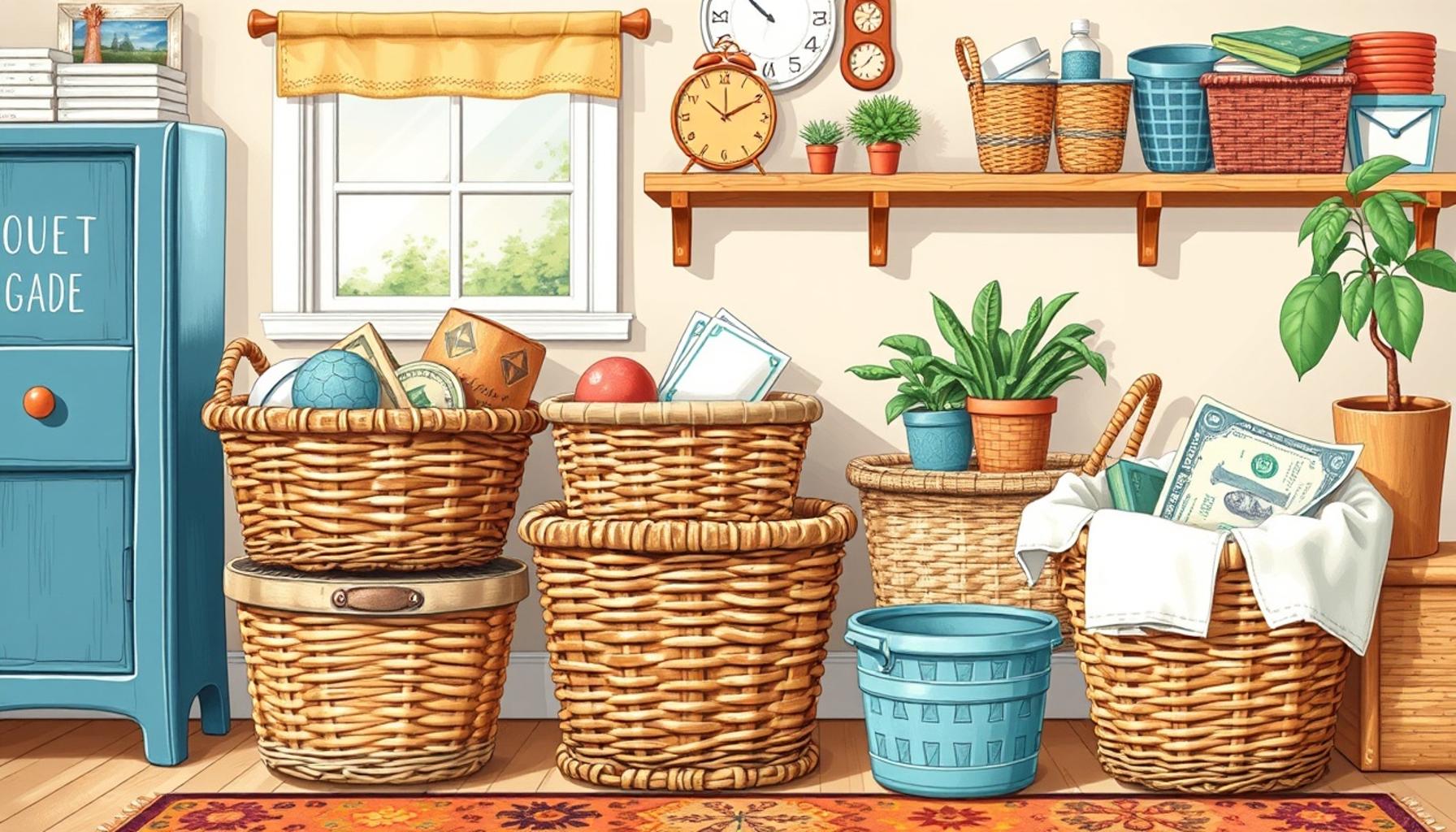
Imagine stepping into a laundry room where everything is clearly labeled, from detergents to softeners, each stored in a designated basket. This awareness of your space can significantly boost your mood and create a pleasant atmosphere conducive to productivity.
This article will explore how effective labeling can empower you to take control of your cleaning routine. From simple DIY solutions using label makers to clever organizational systems involving clear bins or even a simple pen and masking tape for labels, discover how small changes can lead to significant results. The journey to a cleaner home starts with understanding the transformative power of labels.
Join us as we delve deeper into practical strategies, inspiring examples, and expert tips that will help you not only organize your cleaning supplies but also cultivate an inviting and efficient space that encourages a healthier lifestyle. With the right tools and a clear vision, maintaining your home can become a satisfying and even enjoyable task.
DISCOVER MORE: Click here for creative organizing tips
Unlocking the Benefits of a Well-Organized Cleaning Supply Area
Whether you dread cleaning or thrive on it, the organization of your cleaning supplies can have an undeniable impact on your approach. Many people find themselves overwhelmed by the sheer volume of products they’ve accumulated over time. This clutter not only creates confusion but also deters individuals from maintaining cleanliness in their homes. Embracing the power of labels can transform a chaotic cleaning arsenal into a streamlined, efficient system.
So, what does it mean to truly organize your cleaning supplies? It begins with a strategy that incorporates thoughtful categorization and labeling. Here are several benefits to consider:
- Time-Saving Organization: With everything clearly labeled, you’ll save valuable minutes during each cleaning session. Imagine a laundry room where every detergent, fabric softener, and stain remover is not only visible but also clearly marked. Being able to quickly access what you need can make the difference between tackling chores with ease or experiencing the frustration of a disorganized space.
- Enhanced Focus and Productivity: A systematic arrangement encourages a focused approach. Instead of jumping from one task to another in search of supplies, a labeled system fosters a sense of direction. When cleaning supplies are organized by type or use—counter cleaners in one area, glass cleaners in another—you are less likely to feel aimless and more likely to complete tasks efficiently.
- Customized Systems for Unique Needs: Personalized labeling can cater to specific household requirements. For example, a family with pets may benefit from keeping pet-friendly products visible and easily accessible, such as specialized pet cleaners or odor neutralizers. Tailoring labels to your lifestyle enhances not only organization but also satisfaction in maintaining cleanliness.
- Encouragement of Routine Maintenance: With a clear view of your supplies, regular inventory checks become simple, allowing you to replenish items before they run out. A system that includes labels indicating the last purchase date or the expiration of products can save you from unfortunate surprises, like discovering you’re out of crucial supplies right before a scheduled cleaning day.
Another intriguing benefit of an organized cleaning supply area is its effect on mental clarity. Researchers have shown that clutter can create a sense of chaos that can lead to increased anxiety and decreased productivity. On the other hand, a neat and labeled space can promote a sense of calm. When your cleaning area is organized, it not only reflects a physical order but can also instill a sense of peace in your mind.
To highlight this effect, consider the emotional boost you feel when walking into a tidy supply cabinet. Each happy item—safely placed, thoughtfully labeled—serves as a reminder of your commitment to cleanliness. The sense of achievement felt from organizing your supplies can transform mundane tasks into rewarding experiences.
The next section will delve deeper into practical steps to implement your labeling system effectively, demystifying common approaches, and providing sound advice on how to make your cleaning routine a truly actionable and satisfying venture.
The Power of Labels: How Organizing Supplies Can Transform Your Cleaning Routine
In the fast-paced world we live in, maintaining a clean and organized space can feel like an uphill battle. However, labeling can be the secret weapon you never knew you needed. It can significantly enhance efficiency, streamline your cleaning routine, and reduce stress.
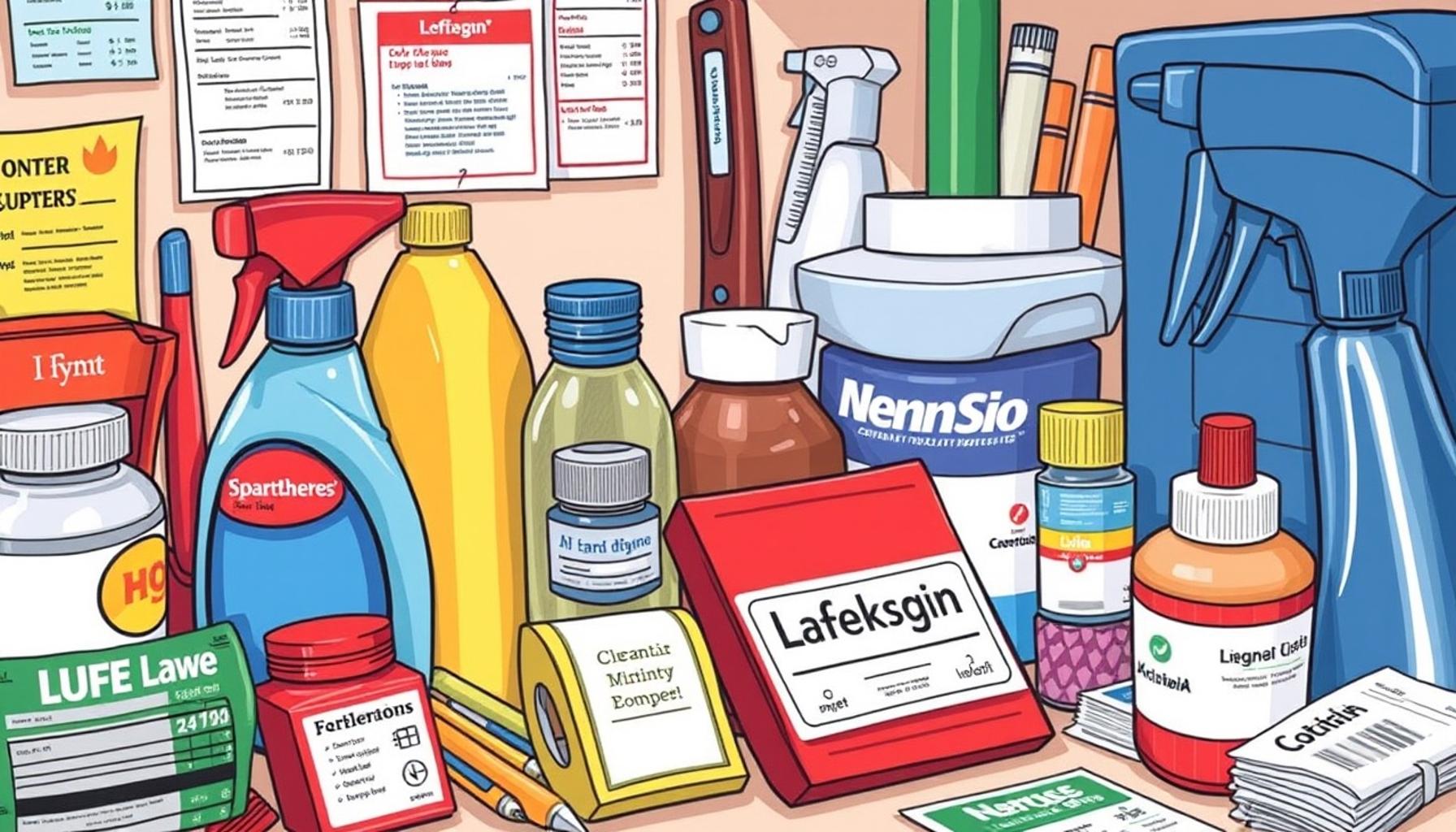
When you implement a labeling system, it fosters a heightened awareness of the items you have on hand. This knowledge prevents unnecessary purchases, saving you both time and money. With clearly marked supplies, you can quickly locate what you need without sifting through clutter. Imagine walking into a cleaning supply cupboard where every bottle and tool has a designated label. Not only does this boost productivity, but it can also transform the way you approach cleaning tasks.
| Advantages | Benefits |
|---|---|
| Enhanced Efficiency | Quick access to supplies saves time during cleaning sessions. |
| Reduced Stress | An organized space promotes a calming environment, enabling focus. |
Moreover, using labels invites creativity and personal expression into your cleaning routine. Choose colors, fonts, and visuals that resonate with you, making the process enjoyable. The psychological impact of a well-organized space, enhanced by attractive labeling, can inspire ongoing maintenance.
In essence, embracing the power of labels can make your cleaning routine not only more effective but also more enjoyable. With organized supplies at your fingertips, maintaining cleanliness becomes less of a chore and more of a lifestyle choice.
DISCOVER MORE: Click here for tips on organizing your cleaning tools
Practical Steps to Implement an Effective Labeling System
With a grasp on the myriad benefits that come from organizing cleaning supplies, the next step is applying that knowledge to create a practical labeling system that fits your home. Planning and execution can feel overwhelming, but breaking it down into manageable steps makes the process both approachable and rewarding. Here are some strategies that can help you establish an efficient labeled cleaning supply area:
- Assess Your Current Supplies: Begin by taking stock of what you already have. Go through your cleaning cabinet, closets, or any locations where supplies tend to accumulate. Create categories such as “kitchen cleaners,” “bathroom supplies,” or “laundry detergents.” This initial inventory not only helps determine what you need but also identifies duplicates or items that can be discarded.
- Select Appropriate Labels: Choose a labeling method that works best for you. Options range from simple handwritten labels to more sophisticated printed options using a label maker. Regardless of the method, ensure that they are clear and easy to read. Using color-coded labels can provide a quick visual cue for each category, allowing for an even more time-efficient experience.
- Utilize Containers and Bins: Consider using clear bins or containers to house categorized items. Using bins for cleaning supplies can prevent spills and make identifying products easy. By labeling the bins themselves, you create a streamlined storage solution that keeps everything organized. For instance, have a bin labeled “Eco-Friendly Cleaners” to consolidate all green products.
- Designate a Cleaning Zone: Establishing a dedicated area for cleaning supplies can facilitate organization. Designate a specific shelf in a pantry, cabinet, or closet as your cleaning zone. This cuts down on the wander time often spent searching different areas for cleaning products—ultimately enhancing your cleaning experience.
- Implement Regular Maintenance: A labeled system is only beneficial if it’s maintained regularly. Commit to a monthly inventory check, where you can reassess your supplies, replace labels as needed, and discard empty or expired products. This will keep your cleaning routine efficient, as you will always have the necessary tools at your fingertips.
Innovative labeling solutions have also become more accessible with advancements in technology. Printable QR codes can be integrated into your labeling, directing you to instructional videos or recommendations for specific products. Not only do these codes allow for more interactivity, but they create a repository of knowledge about cleaning techniques and tutorials, pushing you to explore the products you own deeply.
Another remarkable aspect to explore is the world of DIY cleaning products, facilitating both organization and sustainability. As many households are moving towards eco-friendly alternatives, it’s beneficial to not only label traditional supplies but also homemade solutions. By labeling these products clearly, you can keep track of ingredients and uses, while also harnessing the energizing feeling that comes with creating your own cleaning remedies.
By following these practical steps and leveraging the full power of labels, you position yourself for a cleaner, simpler, and more productive living environment. As you tailor your organizational efforts to your specific needs, remember: each label acts as a small yet powerful reminder of the commitment you have to maintaining your space efficiently and effectively.
DISCOVER MORE: Click here to learn how to create a cleaning schedule that fits your family
Conclusion: Embracing the Transformative Power of Labels
In conclusion, the journey toward an efficient cleaning routine begins with a simple yet powerful tool: labels. By categorizing and organizing your cleaning supplies, you not only streamline the cleaning process but also foster a sense of ownership and efficiency within your home. The art of labeling can significantly reduce stress, save precious time, and enhance productivity, making cleaning tasks feel less daunting and more manageable.
As you explore the impact that a well-organized cleaning system can have on your life, consider the wider implications of this practice. The clear benefits of enhanced organization, reduced clutter, and improved accessibility highlight how the power of labels extends beyond mere aesthetics—creating a harmonious living space that contributes to overall well-being. Imagine transforming your cleaning routine into a seamless operation, where each item has its designated place and is easily retrievable, turning a chore into a more enjoyable experience.
By investing a little time and creativity into designing your own labeling system, whether through DIY methods or modern technological innovations like QR codes, you cultivate an environment that promotes not just cleanliness but sustainability and mindfulness in your approach to home care. This commitment to organization ultimately empowers you to take control of your surroundings, enhancing not only the atmosphere of your home but also your mental clarity.
So, as you embark on this organizing journey, remember: each label holds the power to transform not just your cleaning supplies, but your entire routine, paving the way for a more ordered and inviting home life.

Linda Carter
Linda Carter is a writer specializing in efficient house cleaning and maintenance. With extensive experience helping readers keep their homes clean, organized, and well cared for, Linda shares practical guidance on cleaning routines, household upkeep, stain removal, and time-saving methods. Her goal is to provide simple tips and effective strategies that make home care easier, faster, and more manageable.