Maximizing Small Spaces: Organizing Tips for Efficient House Cleaning
Transform Your Small Space with Smart Organization
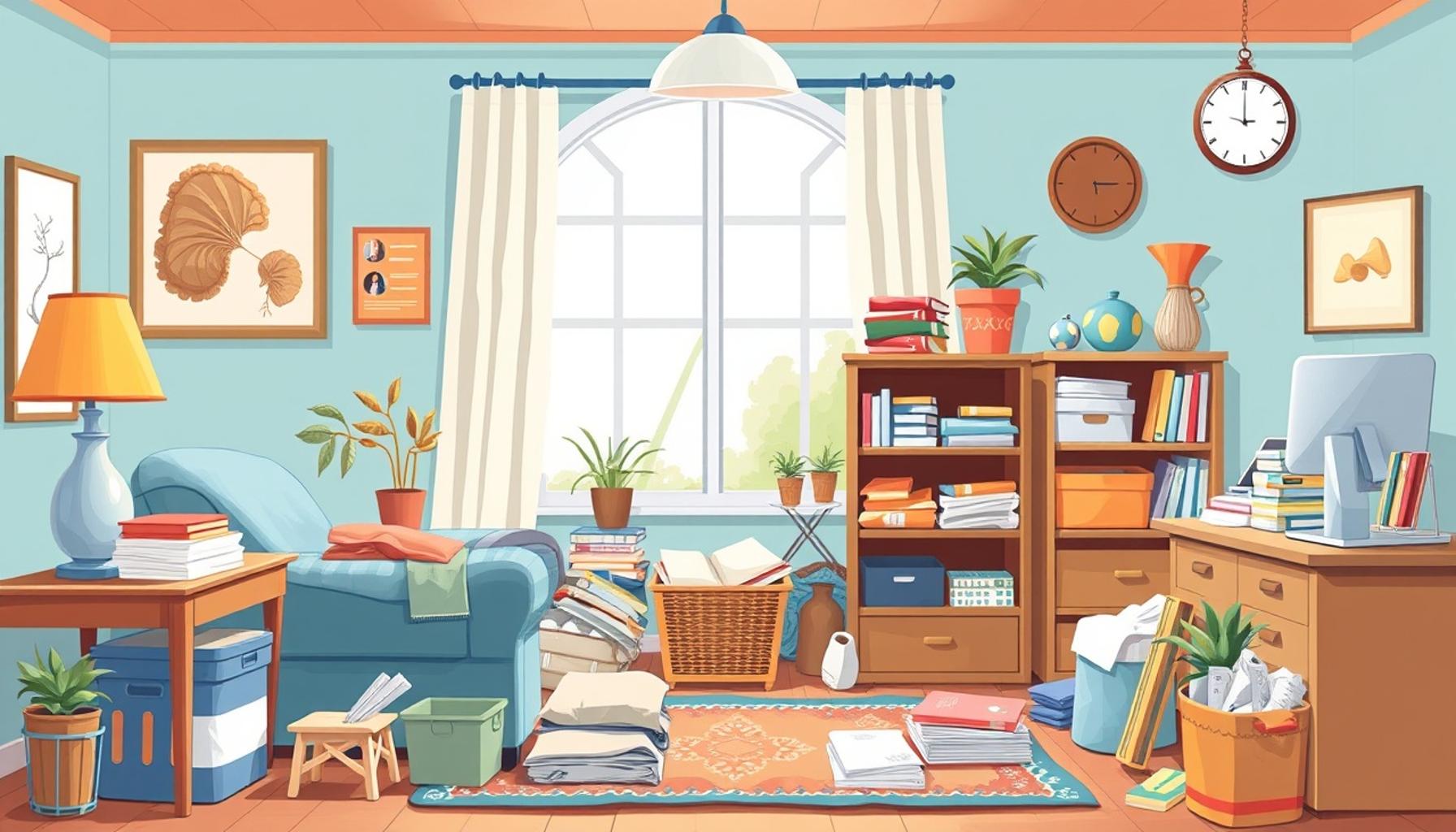
Living in small spaces can be both a challenge and an opportunity. Maximizing such areas is not just about fitting furniture and belongings; it’s about creating an environment that feels spacious, functional, and welcoming. Implementing effective organizing strategies can truly revolutionize small living situations, transforming them into functional, clutter-free zones that enhance your lifestyle.
Vertical Storage: Making Use of Walls
Vertical storage is an essential principle when it comes to small spaces. By utilizing walls, you can free up valuable floor space. For example, consider installing floating shelves in your living room or kitchen. These not only provide storage for books, plants, or kitchenware but also can serve as decorative elements that add personality to your space. Wall-mounted hooks can be used for hanging coats, bags, or even kitchen utensils, keeping them within reach and decluttering surfaces.
Multi-functional Furniture: A Smart Investment
Investing in multi-functional furniture can make a significant difference in small homes. Pieces that serve more than one purpose can save space and add versatility. For instance, a sofa bed can be an exquisite seating area by day and transform into a comfortable sleeping space at night, perfect for guests. Similarly, an ottoman that doubles as a storage unit can hold spare blankets or board games while providing additional seating. Look for coffee tables with built-in storage or extendable dining tables that accommodate guests when necessary.
Declutter Regularly: The Key to Maintenance
One of the most effective ways to maintain an organized small space is to declutter regularly. Make it a routine to go through your belongings every few months. Ask yourself which items you truly need and use. Consider donating or discarding items that no longer serve a purpose in your life. Not only does this practice promote minimalism, but it also ensures that your living space is inviting and peaceful. For example, if you haven’t used a kitchen gadget in over a year, it’s time to let it go.
Beyond Cleaning: Enhancing Your Living Experience
The right approach to organization not only simplifies cleaning but also enhances the overall living experience. Research indicates that organized spaces can reduce stress and boost productivity, making it essential to curate your environment thoughtfully. Unique techniques like maxing out closet space with clever organizers can allow you to fit more items efficiently. Explore solutions such as under-bed storage boxes or over-the-door organizers to reclaim areas often overlooked.
By implementing these strategies, you may discover that maintaining a clean and organized home is not only feasible but can also be enjoyable. Embrace the charm of small living and unlock space and serenity, allowing you to focus on what truly matters in your life.
Stay tuned for more efficient house cleaning insights and creative storage solutions tailored to help you make the most of your small living situation. With a little ingenuity and effort, you’ll find that your limited space can become an oasis of comfort and organization.
DISCOVER MORE: Click here to learn how ergonomics can improve your cleaning routine</p
Creative Considerations: Organizing Your Small Spaces
When it comes to organizing small spaces, creativity and functionality are key components that can significantly enhance both the aesthetic and practicality of your home. Here, we’ll explore essential tips that will not just help you clean but also intelligently organize your small living areas.
Utilizing Every Nook and Cranny
In small spaces, it’s essential to recognize that every nook and cranny offers potential storage opportunities. Consider areas that typically go underutilized, such as:
- Corner spaces: Use corner shelves to maximize storage capacity and turn an otherwise empty area into a functional space.
- Under-stair storage: If your home has stairs, use the space below for bookshelves or built-in drawers designed to hold miscellaneous items.
- High shelves: Install shelves up high in rooms like kitchens or bathrooms to use ceiling height to your advantage. A step stool will make accessing items stored away easy.
- Back of doors: Utilize the back of doors for hanging additional items such as cleaning supplies, shoes, or accessories with over-the-door racks.
Implementing Smart Labeling Systems
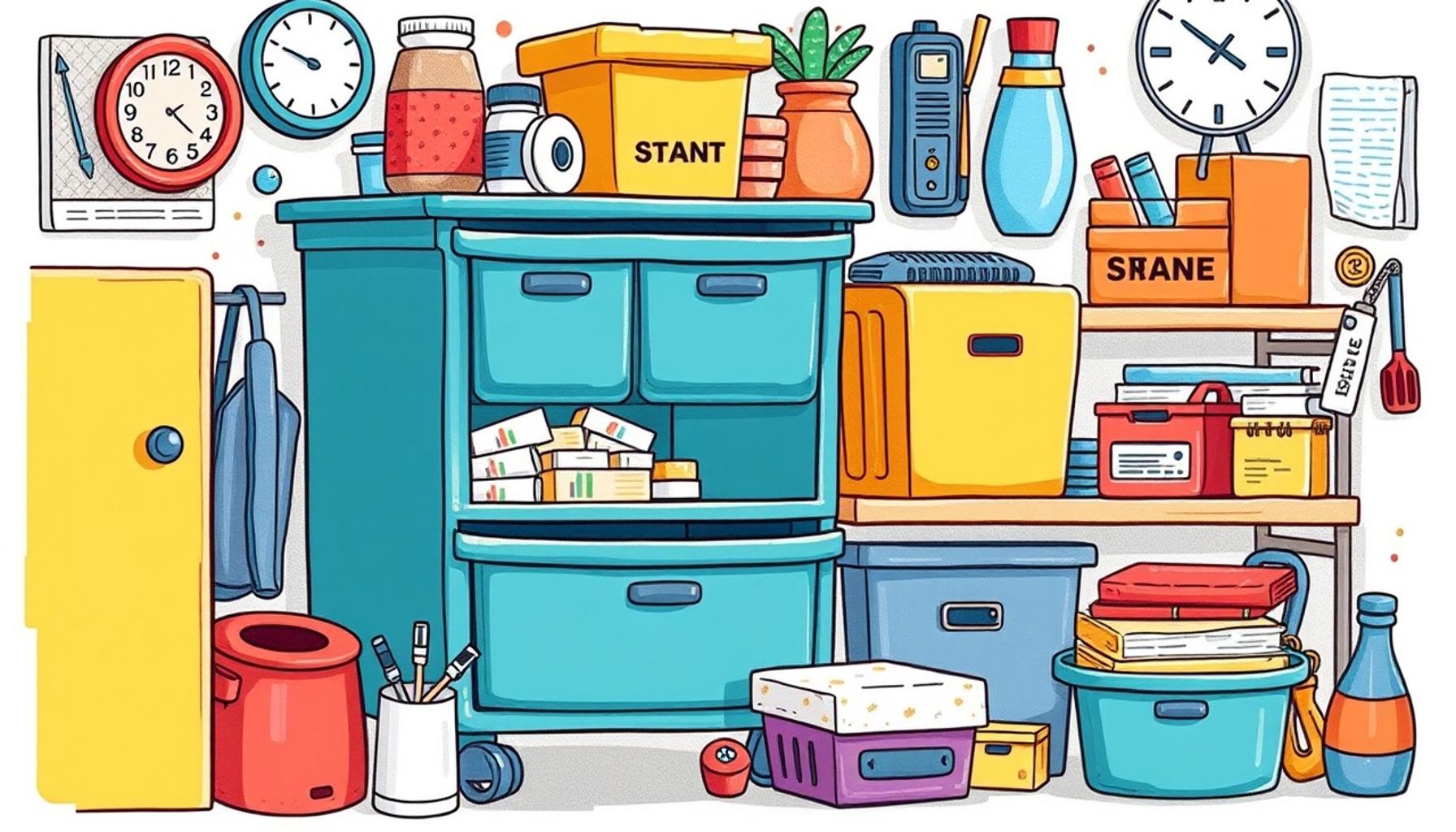
Another critical aspect of organization is the implementation of a smart labeling system. Labeling boxes, bins, and drawers not only creates ease of access but also ensures everything has a designated place. Here are some effective tracing methods:
- Clear bins: Opt for transparent containers that let you see contents at a glance, reducing the time spent searching for items.
- Label makers: Invest in a label maker to create uniform labels; this introduces a sense of order and tidiness to your storage.
- Color-coded systems: Use colors to categorize items based on their type—kitchen supplies in one color, office materials in another—making organization visually intuitive.
Maintain a Seasonal Rotation
Another effective organizing tip involves a seasonal rotation strategy. This approach works particularly well for clothing, sports equipment, and decor. By storing items out-of-season, you can free up valuable space for the essentials you need to access daily. Invest in vacuum-sealed bags for clothing or stackable boxes to optimize storage. For instance, if it’s fall, store your summer clothes in vacuum bags and switch them out when spring arrives.
When transforming your small space, remember that every item should serve a purpose, and careful planning can lead to a harmonious and functional living area. Consider the emotional and practical benefits of a well-organized space, as it not only promotes efficiency in house cleaning but also cultivates a calm, inviting atmosphere.
The Road Ahead: Making the Most of Your Space
As you implement these organizing tips, keep tuning in for additional insights into effective house cleaning practices, innovative storage solutions, and more. Small spaces shouldn’t feel cramped; instead, they can reflect your personal style while remaining efficiently organized. Embrace the challenge of small living, and you’ll find comfort and creativity thriving within your compact abode.
Maximizing Vertical Space
In small homes, maximizing vertical space is crucial. By using walls for storage, you can create a more organized and clean environment. Consider installing shelves or cabinets high up, where you can store less frequently used items. This not only keeps the floors clear but also utilizes areas that often go overlooked. For example, a simple bookcase can be layered with decorative boxes and baskets that hide clutter while remaining easily accessible.
Under-Furniture Storage
Another innovative strategy is to utilize the space under furniture. Many small apartments have limited room to work with, but areas beneath beds and sofas can be valuable storage zones. Invest in sliding bins or aesthetically pleasing storage boxes that fit under these pieces. This hidden storage solution can accommodate out-of-season clothing, extra linens, or even cleaning supplies, keeping your living area neat and tidy.
Multi-Functional Furniture
Emphasizing multi-functional furniture can greatly enhance your space’s efficiency. Look for items that serve dual purposes; for example, a coffee table with built-in storage or an ottoman that opens up for additional space. These pieces not only help in maintaining a clean atmosphere but also add character and style to your home. Choosing the right furniture can transform a cluttered area into a relaxing sanctuary.
Decluttering Regularly
Regular decluttering is essential for managing small spaces. Set aside time weekly to assess what you use and what merely takes up space. Consider implementing the one in, one out rule, where for every new item you bring into your home, you remove an old one. This practice not only keeps clutter at bay but also encourages more mindful purchasing habits.
| Organization Strategy | Advantages |
|---|---|
| Vertical Storage | Maximizes space usage, reduces visual clutter. |
| Under-Furniture Storage | Utilizes ignored spaces, keeps essential items accessible. |
| Multi-Functional Furniture | Reduces the need for excess furniture, adds versatility. |
| Regular Decluttering | Prevents accumulation, maintains a clean environment. |
By embracing these organizing tips, you can create an efficient cleaning routine tailored for small spaces, ultimately leading to a more inviting and manageable home. Exploring various storage options and decluttering regularly can significantly enhance your living space.
DON’T MISS: Click here for tips on organizing your cleaning tools
Innovative Storage Hacks for Small Spaces
Maximizing small spaces often requires innovative thinking and clever solutions that can redefine how we perceive storage. One often overlooked strategy involves the use of multifunctional furniture. This furniture not only serves its primary purpose but also provides valuable storage capabilities, allowing you to maintain a clean and organized home without sacrificing style. Some ideas to consider include:
- Ottoman storage: Ottomans can double as seating and a place to store blankets, magazines, or toys. Look for ones that open to reveal hidden compartments.
- Storage benches: These can be placed near entryways to store shoes, bags, and seasonal gear while providing a convenient place to sit.
- Murphy beds: If you’re tight on space in your bedroom, consider a Murphy bed that folds away when not in use, freeing up valuable floor space.
Incorporating Vertical Space
In small homes, floor space is often limited, but upward expansion can help you achieve a clutter-free environment. Consider these strategies for utilizing vertical space effectively:
- Wall-mounted bike racks: Instead of leaving bikes in hallways or living rooms, mount them on walls to clear floor space.
- Floating shelves: These can be installed in any room for books, plants, or decorative items, creating a stylish way to keep items off surfaces.
- Vertical gardens: If you are a plant lover, vertical gardens can offer a unique display while serving as a statement piece, enhancing the ambiance of your home.
Rethinking Your Cleaning Supplies
Being organized also means being efficient with your cleaning supplies. When space is limited, it’s wise to reassess what cleaning products you actually need. Here are some tips to streamline your cleaning supplies:
- All-in-one solutions: Look for versatile cleaning products that can safely be used on multiple surfaces. This reduces the need for numerous bottles and maximizes your storage.
- Compact storage options: Consider using small caddies, baskets, or bins to group cleaning supplies together, keeping them accessible yet tidy.
- Subscription services: Some companies offer cleaning supplies delivered to your door, allowing you to maintain an organized home without stocking an excess of products.
Implementing a Daily Declutter Routine
While organizing your home is crucial, maintaining that organization is equally important. A daily declutter routine can prevent unwanted buildup in small spaces. Dedicate just 10 to 15 minutes each day to either pick up items that don’t belong in a room or evaluate what can be discarded or donated. Here’s how you can make this routine actionable:
- Set a timer: A time constraint can motivate you to work efficiently during your decluttering session.
- Utilize a sorting system: Consider creating three boxes labeled “keep,” “donate,” and “discard” to make the process seamless.
- Focus on one area at a time: Whether it is a room, a drawer, or a closet, concentrating on one small area reduces overwhelm and creates quick wins in your organizational efforts.
As you explore these innovative storage hacks, vertical space solutions, and efficient cleaning supply strategies, you’ll not only discover newfound order but also enhance your living experience in your small space. Remember that organization isn’t merely about cleanliness; it’s a way to create a more functional, enjoyable environment that reflects your personal style.
DON’T MISS: Click here for essential maintenance tips
Final Thoughts on Mastering Small Spaces
In a world where living spaces are becoming increasingly compact, mastering the art of organization can transform your home into a sanctuary of efficiency and style. As explored in this article, maximizing small spaces is not solely about sheer storage but involves a holistic approach to decluttering and redefining your environment. Utilizing multifunctional furniture, such as ottomans and storage benches, and embracing vertical techniques, can significantly optimize available space while maintaining aesthetic appeal.
Moreover, rethinking your cleaning supplies to focus on versatility and compact storage not only simplifies your cleaning process but also reduces visual clutter. The incorporation of a daily declutter routine is pivotal in keeping small spaces tidy, allowing you to take proactive steps towards organization that become second nature over time. Investing just a few moments each day can lead to lasting change, ensuring that your space remains an inviting and functional area.
Ultimately, the quest for maximizing small spaces goes beyond mere tidiness; it’s about creating a functional, enjoyable environment that enhances your quality of life. Whether you live in a cozy apartment in the heart of a bustling city or a compact home in the suburbs, these organizing tips will empower you to make the most of every inch. Embrace the challenge and discover that with the right mindset and strategies, even the smallest spaces can feel surprisingly spacious and welcoming.

Linda Carter
Linda Carter is a writer specializing in efficient house cleaning and maintenance. With extensive experience helping readers keep their homes clean, organized, and well cared for, Linda shares practical guidance on cleaning routines, household upkeep, stain removal, and time-saving methods. Her goal is to provide simple tips and effective strategies that make home care easier, faster, and more manageable.