The Importance of Sanitization in Disease Prevention in Domestic Environments
Understanding the Role of Sanitization
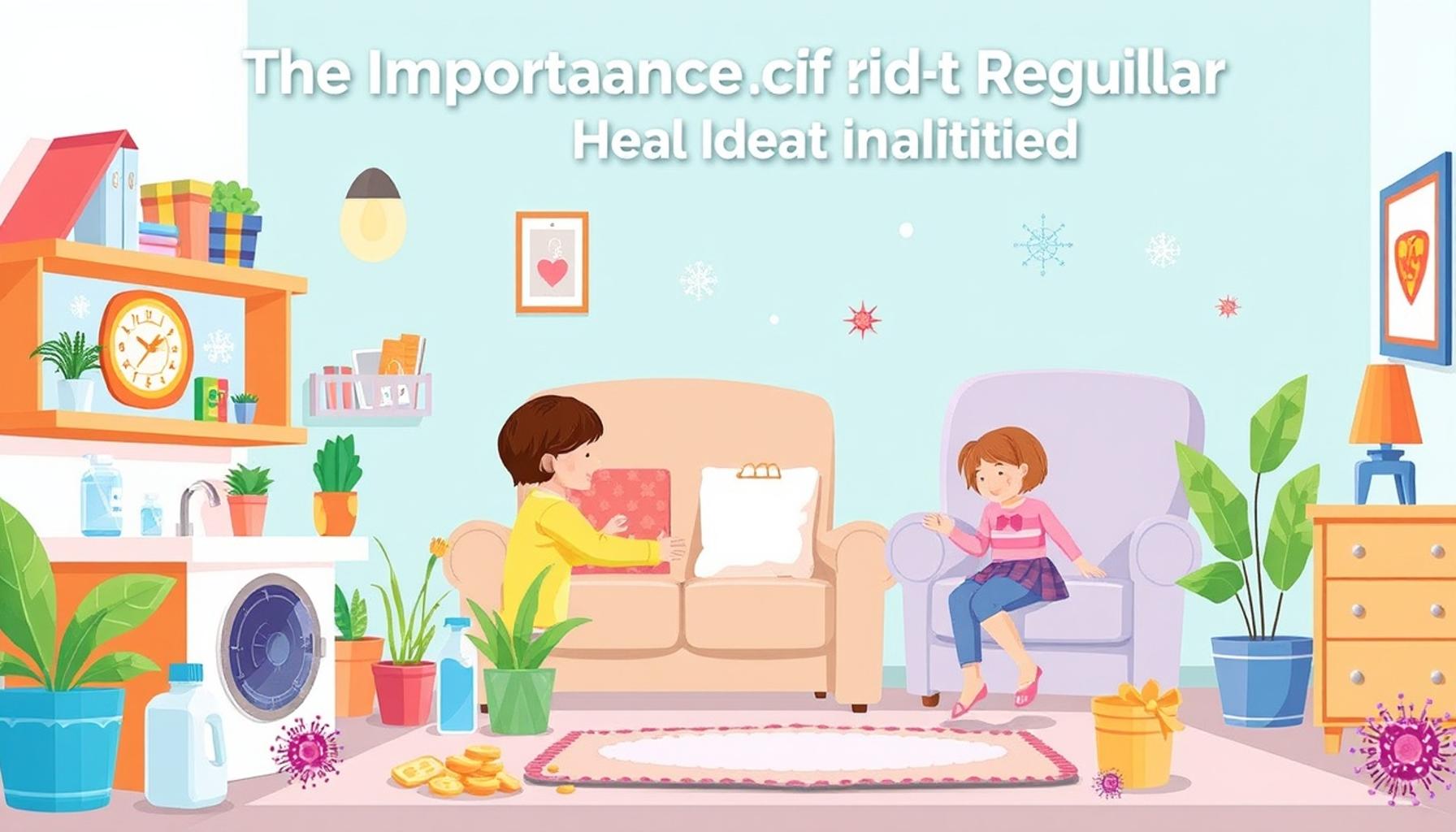
In today’s world, the concept of sanitization has never been more critical. As households face the persistent threat of infectious diseases, the need for effective sanitization methods in our domestic environments is paramount. With proper sanitization practices, we can significantly reduce the risk of illness and promote a healthier living space. During recent global health crises, the importance of effective sanitization was brought to the forefront, illustrating how minor adjustments in our daily routines can lead to substantial improvements in public health.
Why Focus on Domestic Environments?
Our homes are where we spend most of our time, making them potential hotspots for germs and pathogens. Consider these facts:
- The CDC reports that household surfaces can harbor various pathogens, potentially leading to the transmission of illnesses.
- High-touch areas such as doorknobs, light switches, and countertops are often overlooked and can serve as vectors for infection.
- Common household items, like kitchen sponges, can be breeding grounds for bacteria, harboring more germs than toilet seats in some instances.
Implementing regular sanitization practices is essential for maintaining our health. From everyday cleaning routines with soap and water to sophisticated disinfecting methods using sprays and wipes, every action contributes to reducing microbial presence. For example, the EPA has a list of effective disinfectants that are proven to combat germs and viruses, which can empower households to make informed choices about their cleaning products.
Moreover, research shows that regularly sanitizing your home can have a significant impact on overall wellness. A study published in the Journal of Environmental Health found that frequent sanitization of surfaces, particularly in kitchens and bathrooms, significantly decreases the likelihood of respiratory infections and gastrointestinal diseases. Understanding the impact of these measures empowers us to create safer and cleaner home environments.
Moving Towards a Safer Future
Taking a proactive stance on sanitization can yield remarkable benefits, and growing awareness in the United States underscores this need. As we uncover innovative sanitization strategies, such as UV light disinfection and electrostatic sprayers, the journey to a disease-free home takes shape. Schools, workplaces, and public venues are revisiting their cleaning protocols, aiming for comprehensive sanitization methods that protect not only individuals but communities as well.
Engaging with this topic not only protects our families but also contributes positively to public health. By fostering conversations about the importance of sanitization and promoting education on effective practices, we can create a culture that values hygiene and health. As more people understand the science and necessity behind these measures, we inch closer to a future where sickness is less prevalent, enhancing quality of life globally.
DISCOVER MORE: Click here for innovative maintenance tips
The Essential Elements of Effective Sanitization
To grasp the significance of sanitization in disease prevention within our domestic environments, it is vital to understand the core components that underpin effective sanitization practices. These elements not only contribute to a cleaner home but also play a critical role in safeguarding the health of all inhabitants. As we prioritize sanitization, we must also ensure it is thorough and sustainable, taking into account the various facets of cleaning that can significantly reduce the risk of disease transmission.
Key Practices for Effective Sanitization
Effective sanitization transcends mere cleaning; it involves a series of intentional practices aimed at eliminating harmful microorganisms. Here’s a breakdown of essential sanitization methods:
- Regular Cleaning: Frequent cleaning with soap and water is the first line of defense against germs. It is crucial to establish a cleaning schedule that includes high-touch areas such as bathrooms, kitchens, and living spaces.
- Disinfection: After cleaning, using EPA-registered disinfectants can provide an extra level of protection by targeting specific pathogens. Products that are designed to kill viruses and bacteria should be part of every household’s toolkit.
- Targeting High-Risk Areas: While all surfaces deserve attention, some areas require more meticulous care. Doorknobs, light switches, remote controls, and mobile devices are notorious for harboring pathogens and should be sanitized daily.
- Safe Practices for Cleaning Supplies: Understanding how to use cleaning products properly is crucial. This includes following the manufacturer’s instructions for dilution, contact time, and safety precautions to ensure effectiveness and reduce hazards.
- Proper Hand Hygiene: Regular handwashing with soap and water is an essential complement to surface sanitization. Keeping hands clean helps prevent the transmission of germs from surfaces to individuals.
By incorporating these key practices into our daily routines, we create an environment that significantly reduces the opportunity for germs to thrive and spread. A study published by the American Journal of Infection Control highlights that households that adhere to strict sanitization protocols see a marked decrease in illness-related absences. This data underscores the importance of not only cleaning but also adequately disinfecting surfaces to mitigate health risks.
Sanitization Beyond the Surface
Sanitization involves more than just the visible surfaces within our homes; it also encompasses air quality and the proper management of common household items. For instance, using air purifiers can help reduce airborne pathogens, while washing bedding and linens in hot water can eliminate harmful microorganisms that accumulate over time. In addition, the notion of “cleaning for health” extends to the materials we choose for our homes. Opting for low-VOC (volatile organic compounds) materials can not only contribute to a cleaner environment but also promote better overall wellness.
Understanding the diverse components of our sanitization practices empowers us to take decisive action in protecting our families’ health. By focusing on consistent and effective sanitization strategies, we are not simply making our homes cleaner, but we are also contributing toward a broader effort to diminish the transmission of diseases within our communities.
The Importance of Sanitization in Disease Prevention in Domestic Environments
In today’s world, the role of sanitization in maintaining health and preventing disease in our homes cannot be overstated. The presence of microbes, germs, and pathogens can lead to various illnesses, especially respiratory infections and gastrointestinal diseases. Understanding the significance of effective cleaning and sanitization practices is crucial for safeguarding our loved ones.
| Advantage | Description |
|---|---|
| Reduced Germ Load | Regular sanitization helps in minimizing the number of harmful microbes that dwell on surfaces, which can decrease the likelihood of illness. |
| Enhanced Air Quality | Proper cleaning practices improve indoor air quality by removing dust, allergens, and pathogens, thereby promoting respiratory health. |
Employing effective sanitization techniques, such as using disinfectants for high-touch surfaces and maintaining cleanliness in common areas, contributes significantly to a healthy living environment. It’s essential to educate all household members about the benefits of sanitization to instill lifelong hygienic habits. Furthermore, understanding that certain viruses can survive on surfaces for extended periods reinforces the necessity of consistent cleaning routines.
Incorporating routine sanitization not only assists in disease prevention but also fosters a sense of safety and hygiene in domestic spaces. Familiarizing yourself with best practices for effective cleaning can lead to a healthier lifestyle and ultimately break the cycle of transmission in homes.
DISCOVER MORE: Click here to enhance your cleaning routine
Innovative Approaches to Sanitization
As technology continues to advance, new methods and tools for enhancing home sanitization are emerging, providing more efficient pathways to disease prevention. By integrating these innovative approaches into our daily routines, we can further strengthen our defenses against pathogens in our domestic environments.
Utilizing Smart Technology
The rise of smart home technology has introduced a wealth of opportunities to improve sanitization efforts. Devices like smart air purifiers equipped with HEPA filters can trap airborne viruses and bacteria, making the air we breathe in our homes cleaner and safer. Moreover, the integration of smart sensors allows homeowners to monitor air quality and pollutant levels in real-time, prompting necessary adjustments in cleaning routines.
Additionally, automated cleaning devices, such as robotic vacuum cleaners, provide a hands-free approach to maintaining clean floors. These devices can be programmed to operate daily, ensuring that dust, pet dander, and other allergens are regularly removed, creating a healthier living environment.
Emphasizing Sustainable Practices
As we adopt modern sanitization methods, it is equally important to consider environmentally sustainable practices. Traditional cleaning supplies can contain harsh chemicals that not only impact health but also contribute to environmental degradation when washed away. Many households are now turning to eco-friendly cleaning products that are effective yet less harmful.
For instance, vinegar and baking soda can serve as natural cleaning agents capable of disinfecting surfaces without the side effects associated with conventional chemicals. By opting for sustainable products, families can maintain cleanliness while also caring for the environment—a vital consideration given the current state of climate change.
Education and Awareness in Sanitization
An often-overlooked aspect of effective sanitization is education. Understanding the science behind germs and how they spread empowers individuals to make informed choices about their cleaning practices. Public health campaigns, such as those initiated by the Centers for Disease Control and Prevention (CDC), play a pivotal role in raising awareness about the importance of sanitization.
Furthermore, engaging with local health departments can yield localized advice tailored to specific community needs and prevalent diseases. Parameters that may be effective in one region might not be as impactful in another, thus highlighting the value added by localized education and outreach initiatives.
The Role of Community in Sustaining Health
Sanitization should not be viewed merely as an individual effort but rather as a collective initiative within communities. When neighbors work together to maintain cleanliness—whether by coordinating group cleaning days or participating in community wellness programs—it fosters a culture of health and safety.
Community gardens, for example, not only provide fresh produce but can also serve as an excellent platform for educating individuals about proper sanitary practices in shared spaces. Initiatives like these correlate with broader public health successes, reducing instances of communicable diseases at the community level.
Overall, understanding and leveraging these innovative approaches enhances the overall effectiveness of sanitization practices in our domestic environments, creating a safer space conducive to health and well-being. As the landscape of disease prevention evolves, so should our methods for ensuring sanitation at home.
DIVE DEEPER: Click here to discover the advantages of time blocking
Conclusion: Strengthening Health Through Sanitization
In conclusion, the significance of sanitization in disease prevention within domestic environments cannot be overstated. With our homes serving as primary havens, adopting robust sanitization practices is essential for safeguarding our health and the well-being of our families. As highlighted throughout this article, the blend of innovative technologies, sustainable practices, and targeted educational initiatives forms a holistic strategy for effective sanitation.
Smart home technologies such as automated devices and real-time air quality monitors empower homeowners to maintain clean spaces with minimal effort. The transition to sustainable cleaning products not only promotes individual health but also addresses growing environmental concerns, demonstrating that our efforts in sanitation can harmonize with ecological responsibility. Furthermore, fostering community engagement in sanitization initiatives underscores the collective nature of health maintenance—proving that when neighborhoods unite for a common cause, they significantly enhance overall public health outcomes.
As we face ongoing challenges in global health, embracing these strategies enables us to take proactive steps against diseases in our daily lives. By continuously educating ourselves and remaining vigilant about our sanitization practices, we can significantly reduce the transmission of pathogens within our homes. Ultimately, the choices we make regarding sanitation echo through our communities, shaping a culture that prioritizes health, safety, and well-being for all. Therefore, let us remain committed to enhancing our environments through effective sanitization, ensuring that our homes remain genuinely safe sanctuaries.

Linda Carter
Linda Carter is a writer specializing in efficient house cleaning and maintenance. With extensive experience helping readers keep their homes clean, organized, and well cared for, Linda shares practical guidance on cleaning routines, household upkeep, stain removal, and time-saving methods. Her goal is to provide simple tips and effective strategies that make home care easier, faster, and more manageable.