The Influence of Social Media on the Popularization of Nigerian Cuisine: New Trends and Challenges
The Rise of Nigerian Cuisine on Social Media
In recent years, social media has emerged as a transformative force in the culinary world, particularly in Nigeria, where food is a central part of cultural identity. Platforms like Instagram, Twitter, and TikTok are not merely avenues for personal expression; they serve as launchpads for traditional dishes that capture the attention of audiences worldwide. Through vibrant posts, engaging videos, and creative food blogs, traditional Nigerian dishes are gaining newfound recognition around the globe. This phenomenon has led to a renaissance of interest in dishes such as Jollof rice, Egusi soup, and Suya, which are becoming household names even outside the borders of Nigeria.
Showcasing Local Delicacies
Nigerian cuisine is rich in flavors and history, and social media serves as a powerful tool for showcasing this diversity. Traditional dishes are often presented in visually appealing ways, with high-quality images and enticing descriptions that stimulate the senses. For instance, Jollof rice, known for its vibrant tomato base and spices, is often highlighted in cook-off challenges that pit different regions against each other in a quest to determine the best recipe. Such challenges capture the imagination of food enthusiasts, engaging them in a cultural conversation that extends beyond mere culinary exploration.
Culinary Influencers on the Rise
The impact of culinary influencers cannot be overstated. Chefs and food lovers are taking to platforms to share their unique takes on beloved dishes while creating a ripple effect that inspires home cooks and restaurants alike. Influencers such as “Chef Fregz,” who combines local and international flavors, not only educate their followers on techniques but also challenge them to appreciate the cultural significance behind each dish. Their ability to strongly relate to local audiences makes them instrumental in elevating Nigerian cuisine on a global scale.
The Appeal of Food Fusion
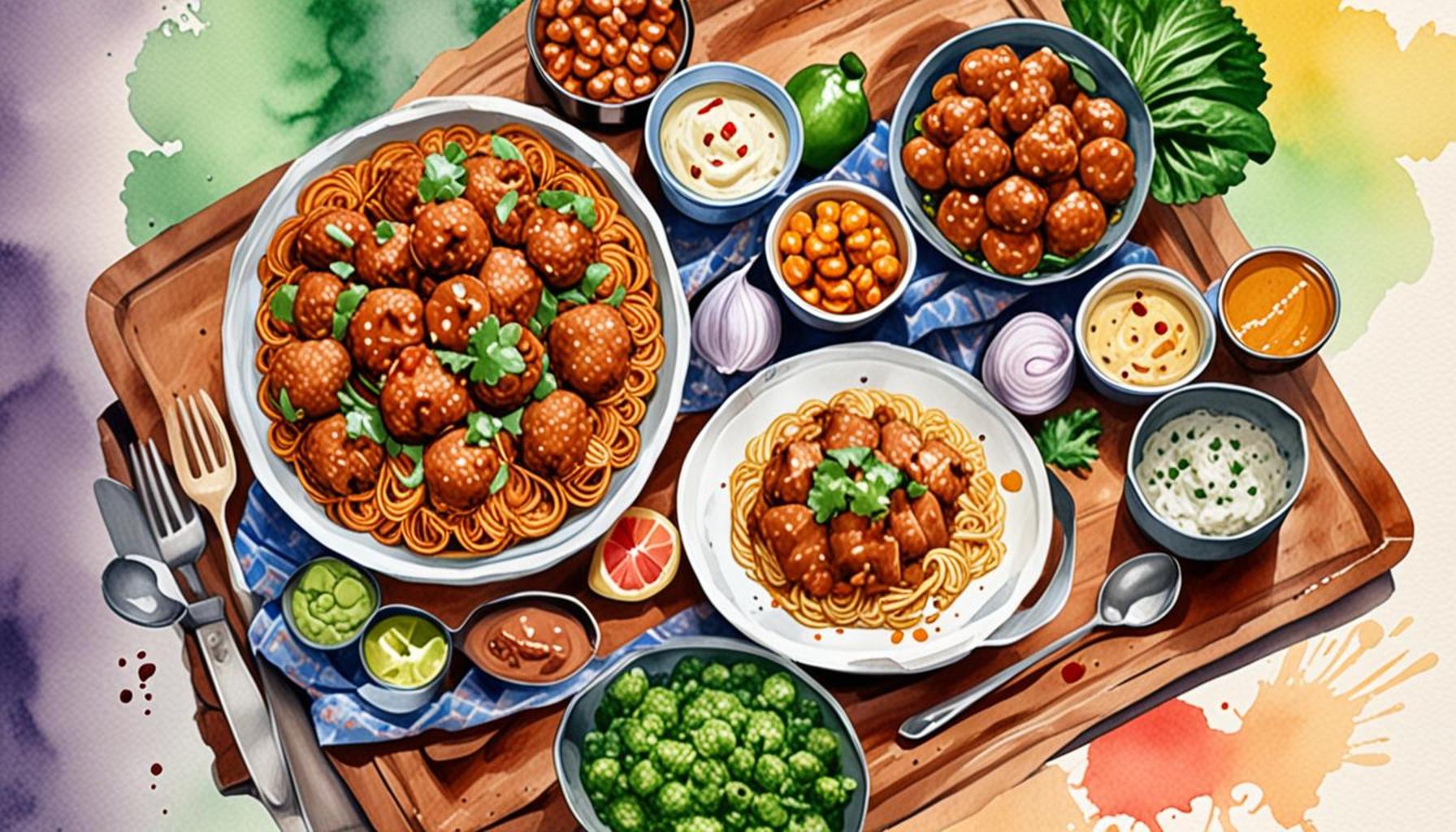
Another exciting trend is the emergence of food fusion, where traditional Nigerian dishes are creatively combined with international flavors. For instance, you might find Jollof sushi rolls or Egusi pasta dishes gaining traction on social media. These innovative adaptations not only breathe new life into classic recipes but also attract a younger audience that is eager to explore and experiment with their palates. They serve as a gateway for engaging the diaspora and global food lovers, presenting an exciting new chapter in Nigerian culinary history.
Challenges Ahead
Despite these exciting developments, Nigerian cuisine faces significant challenges in the digital space. One of the most pressing issues is authenticity concerns. As adaptations gain popularity, there is a risk that the essence of traditional recipes may be diluted, causing a cultural disconnect among younger generations unfamiliar with the original dishes. It raises the question: how do we preserve cultural heritage while embracing innovation?
Additionally, there is the issue of access to resources. Not all aspiring cooks have the means to recreate dishes as they see online, especially when imported ingredients are often involved. This gap can be particularly challenging for those living in rural areas, where market access is limited.
Lastly, the disparity in representation poses another significant challenge. While some dishes gain overwhelming popularity, regional cuisines may be overshadowed by more commercially appealing options, leading to a narrow portrayal of Nigerian food culture on a global scale.
Looking Forward
Understanding the dynamics of social media’s influence on Nigerian cuisine offers intrigue and insight into both its potential and pitfalls. As this culinary revolution continues, it prompts a larger conversation about how it will shape the identity of Nigerian food culture in the years to come. Will social media serve as a bridge that connects generations through shared culinary experiences, or will it fracture an essential cultural lineage? Enthusiasts and experts alike must engage in this dialogue to ensure that Nigerian cuisine not only flourishes but thrives in its authenticity.”
LEARN MORE: This related article may interest you
Creative Engagement Strategies in Nigerian Food Culture
The realm of social media is replete with innovative engagement strategies that have propelled Nigerian cuisine into the global spotlight. Chefs, food enthusiasts, and home cooks alike are utilising platforms not merely to share recipes but to create interactive experiences that resonate with diverse audiences. Social media has transformed cooking into a shared experience, allowing followers to participate in food challenges, virtual cooking classes, and collaborative recipe development that fuse traditional cooking with contemporary trends.
Interactive Cooking Challenges
One notable trend is the rise of interactive cooking challenges that encourage participants to recreate classic Nigerian dishes with a modern twist. For instance, platforms like Instagram and TikTok feature hashtags like #NigerianFoodChallenge or #JollofRiceChallenge, pushing users to showcase their culinary prowess. Such challenges do not only promote the dishes but also foster a sense of community where food lovers share their unique approaches, modifications, and even family secrets associated with these recipes. This interaction allows regional dishes to receive broader exposure and appreciation.
Recipe Sharing and Community Building
Social media groups dedicated to sharing recipes have gained immense popularity among Nigerians both at home and abroad. These platforms act as safe havens for culinary enthusiasts to seek advice, seek out authentic recipes, and share personal twists on traditional fare. Some of these groups even host weekly virtual meet-ups or cook-offs, allowing participants to showcase their dishes and receive feedback from fellow food lovers. For example:
- WhatsApp and Facebook Groups: Many Nigerians connect in various WhatsApp and Facebook groups focused on sharing traditional meals, allowing for real-time exchanges of recipes, tips, and cooking techniques.
- Live Cooking Streams: Chefs and influencers host live streams where they cook traditional meals while engaging with their audience, answering questions, and highlighting local ingredients.
- Food Blogs and Vlogs: Several users create detailed blogs and vlogs that focus exclusively on Nigerian culinary traditions, sharing not just recipes but storytelling that preserves cultural narratives.
The Role of Brands and Restaurants
Brands and restaurants are also leveraging social media to promote Nigerian cuisine. Many have instituted partnerships with influencers to amplify their visibility. For instance, local restaurants feature dishes on Instagram with stunning visuals and enticing descriptions, often accompanied by online promotions or giveaways. This not only draws in local patrons but also piques international interest.
Moreover, many restaurants now cater to the diaspora’s longing for home-cooked meals, creating specific menus that resonate with nostalgia while including a contemporary flair. This approach showcases the culinary versatility of Nigerian food and highlights how social media can narrate a story that bridges the gap between tradition and modernity.
Gaining Global Recognition
With the persistent portrayal of Nigerian dishes on social media, an increasing number of global food enthusiasts are becoming aware of the rich heritage and diversity of Nigerian cuisine. As international chefs experiment with these flavors, the appeal continues to expand. This global recognition emphasizes the ability of social media to not only popularize but also elevate the status of Nigerian cuisine in the culinary landscape.
Conclusively, as social media platforms continue to evolve, they act as conduits for innovative culinary practices that can further enrich the tapestry of Nigerian cuisine. The interplay of creativity, community, and collaboration sets the stage for both the celebration and preservation of this deeply rooted food culture.
The Evolution of Nigerian Cuisine through Social Media
As the digital landscape evolves, social media has emerged as a formidable force in reshaping perceptions and accessibility of Nigerian cuisine. Platforms like Instagram and TikTok allow users to share vibrant images and videos of traditional dishes, showcasing the art of cooking in dynamic ways. This visual emphasis not only attracts a younger audience but also fosters a sense of community among food enthusiasts. The use of hashtags like #NigerianCuisine and #FoodTok has aided in the viral spread of recipes and cooking tips, making authentic dishes more visible than ever. Moreover, food bloggers and social media influencers are taking center stage in promoting Nigerian cuisine, bridging the gap between traditional recipes and modern-day eating habits. These influencers often present age-old dishes with a contemporary twist, appealing to a global audience craving diversity in their culinary experiences. By incorporating elements of fusion cuisine, they introduce Nigerian dishes to people who may have otherwise never encountered them, thus expanding the reach of this vibrant culinary culture.
Challenges in the Facade of Popularization
While social media has accelerated the recognition of Nigerian cuisine, it also presents unique challenges. The portrayal of Nigerian dishes is often simplified to fit viewer preferences, which can lead to misconceptions about the cuisine’s complexity. Moreover, the focus on aesthetic presentation may overshadow the authentic flavors and cooking techniques critical to Nigerian culinary heritage. Another concern arises from the tendency to favor more commercially viable content, where traditional recipes might be overlooked in favor of trendy or viral food fads. This can dilute the cultural significance associated with many Nigerian dishes, as users might gravitate towards lighter, more globally recognized meals instead. As the conversation around Nigerian cuisine continues to evolve on social media, there is a pressing need for advocates and chefs to ensure that the depth and richness of the culinary tradition are maintained. Engaging in meaningful dialogue online about the cultural significance of dishes and their origins can help counterbalance the superficial aspects of social media. This dual nature of social media as both an opportunity and a challenge highlights the importance of authentic representation in the quest to popularize Nigerian cuisine. By enlightening a wider audience about the intricacies of these dishes, the potential for growth and appreciation in global culinary culture remains strong.
YOU MAY ALSO LIKE: Read read another article
Culinary Trendsetters and Digital Influencers
The accelerating popularity of Nigerian cuisine on social media cannot be discussed without acknowledging the pivotal role of culinary trendsetters and digital influencers. Social media platforms such as Instagram and TikTok have catapulted these culinary figures into the limelight, allowing them to share not only their cooking skills but also their unique interpretations of traditional dishes. This phenomenon has significantly rejuvenated interest in Nigerian food culture, attracting younger generations and a global audience.
The Power of Visual Appeal
In a world driven by visual content, the ability of influencers to create captivating food visuals is a game-changer. For example, Nigerian food stylists utilize vibrant colors, dynamic plating, and creative presentations to create dishes like Egusi Soup or Pounded Yam that are Instagram-ready. High-quality photography and dynamic videos transform these meals into visual narratives that convey the essence of Nigerian flavors, often accompanied by engaging stories about the origin and cultural significance of the dishes. This presentation not only entices viewers but encourages them to replicate and share their culinary adventures, thus broadening the reach of Nigerian cuisine.
Edutainment: Blending Education with Entertainment
Another key trend noted among food influencers is the integration of edutainment into their content. Many influencers not only provide recipes but also delve into the historical and cultural significance of the dishes they prepare. For instance, videos explaining the different types of Jollof Rice variations across West Africa demonstrate the regional uniqueness while highlighting Nigeria’s dominant position in this culinary debate. This dual approach is resonating well with audiences, fostering a greater appreciation for the rich tapestry of Nigerian culinary traditions.
The Impact of User-Generated Content
User-generated content (UGC) plays a significant role in the evolution of Nigerian cuisine on social media. Platforms encourage users to share their cooking experiences, contributing to a rich tapestry of shared stories that enhance community engagement. The use of hashtags such as #NigerianFood helps collate various contributions, making it easier for budding chefs and food lovers to discover new recipes and cooking styles. Furthermore, social media campaigns often encourage followers to tag famous influencers in their posts, creating a feedback loop where content shared can gain traction and credibility within the community.
Challenges: Authenticity vs. Trendiness
While the influence of social media is overwhelmingly positive, challenges remain. One such challenge is the balancing act between authenticity and trendiness. As Nigerian cuisine becomes trendy, some chefs and influencers risk oversimplifying or altering traditional recipes to cater to popularity, which may dilute the cultural essence. This difficulty presents a significant concern for culinary purists who argue for the preservation of authentic techniques and flavors. Additionally, the pressure to create constantly engaging content can lead to stress for many influencers, pushing some to prioritize trends over the integrity of traditional cooking.
As social media continues to shape the culinary landscape, the dialogue around the authenticity versus trendiness of Nigerian cuisine is essential. Striking a balance between celebrating time-honored recipes and embracing innovative adaptations will be critical to preserving Nigeria’s rich gastronomic heritage in the digital age.
YOU MAY ALSO LIKE: Read read another article
Conclusion
In conclusion, the influence of social media on the popularization of Nigerian cuisine has catalyzed a culinary revolution, encapsulating new trends while simultaneously laying bare challenges that must be navigated. As we have explored, the role of digital influencers and culinary trendsetters has been instrumental in reframing Nigerian dishes, from the vibrant presentation of Jollof Rice to the intricate artistry behind Pounded Yam. This visual-based culture has bridged the gap between traditional practices and modern expectations, making Nigerian cuisine more accessible and appealing to diverse audiences across the globe.
However, as the wave of popularity surges, we must remain vigilant about the authenticity of our culinary heritage. The challenge of balancing time-honored recipes with trending modifications is a delicate dance that requires collective mindfulness. While the allure of virality may tempt some chefs to alter traditional dishes, preserving the essence of Nigerian cuisine is crucial for future generations. As social media platforms continuously evolve, fostering an environment that encourages conversation about both authenticity and innovation is vital.
Ultimately, the narrative around Nigerian cuisine is far from complete. The ongoing dialogue, participation in user-generated content, and the promotion of culinary education will shape this journey. As we delight in the flavorful dishes that unite us, we must also celebrate their stories, ensuring that they endure amid changing trends. Only then can we honor Nigeria’s rich gastronomic heritage while embracing the dynamism that social media brings to our tables and hearts.