How to Divide Household Maintenance Tasks Throughout the Month to Avoid Overload

Introduction to Household Maintenance
Balancing household maintenance can feel like a juggling act, especially when life gets busy. Many Americans find themselves overwhelmed, facing a never-ending list of chores. However, with a well-structured plan, tackling these tasks becomes manageable!
Understanding Your Needs
Each household has different requirements and understanding these unique needs is the first step to effective maintenance. For instance, a family with young children may require more frequent cleaning due to spills and messes that come with daily activities. Conversely, a household with working professionals may prioritize laundry and meal prep over intense cleaning chores. From laundry to lawn care, identifying your specific tasks is crucial. Consider creating a checklist that outlines daily, weekly, and monthly chores. This will not only help clarify what’s needed but also establish a framework for tackling these responsibilities efficiently.
Benefits of a Monthly Plan
A well-thought-out monthly schedule offers numerous benefits. Dividing responsibilities helps reduce stress and prevents burnout. By spreading tasks over several weeks, it diminishes the likelihood of procrastination and ensures that your surroundings remain pleasant and organized. Imagine a scenario where you designate a particular week for deep cleaning different areas – one week could focus on the living room, while another targets the kitchen. This strategy fosters a clean space while making maintenance feel less like a chore and more like a routine.
Staying on Track
Utilizing tools such as calendars, reminders, and household apps keeps everyone accountable. Many families find success with digital solutions like shared Google calendars or specialized apps like Todoist, which allow members to assign tasks. This approach nurtures teamwork and responsibility among all occupants of the home. Another engaging tactic is to integrate chore charts that reward kids for completing their tasks. Such systems create a sense of achievement and involve everyone in maintaining the household.
Implementing Daily Routines
By implementing a systematic approach to chores, you can enjoy a cleaner home without sacrificing your valuable time. Incorporate daily chores into your routines to simplify the process. For example, some families find that running a dishwasher every night or dedicating 10 minutes to tidying up each morning significantly reduces the buildup of mess. Rotating responsibilities among family members can also breathe new life into the mundane and encourage cooperative participation.
Preparing for the Future
Ready to learn how to streamline your household maintenance to achieve harmony? Let’s explore effective strategies that can help keep your home in top shape, avoiding any last-minute panic as months draw to a close. By establishing routines, leveraging technology, and fostering shared responsibility, your household can maintain its vibrancy and comfort. Ultimately, a little foresight truly transforms household maintenance from an overwhelming task into and organized, manageable asset—a stepping stone toward peace and order in your home.
DISCOVER MORE: Click here to learn about sanitizing fabrics
Creating an Effective Household Maintenance Schedule
Understanding how to divide household maintenance tasks throughout the month is crucial for avoiding feelings of overwhelm. To begin, it’s essential to establish a structured system that not only articulates the chores but also organizes them into manageable segments. With a bit of planning, you can transform daunting chores into actionable tasks that seamlessly integrate into your life.
Analyzing Your Monthly Tasks
Before delving into the specifics of task division, start by analyzing the household maintenance tasks that need attention. Begin by categorizing these tasks into three main timeframes: daily, weekly, and monthly. This strategy allows you to pinpoint which chores should be prioritized at various intervals. Here’s a general guideline for these categories:
- Daily Tasks: These include essential chores like making the bed, washing dishes, and wiping down kitchen counters.
- Weekly Tasks: Schedule tasks like vacuuming, dusting surfaces, and laundry. These chores typically benefit from routine but don’t require daily attention.
- Monthly Tasks: This category includes deeper cleaning tasks such as washing windows, decluttering certain rooms, and checking smoke alarms.
Customizing Your Schedule
After categorizing your tasks, it’s time to customize your schedule. Consider the rhythm of your household activities. If weekends tend to be busier due to family outings or social events, designate weekdays for intensive chores. Alternatively, if you prefer to tackle your cleaning in larger blocks, consider designating one day a week for an extensive cleaning session. For instance, you might choose to reserve Saturdays for yard work and deep cleaning the bathrooms.
It’s worth noting that flexibility is key. Life happens, and unexpected events may arise. Therefore, if your schedule is not set in stone, you can easily adapt or shift tasks without feeling stressed about missed chores. Establish a “catch-up” day at the end of each month, allowing for procrastinated duties to be completed.
Involving the Entire Household
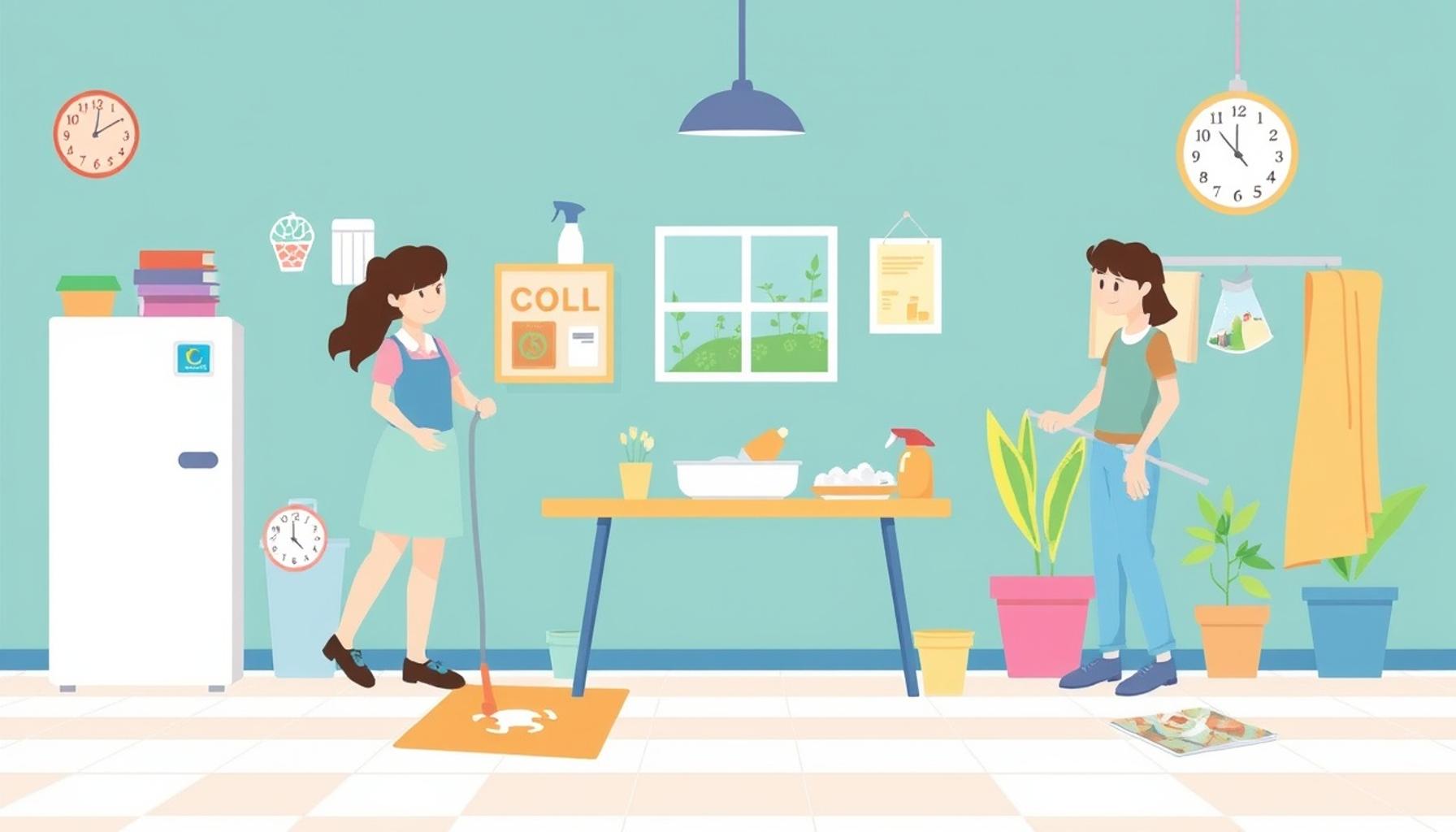
One of the standout strategies in effective task division is to involve every member of the household. This approach not only lightens the load but also fosters a sense of teamwork. Assigning specific tasks to each member helps build accountability and ownership. For families with children, it’s essential to delegate age-appropriate chores. Engaging kids in household duties teaches them responsibility while lightening your workload. Here are a few examples:
- Preschoolers can help by putting away toys.
- School-aged children can assist with simple laundry tasks.
- Teenagers can manage their own rooms and assist in vacuuming and dishwashing.
As you implement this collaborative approach, consider regular family meetings to discuss everyone’s progress and address any challenges. This not only keeps everyone updated but also promotes ongoing communication and problem-solving.
With an understanding of your household’s needs and a well-structured schedule, dividing maintenance tasks becomes a manageable part of everyday life. Keep shining light on how these strategies can lead to an organized, stress-free home!
Effective Strategies for Task Division
When considering how to effectively divide household maintenance tasks throughout the month, it’s essential to explore various strategies that can help families maintain a harmonious environment while preventing feelings of overload. One effective method is to create a weekly checklist. By breaking down tasks into manageable segments, individuals can allocate specific chores to each week rather than facing a daunting month-long list. This method not only organizes responsibilities but also allows for flexibility in case of last-minute changes in schedules.Another strategy involves the concept of theme days. Assign particular categories of tasks to specific days of the week. For instance, designate Mondays for laundry, Tuesdays for cleaning bathrooms, and Wednesdays for kitchen upkeep. This promotes a sense of routine and ensures that no particular area of the home is neglected. Encouraging all family members to participate can also reinforce teamwork and a shared commitment to maintaining a clean household.Moreover, incorporating the use of technology can streamline the planning process. Utilizing mobile apps for task management enables families to set reminders and track progress in real time. Not only does this make the division of tasks visible, but it also adds a level of accountability among household members.Implementing a rotation system can also be beneficial, particularly in larger households. By rotating tasks week by week, individuals can avoid the monotony of performing the same chores repetitively, thereby maintaining engagement and enthusiasm. Additionally, this approach fosters a greater appreciation for the various types of work involved in household maintenance.Ultimately, finding a balance and creating a sustainable plan tailored to your specific family’s needs can transform household maintenance from a burdensome obligation into a structured and manageable routine. By dividing duties thoughtfully, everyone can contribute to creating a cohesive living space, significantly reducing the risk of burnout associated with overwhelming workloads.
| Category | Advantages |
|---|---|
| Task Checklist | Organizes responsibilities and allows flexibility. |
| Theme Days | Creates routine and ensures comprehensive coverage of tasks. |
| Technology Integration | Promotes accountability and tracks progress efficiently. |
| Rotation System | Prevents monotony and equalizes workload among family members. |
Exploring these methods can significantly ease the burdens of household maintenance while enhancing collaboration and engagement among family members.
DIVE DEEPER: Click here to learn more about the importance of sanitizing fabrics</
Establishing Accountability and Tracking Progress
Creating a household maintenance schedule is only the first step in effectively managing chores; it’s equally important to establish accountability and track progress. This element can be a game-changer when it comes to maintaining a harmonious home environment and ensuring everyone sticks to their responsibilities.
Utilizing Chore Charts or Apps
One of the most effective tools to cultivate accountability is the use of chore charts or digital management apps. Chore charts can be as simple or elaborate as you choose; they can be chalkboards, printouts, or even colorful posters placed on a central family communication board. Each member can check off their completed tasks, which not only visually tracks progress but also fosters a sense of accomplishment.
For tech-savvy homes, consider apps designed for household management such as OurHome or Cozi. These applications allow family members to see their assigned tasks in real-time, add new chores, and even build a shared grocery list. Utilizing these tools can significantly increase productivity and keep everyone engaged in maintaining a household environment.
Creating Incentives and Rewards
Implementing a rewards system can also boost motivation and foster a positive attitude toward completing household chores. Consider creating a small point system where family members earn points for completing their tasks. Accumulated points could lead to rewards such as a family movie night, a special meal, or even a small monetary allowance for children. This approach transforms household maintenance from a burden into a rewarding experience, reinforcing positive behavior and collaboration.
Scheduling Regular Check-Ins
Regular family meetings can be invaluable for addressing the ongoing challenges of household management. Consider scheduling these check-ins bi-weekly or monthly, based on the family’s needs. Use this time to discuss what is working well and what may need adjustment in terms of task distribution. It is also beneficial to celebrate individual and collective achievements during these meetings, fostering a team spirit and boosting morale.
Aligning Tasks with Personal Schedules
Not every household member has the same schedule. Aligning household chores to fit into each person’s routine can significantly improve the effectiveness of your maintenance plan. For instance, if one family member works shifts, they might prefer to tackle chores during their days off. Alternatively, partners can coordinate to ensure that the load is balanced, with one taking on grueling projects during the weekdays while another tackles chores over the weekend. Flexibility in task assignment will lead to fewer conflicts and greater satisfaction.
Seasonal and Special Projects
Monthly maintenance should also account for seasonal tasks that may not crop up regularly but are essential for a well-maintained home. For instance, tasks such as gutter cleaning in the fall, or yard preparation in spring, should be built into your schedule. Keeping a seasonal calendar can help to remind all members of these impending tasks. This foresight ensures that special projects do not become overwhelming and are completed efficiently.
Engaging your entire household in these strategic maintenance routines can ensure that chores become a well-integrated part of daily life. By implementing accountability, utilizing tools to track progress, aligning tasks with personal schedules, and planning for seasonal duties, you set the stage for a smooth and manageable household maintenance system.
DISCOVER MORE: Click here for expert organizing tips
Conclusion: Creating a Sustainable Household Maintenance Plan
In summary, dividing household maintenance tasks throughout the month is not just about creating a schedule; it’s about fostering a collaborative environment that alleviates the stress associated with chores. By employing tools like chore charts or management apps, families can ensure transparency and accountability in completing tasks. Popular apps like Cozi and OurHome help families coordinate their responsibilities seamlessly, enabling everyone to keep track of what needs to be done. These platforms often include features for setting reminders and deadlines, making it easier to stay organized amidst the hustle and bustle of everyday life.
Moreover, rewarding participation through a point-based incentive system not only motivates family members but also transforms routine maintenance into a gratifying experience. For example, children can earn points toward a family outing or an allowance, which makes the process enjoyable and encourages a sense of accomplishment. This method fosters a positive attitude towards chores and teaches valuable lessons about responsibility and teamwork.
Aligning tasks with each member’s personal schedule allows for flexibility, making it easier to integrate chores into daily life. A busy parent may prefer handling laundry during weekends, while teenagers might commit to cleaning their rooms on designated weekdays after school. Regular family check-ins create opportunities for open communication about challenges and successes, enabling families to adapt their plans dynamically. Engaging in discussions about what’s working or what isn’t can solidify bonds and ensure everyone feels heard.
By accounting for seasonal projects in your maintenance schedule, you prevent overwhelming situations and promote a proactive approach. Examples of seasonal tasks could include gutter cleaning in the fall or deep cleaning carpets in the spring. Planning these projects ahead of time allows families to allocate appropriate resources and time, minimizing the stress of last-minute scrambles.
This holistic approach to household management leads to a more balanced and harmonious home environment. With careful planning, consistent tracking, and open dialogue, chores can evolve from dreaded responsibilities into a shared commitment that enriches family bonds. As each member feels invested in the upkeep of their space, the household flourishes into a well-oiled machine, creating a foundation for both productivity and relaxation. Ultimately, a sustainable maintenance plan not only enhances living conditions but also cultivates a culture of collaboration and mutual respect among family members, paving the way for a nurturing and supportive household.

Linda Carter
Linda Carter is a writer specializing in efficient house cleaning and maintenance. With extensive experience helping readers keep their homes clean, organized, and well cared for, Linda shares practical guidance on cleaning routines, household upkeep, stain removal, and time-saving methods. Her goal is to provide simple tips and effective strategies that make home care easier, faster, and more manageable.