
Introduction to Basketry: Weaving Techniques with Natural Materials
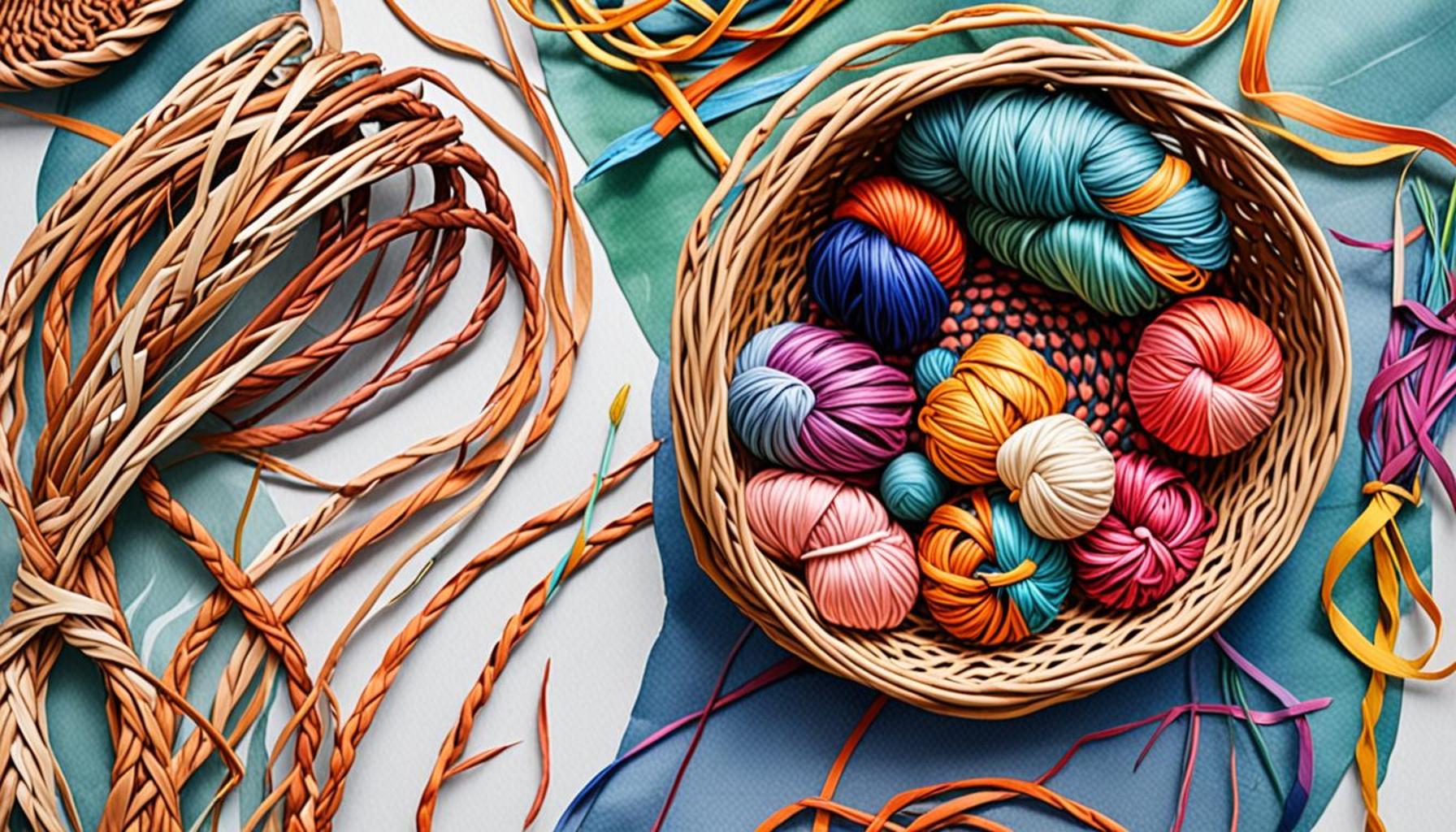
Discover the Timeless Craft of Basketry
Basketry is not just a craft; it encompasses a rich tradition that intricately weaves culture and creativity together. Using natural materials such as grasses, reeds, and bark, artisans create unique pieces that are both functional and decorative. In Nigeria, this ancient art form holds a significant place in community life and celebrations, acting as a vessel for storytelling and cultural heritage.
Key Features of Basketry
- Materials: Commonly used materials include rattan, palm fronds, and water hyacinth. Each material has its unique characteristics, with rattan being particularly durable and flexible, making it ideal for intricate designs. Palm fronds, on the other hand, can be split into fine strands, providing texture and color variation in finished products.
- Techniques: Various weaving techniques, such as coiling, twining, and plaiting, offer a range of textures and patterns. Coiling involves wrapping strands around each other in a spiral, while twining alternates between two strands, creating a beautiful interlocking design. These techniques not only serve aesthetic purposes but also contribute to the structural integrity of the baskets.
- Applications: From traditional to contemporary, baskets serve multiple purposes including storage, serving, and decoration. In rural communities, baskets are essential for carrying produce and goods, while in urban settings, they are often repurposed as decorative art pieces, infusing homes with a touch of cultural artistry.
Beyond mere aesthetics, basketry reflects the heritage and identity of various Nigerian tribes. Each region showcases distinct styles, influenced by the availability of materials and cultural significance. For example, the intricate patterns of the Yoruba people often incorporate vibrant colors and sacred motifs, while the bold forms from the Niger Delta emphasize strength and geometric designs, serving as a representation of the resilience of their communities.
As we delve deeper into the world of basketry, you will uncover fascinating weaving techniques that transform simple materials into breathtaking creations. Whether you are an aspiring artisan seeking to master the craft or simply an admirer captivated by the artistry, exploring basketry can reveal a deeper connection to nature and tradition. Engaging with local artisans or participating in workshops can provide insight into the stories woven into each piece, making the experience even more enriching.
Moreover, basketry not only preserves cultural practices but also fosters community bonds, as families often come together to share skills and knowledge. In Nigeria, special occasions and festivities frequently feature basketry displays, showcasing the artistic prowess of local weavers and their contributions to cultural continuity.
CHECK OUT: Click here to explore more
The Artistry of Natural Weaving: Techniques and Tools
At its core, basketry marries function with artistry through a variety of weaving techniques that have been perfected over generations. In Nigeria, local artisans draw from both ancient wisdom and contemporary methods to create stunning pieces that embody their cultural narratives. Understanding these techniques not only enhances appreciation for the craft but also opens doors to plaiting your own creations.
Exploring Popular Weaving Techniques
Several techniques form the foundation of basket making, each with its unique style and application. Here are some of the most prevalent methods used by artisans:
- Coiling: A method where natural materials are spiraled and stitched together to form a basket. This technique is widely appreciated for its versatility, allowing artisans to create intricate designs and varying shapes while maintaining essential strength. One can find coiled baskets adorned with bright patterns and symbols that narrate stories of the artisan’s heritage.
- Twining: This involves intertwining two or more strands of material around each other to form a fabric-like structure. Often used in traditional baskets from the Northern regions, twining can create both decorative and functional items, from laundry baskets to decorative wall hangings.
- Plaiting: An age-old technique that involves interlacing strips of materials, which is particularly popular for its straightforward yet elegant designs. Plaited baskets serve an array of purposes, from serving dishes to storage solutions in local homes.
The essence of these weaving techniques goes beyond mere aesthetics; they also reflect the practical needs of daily life in Nigerian communities. For example, baskets made using coiling are often strong enough to carry heavy loads during market days, while twined baskets are commonly used for storing grains.
Artisans have also innovated by incorporating mixed materials, such as adding synthetic fibers or textiles, to enhance durability while retaining the traditional aesthetics. This blend of old and new techniques showcases the dynamic nature of basketry, allowing it to evolve while remaining rooted in cultural significance.
Engaging with these techniques, whether through workshops or personal projects, can lead to a profound understanding of the relationship between nature and art. Artisans often speak of the deep connection they feel when working with the materials sourced from their environment, be it the feel of the silky palm fronds or the earthy scent of woven grasses. Such experiences bridge personal creativity and the communal heritage that defines basketry.
As you journey further into the realm of basketry, you’ll discover that learning these techniques goes beyond acquiring a skill; it offers invaluable insights into cultural identities, communal ties, and the narratives carried through generations. This intricate craft echoes the heart of Nigeria’s diverse heritage, reminding us of the stories that each woven piece holds.
| Advantage | Description |
|---|---|
| Sustainability | Basketry using natural materials promotes environmental consciousness and supports sustainable practices. |
| Cultural Heritage | Learning basketry revives age-old techniques, preserving cultural identities and fostering community spirit. |
Exploring the world of basketry offers more than just the joy of crafting; it connects individuals to a larger narrative of nature and culture. One remarkable advantage of weaving with natural materials is its inherent contribution to sustainability. In an era of mass production and disposability, utilizing resources like reeds, willow, or grasses champions eco-friendly practices that respect our planet. As you delve deeper into weaving techniques, you will find that these materials not only minimize environmental impact but also enhance the aesthetic value of your creations.Another compelling aspect is the role of basketry in preserving cultural heritage. Each weave tells a story, irrespective of the intended use or design. By engaging in this art form, you become a custodian of timeless traditions, helping to pass down skills and knowledge to future generations. Moreover, as communities engage in workshops or collaborative weaving sessions, they cultivate a sense of belonging and shared history that is increasingly rare in our modern lives. This reconnecting with roots is not only fascinating but serves as a powerful assertion of identity and artistry. As you journey through the exploration of basket weaving techniques, you will uncover rich insights into the interwoven tapestry of culture and sustainability. Each basket crafted carries a legacy worth cherishing and celebrating.
ADDITIONAL INSIGHTS: Expand your understanding here
Sustainability and the Future of Basketry
As the world increasingly turns its attention toward sustainability, basketry stands out as an artisanal practice that champions environmental consciousness. The use of natural materials not only aligns with eco-friendly crafting but also reinforces the notion of repurposing and valuing resources that are often overlooked in modern consumer culture. In Nigeria, local communities are preserving their traditions while also adapting to the changing environmental landscape, leading to innovative practices that merge traditional crafting with contemporary sustainability.
The Impact of Material Sourcing
When it comes to basketry, the choice of materials is paramount. Artisans commonly utilize indigenous plants such as raffia, reeds, and palm fronds, all abundant in various regions of Nigeria. This reliance on local resources not only minimizes the carbon footprint associated with transporting materials but also fosters a deep connection to the land. For instance, in the Niger Delta, artisans weave intricate baskets using the long, fibrous leaves of the oil palm, which are harvested sustainably, ensuring that the trees remain healthy and productive.
Moreover, many artisans are now turning to by-products of agricultural practices for their basketry. For example, dry grass and twigs left from farming are ingeniously repurposed into durable baskets. This method not only provides an economic benefit but also plays a significant role in waste reduction, echoing the broader principles of circular economy.
Modern Innovations and Techniques
The evolution of basketry is evidenced not only in the techniques used but also in the incorporation of modern technologies and design principles. Artisans are now experimenting with different dyes, including natural plant-based colors, to enhance their pieces and attract modern consumers who appreciate both artistry and sustainability. The rise of eco-friendly dyes has transformed how traditional baskets are perceived, shifting them from mere functional items to coveted art pieces, blending traditional craftsmanship with contemporary aesthetics.
In cities like Lagos and Abuja, artisan cooperatives and workshops are on the rise, creating platforms for collaborative innovation. These spaces enable seasoned craftsmen to mentor newcomers while sharing valuable insights into sustainable practices and the principles of basketry. Such initiatives not only empower craftspeople but also generate community interest in traditionally marginalized skills.
Preserving Cultural Heritage
As Nigeria’s urban landscapes expand, the risk of losing traditional skills like basketry becomes evident. However, the movement toward revitalizing these arts has gained traction, further emphasizing their importance in cultural preservation. Workshops and local fairs often celebrate the craft, allowing artisans to showcase their skills while educating the public about the significance of basketry in representing both identity and history.
Moreover, the digital age has opened new avenues for promoting basketry. Social media platforms and e-commerce sites have become essential tools for artisans to reach wider audiences, enhancing visibility for their handmade works. Through these channels, basketry is not only a preservation of the past but also a viable source of income and a means to share Nigeria’s rich cultural narratives with the world.
Engaging with basketry today signifies more than mere participation in a craft; it is a commitment to sustaining and celebrating a culturally rich practice that intertwines art, functionality, and environmental responsibility. By embracing traditional techniques and incorporating modern innovations, the future of basketry promises to be as vibrant as the colors woven into its fabric.
CHECK OUT: Click here to explore more
Conclusion
In an era where the demand for sustainable practices is more important than ever, basketwork emerges as a beacon of cultural heritage and ecological responsibility. This artisanal craft not only showcases the unique weaving techniques utilized by artisans across Nigeria but also highlights the significance of using natural materials that are both locally sourced and sustainably harvested. As we have explored, the skills involved in basketry are deeply intertwined with identity, environment, and community, making the craft a vital aspect of Nigeria’s rich cultural tapestry.
The growing trend towards integrating modern innovations in basket-making, such as eco-friendly dyes and collaborative workshops, suggests that this ancient practice is far from stagnant. Instead, it is evolving, with artisans finding new ways to appeal to contemporary markets while staying true to their roots. This evolution not only preserves important cultural practices but also empowers local communities economically.
As we step into the future, the onus lies on us as consumers and custodians of our heritage to support these artisans by appreciating the artistry and sustainable practices behind each woven piece. Embarking on an exploration of basketry reveals a world where creativity meets tradition, environmental awareness coexists with functional design, and local craftsmanship tells a story that spans generations. The journey into basketry invites us to reflect on our relationship with nature, our communities, and our heritage, encouraging us to celebrate and protect these invaluable arts for future generations.