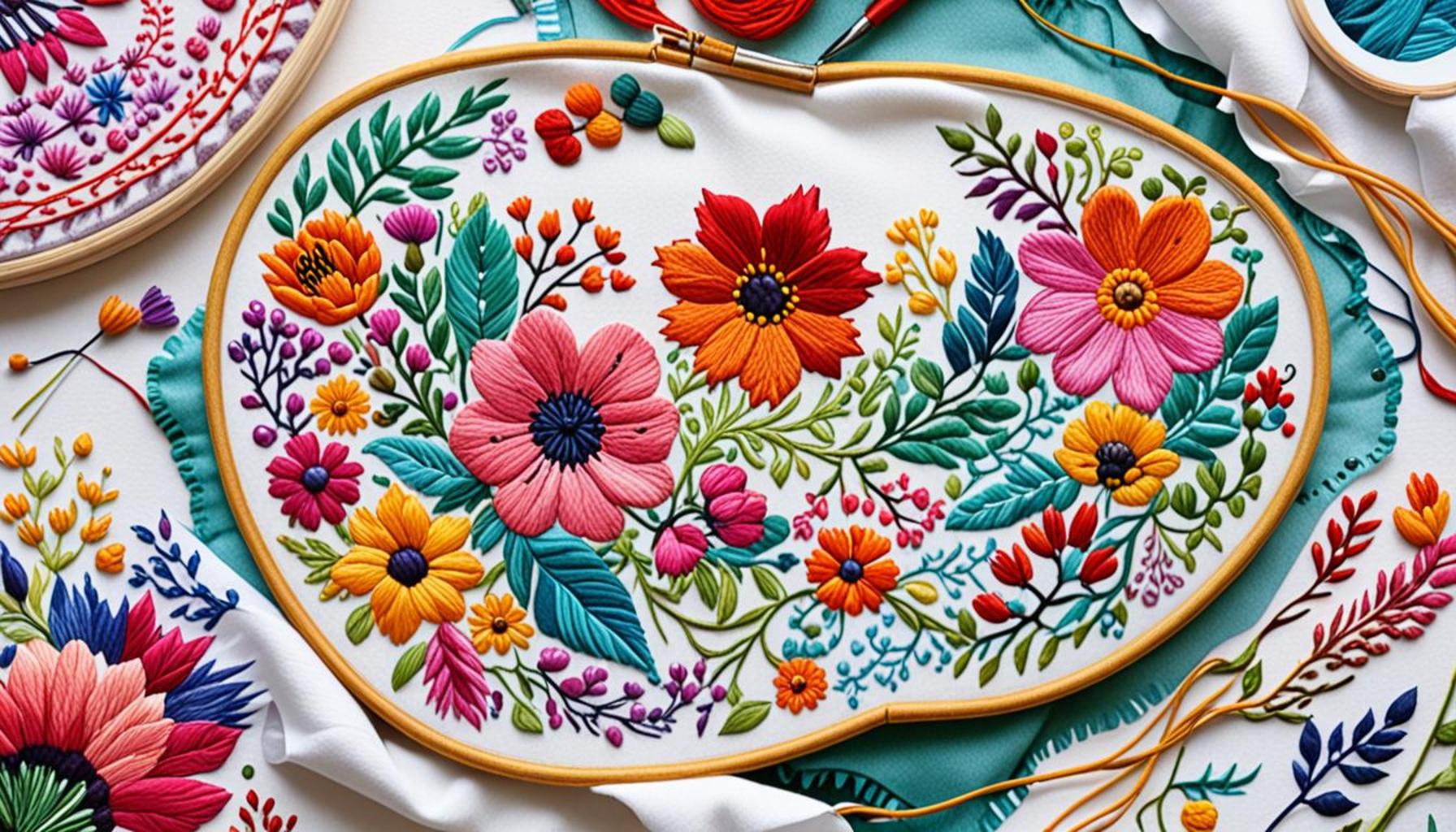
The Magic of Knitting: Exploring Patterns and Textures in Knitting Projects
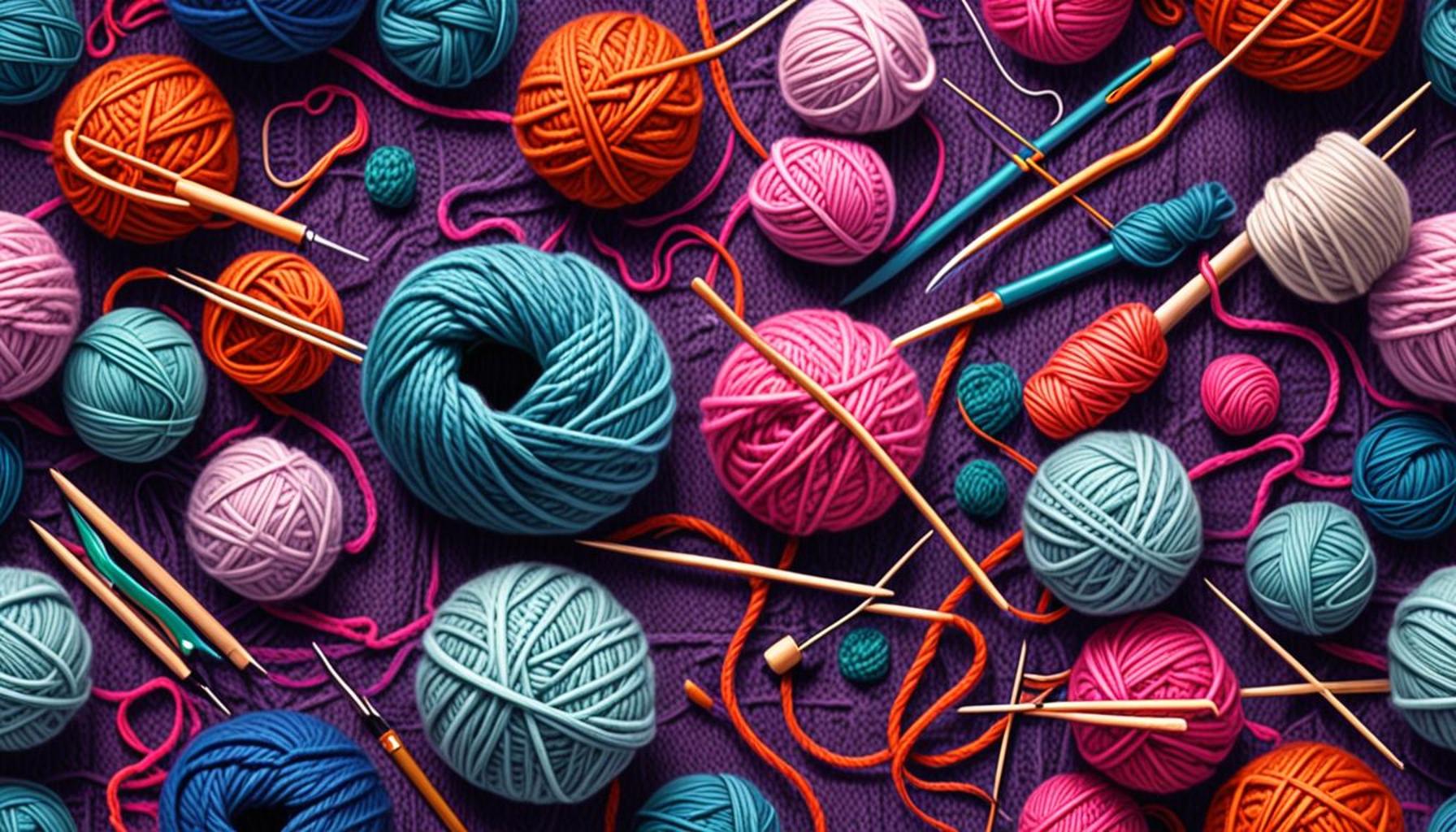
The Artistry and Cultural Significance of Knitting
Knitting is more than merely looping yarn around needles; it’s an age-old craft that weaves together history, culture, and personal expression. When knitters pick up their needles, they are engaging in a time-honored tradition that has been passed down through generations, evolving yet retaining its core essence. The fabrics produced are not just textiles; they embody stories, emotions, and artistic creativity, ranging from everyday garments to cherished heirlooms.
In Nigeria, where textiles play a crucial role in cultural identity, knitting has transformed into a powerful medium for artistic expression. This includes not only the creation of functional items but also pieces that resonate with community narratives and personal experiences. Key elements that define Nigerian knitting artistry include:
- Patterns: The geometric designs commonly found in traditional Nigerian art often inspire knitters. These patterns may reflect symbols from local folklore, tribal insignias, or even nature, resulting in garments that are visually striking and culturally rich. For example, a vibrant scarf featuring the Adinkra symbols may carry profound meanings, celebrating heritage and storytelling.
- Textures: Skilled knitters explore a variety of textures, showcasing techniques that range from the smoothness of stockinette to ornate lace patterns or intricate cable knits. This diversity not only enhances the aesthetic appeal but also affects the tactile experience of the finished piece. A cozy blanket, knitted with thick, cozy yarn in a textured pattern, offers both warmth and visual intrigue, making it a staple in many Nigerian homes.
- Techniques: Nigeria boasts unique knitting methods, such as the “knotting” technique that incorporates complex, interwoven stitches. This method not only adds visual depth but also serves as a testament to the skill and creativity of its practitioners. Craftspeople often experiment with combining traditional and contemporary techniques, resulting in pieces that resonate with both local and global aesthetics.
For both novice and experienced knitters, the thrill of knitting lies in its vast possibilities. As you take your first steps into this captivating world, you’ll find endless opportunities to explore innovative projects that reflect your individual creativity. From creating a colorful shawl that tells a personal story to crafting uniquely inspired home décor that sparks conversation, each project invites a journey of discovery.
Ultimately, knitting is a gateway to embracing personal style and craftsmanship. It encourages a deep connection to both self and community, as knitters celebrate not only the intricacies of their craft but also the rich cultural heritage of Nigeria. Each stitch is a step into a vibrant world filled with potential, promising an adventure where creativity knows no bounds. The magic of knitting awaits you as you unravel the patterns and textures that define this timeless art.
ADDITIONAL INSIGHTS: Expand your understanding here
Unraveling the World of Patterns
When one delves into the art of knitting, it’s impossible to overlook the significance of patterns. Patterns not only guide the knitter’s hands but also serve as a canvas for creativity. From the first loop to the final bind-off, the careful selection of patterns can transform a simple piece of yarn into a narrative woven with intent. In Nigeria, these patterns take on a unique cultural resonance, reflecting local traditions, values, and ideas.
The rich tapestry of Nigerian artisanal heritage influences the patterns employed by contemporary knitters. Whether it’s a vibrant geometric design or a detailed motif inspired by cultural iconography, each piece of work tells a story steeped in symbolism. Here are a few notable types of patterns that resonate deeply in the knitting community:
- Geometric Patterns: Often inspired by traditional African art, these designs use shapes and lines to create visually stunning textiles. The symmetry and repetition found in these patterns not only showcase crafting skills but also highlight the beauty of nature, architecture, and community.
- Motif-Based Patterns: These patterns incorporate specific images or themes—be it flora, fauna, or cultural symbols. For instance, a scarf adorned with motifs representing Nigeria’s diverse wildlife can evoke a sense of pride and connection to the land.
- Textural Patterns: Knitters often explore textures, combining different stitches to create captivating surfaces. Textural patterns can elevate a simple garment by adding dimension and tactile interest. Techniques like ribbing or lace not only enhance the visual allure but also affect the garment’s functionality, offering flexibility and warmth as needed.
The Tactile Symphony of Textures
Texture plays a pivotal role in knitting, influencing both the aesthetic and practical facets of the finished project. The careful interplay of yarn and stitch techniques can define the overall feel of an item, creating a tactile experience that transcends mere visuals. Knitters in Nigeria embrace a myriad of textures, each contributing to the context and character of their projects.
For example, a knitted sweater featuring an intricate cable pattern conveys a warm coziness, making it a favorite for chilly evenings. Similarly, soft lace patterns bring an air of elegance to shawls and wraps, making them suitable for special occasions or everyday wear. The choice of yarn also plays a critical role; the fiber’s thickness, warmth, and drape can significantly alter how a piece behaves and feels.
As knitters experiment with different yarns and techniques, they discover the unique characteristics of each texture. The appeal of chunky knits versus the delicate touch of lace cannot be understated, as they both cater to different preferences and purposes. Entering this world of textures, knitters not only craft functional items but also create tactile art that can ignite emotions and foster connections.
Embracing the myriad possibilities within landscapes of patterns and textures makes each knitting project a journey of self-expression. As individuals intertwine their threads with tradition and personal style, they tap into a magical realm that celebrates creativity while honoring the legacy of their cultural roots.
Discovering Intricate Patterns and Textures
Knitting transcends the basic act of stitching yarn; it unfolds into a world rich with complex patterns and textural nuances. As enthusiasts dive into the realm of knitting, they encounter a myriad of patterns, from the simplistic garter stitch to elaborate lacework that can transform a humble garment into a wearable masterpiece. Each pattern tells a story, offering not just a challenge but a joyous journey where creativity meets skill.
Techniques to Master
To successfully navigate this enchanting landscape, knitters often explore various techniques integral to pattern creation. For instance, cabling introduces a three-dimensional texture that captivates the eye, while colorwork, such as Fair Isle knitting, allows for the vibrant expression of hues interwoven into fabric. These techniques not only enhance the aesthetic appeal but provide knitters with a sense of accomplishment as they witness their projects come to life, stitch by stitch.
Cultural Influence on Knitting
The art of knitting is also steeped in cultural significance. Different regions boast unique patterns, influenced by their histories and traditions. From the traditional Nordic patterns to the intricate motifs of Scandinavian designs, each project reflects a piece of heritage. This cultural exchange enriches the modern knitter’s repertoire, inviting them to explore and incorporate diverse inspirations into their creations.
Patterns as a Source of Inspiration
Furthermore, engaging with existing patterns can ignite the creative flame within knitters. Whether it’s an online pattern library or a local knitting group sharing ideas, the collaborative aspect of knitting fosters a community that continually inspires innovation. Knitters are encouraged to modify established patterns, push boundaries, and ultimately discover their distinct style—a testament to both individual creativity and the communal spirit of this timeless craft.
The Table of Knitting Advantages
| Knitting Advantages | Details |
|---|---|
| Therapeutic Benefits | Knitting is known to reduce stress, providing a calming effect through repetitive motion. |
| Skill Development | Enhances fine motor skills and fosters problem-solving abilities, making it a rewarding hobby. |
As you embark on your knitting journey, remember that each stitch is a step into a larger narrative of artistry and craftsmanship. Embrace the patterns, explore new textures, and let the magic of knitting unfold before you. With each project, not only do you create beautiful pieces of fabric, but you also weave the fabric of community, tradition, and personal growth.
LEARN MORE: This related article may interest you
Embracing Cultural Influences in Knitting
Knitting is not just a craft; it is a cultural expression that resonates vividly within communities across Nigeria. Each region boasts distinct styles influenced by local traditions, stories, and personal experiences. As knitters engage with their heritage, they invite a fusion of contemporary patterns with age-old techniques, creating a rich dialogue between past and present.
In various parts of Nigeria, knitting serves as a storytelling medium. For instance, regional patterns often incorporate motifs that represent important cultural narratives. The Yoruba people might showcase intricate designs reflecting their rich artistic heritage, while the Igbo community could draw upon traditional symbols that celebrate community ties and shared values. This profound connection to cultural identity not only enhances the aesthetic appeal of knitted pieces but also deepens the significance of the work.
Innovative Collaborations
Moreover, the knitting landscape in Nigeria is continually evolving through collaborations among local artisans, designers, and knitters. These partnerships have birthed exciting projects that blend various forms of craftsmanship. For example, the collaboration between knitters and beadwork artists leads to unique pieces that marry the tactile qualities of knitting with the vibrant colors and forms of beads. The result is a captivating visual and textural feast that not only decorates but also narrates a story of cultural synergy.
Additionally, social media platforms have transformed the way knitters connect and share their creations. Online communities provide spaces where knitters can exchange ideas, showcase their work, and obtain inspiration from others. The #NigerianKnitting hashtag cultivates a sense of camaraderie among enthusiasts, aiding the spread of innovative techniques, patterns, and textures. This digital revolution has enabled even the most traditional techniques to seamlessly integrate with modern trends, encouraging a rich and vibrant knitting culture.
Connecting with Nature through Yarn Choices
The choice of yarn in knitting brings another layer of cultural significance. In Nigeria, where diverse plant fibers are readily available, natural materials like cotton, wool, and even silk are commonly incorporated. Crafting with locally sourced yarn not only supports community economies but also emphasizes sustainability, echoing the principle of respecting one’s environment.
Knitting with natural fibers enhances not only the aesthetic appeal but also the comfort of the finished pieces. Cotton, for instance, allows for breathable garments ideal for Nigeria’s warm climate, while wool provides warmth for cooler seasons. By opting for natural materials, knitters connect more deeply with their surroundings and create versatile pieces that reflect the spirit of the land.
In this diverse landscape of knitting, the integration of cultural motifs, innovative collaborations, and thoughtful yarn choices serves to enrich both the experience and the output of each project. As knitters in Nigeria continue to explore and embrace these aspects, they contribute to a vibrant tapestry of creativity that is as unique as it is magical.
RECOMMENDED: Check out this similar article
Conclusion: Weaving Community Through Knitting
The journey through the world of knitting reveals a tapestry that is far more intricate than mere yarn and needles. It is a dynamic medium that transcends generations, merging cultural heritage with contemporary artistry. As we explored, knitting in Nigeria serves not only as a craft but as a powerful storytelling tool, reflecting the rich traditions and values of various communities. The unique patterns and textures evoke a deep sense of place and identity, allowing knitters to leave their personal imprints on every project.
Furthermore, the innovative spirit ignited by collaborations among artisans and the digital knitting community strengthens this ever-evolving craft. It inspires creativity and encourages local craftsmanship, while also allowing knitters across Nigeria to share techniques and showcase the beauty of their work globally. The emergence of sustainable practices through the choice of natural fibers also aligns with a growing environmental awareness, making each knitted piece not just a product, but a statement of cultural responsibility.
As you explore the magic of knitting, consider the stories that each stitch tells and the connections it fosters among people of different origins. By engaging with this craft, you not only join an age-old tradition but also contribute to a thriving community that celebrates innovation, collaboration, and sustainability. Embrace the patterns, savor the textures, and let the magic of knitting invite you to stitch your story into the larger narrative of creativity that enriches our shared experience.