Watercolor Painting Techniques: Exploring Colors and Textures to Create Vibrant Works
Unveiling the World of Watercolor
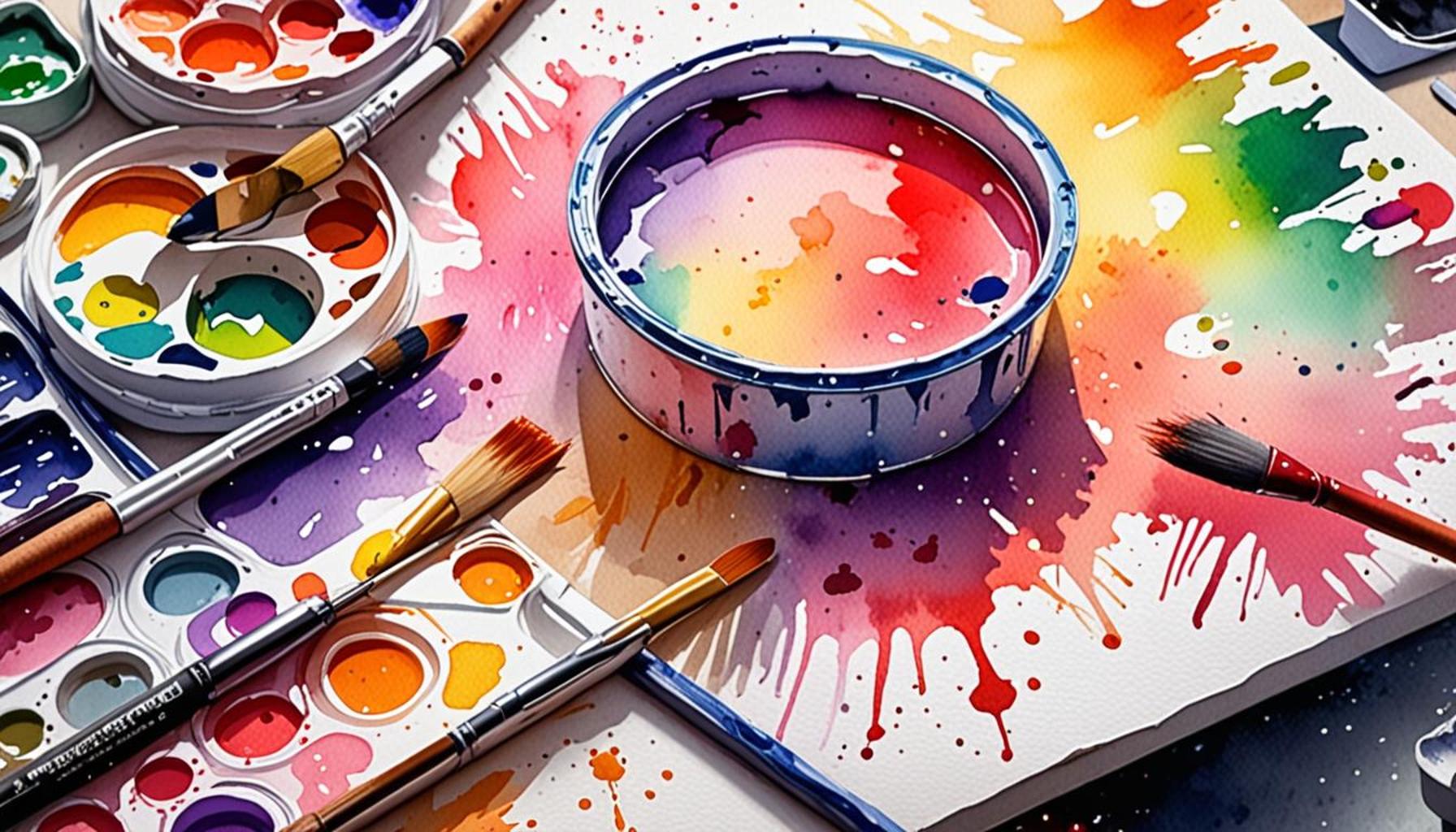
Watercolor painting is a beautiful and expressive medium that captivates artists around the globe. With its fluid nature, this technique allows for a unique interplay between colors and textures, resulting in vibrant works of art. As you dive into the realm of watercolor, you’ll discover endless possibilities that ignite creativity. This ancient art form has evolved over centuries, and today it encompasses a diverse range of styles and applications, from botanical illustrations to abstract expressions.
Why Explore Watercolor Techniques?
Understanding various watercolor techniques can enhance your artistic journey in profound ways. The dynamic quality of watercolors allows artists to experiment with their medium and innovate their style. Here are some key reasons to explore:
- Achieve stunning effects through proper blending: The ability to seamlessly blend colors creates stunning gradients and luminous effects. For example, blending shades of blue and green can evoke the serene beauty of Nigerian oceans and rivers.
- Experiment with layering to create depth: Layering washes of color can yield atmospheric perspectives that invite the viewer deeper into the painting. Artists can reflect the rich textures of Nigeria’s landscapes, from the expansive savannahs to the lush jungles.
- Manipulate texture using various tools like sponges or salt: Introducing unexpected textures by experimenting with different materials can add intrigue. Using salt, for instance, can create starry night skies or shimmering water surfaces, reminiscent of Nigeria’s beautiful evenings.
Nigeria boasts a rich tradition of art, and incorporating watercolor into your practice can lead to unique cultural expressions. Artists can draw inspiration from the vibrant colors of local festivals like the Osun-Osogbo Festival or Yoruba masquerades. By embracing local landscapes and traditional crafts, they convey narratives that resonate with their communities. This not only enriches the artists’ portfolios but also preserves cultural heritage through art.
Essential Techniques to Master
Whether you’re a beginner or an experienced artist, mastering the following watercolor techniques will elevate your work:
- Wet-on-wet: Applying wet paint onto a wet surface creates soft edges and beautiful blends, perfect for depicting the gentle swirls of a colorful Nigerian sunset.
- Glazing: Layering transparent washes to build color adds vibrancy and depth, essential for capturing the beautiful textiles of Nigerian attire.
- Dry brush: Using a dry brush technique allows for creating textured strokes; this can convey the rough surfaces of traditional pottery or the intricate details of woven baskets.
Dive into the world of watercolor painting, and let your imagination soar. With practice, you can transform ordinary scenes into exceptional masterpieces filled with life and emotion. The journey into watercolor painting is not only about mastering techniques but also about expressing your unique perspective and cultural identity. As you explore the harmony of water and pigment, you’ll find a deeply fulfilling avenue of self-expression. Whether capturing the essence of your surroundings or the spirit of your community, watercolor painting is a marvelous way to connect with both art and culture.
SEE ALSO: Click here to read another article
Mastering the Art of Watercolor
Watercolor painting is not merely a method; it is a journey of creativity that invites artists to embrace its fluidity and spontaneity. As you navigate through this rich artistic lane, you will quickly discover how colors can blend and interact in unexpected ways, creating a tapestry of hues that resonate with vitality. In Nigeria, where the landscape is a vibrant collage of cultures and traditions, watercolor painting serves not only as an artistic outlet but as a profound means of storytelling.
Discovering the Palette: The Power of Color
Colors in watercolor painting are more than just mere pigments; they embody emotions, tell stories, and create connections. The ability to experiment with different combinations can lead to electrifying results. Here are some essential aspects of color theory in watercolors:
- Color Mixing: Delving into the art of mixing paints allows you to create a spectrum of shades tailored to your vision. For instance, blending earthy tones can reflect the traditional crafts found in Nigerian markets, while vibrant colors may depict the excitement of cultural festivals.
- Color Temperature: Understanding warm and cool colors can shape the mood of your artwork. Warm colors can evoke feelings of warmth and energy, while cool colors can instill calmness. Whether painting the bustling streets of Lagos or the serene landscapes of Jos, color temperature will guide your artistic decisions.
- Transparency vs. Opacity: Knowing when to use transparent colors to build layers versus opting for opaque hues for impact is crucial. Transparent washes can capture the essence of translucent water reflections, while opaque colors may represent the richness of Nigeria’s vibrant textiles.
To enhance your understanding of color, experiment with color swatches and gradients on a test sheet before working on your final piece. This practice can be a game changer, helping you identify the interplay of colors that work best together.
Texturing Your Art: Techniques for Dimension
Texture in watercolor adds depth and intrigue, inviting viewers to explore your work up close. Here are several techniques to apply texture effectively:
- Spattering: Flicking a brush loaded with paint can create spontaneous spots that mimic the lively patterns found in Nigerian textiles. This technique is particularly effective for pieces inspired by the hustle and bustle of African cities.
- Salt Technique: Sprinkling salt onto a wet wash creates unique crystallized patterns – ideal for depicting starry night skies or the textures of rough surfaces found in nature. It’s a whimsical addition that echoes the vibrancy of traditional celebrations.
- Masking Fluid: Using masking fluid allows you to preserve white spaces in your painting, creating highlights that are essential for rendering light. This technique is perfect for painting dynamic scenes, such as a waterfall in Nigeria’s lush environments.
As you explore these watercolor painting techniques, remember that each stroke contributes to the overall narrative of your artwork. In the hands of an artist, colors and textures transform into a powerful means of expression, inviting audiences to engage deeply with their cultural roots and artistic journeys. Whether drawing from personal experiences or local traditions, the exploration of watercolor techniques can lead to stunning creations that reflect your unique perspective.
Exploring Techniques for Rich Textures
One of the most captivating aspects of watercolor painting is the ability to create unique textures that can add depth and interest to your artwork. Techniques such as wet-on-wet and dry brush offer artists a variety of ways to manipulate watercolors, resulting in vibrant and dynamic compositions. Wet-on-wet involves applying wet paint onto a wet surface, allowing colors to blend and flow visually, which results in soft, dreamy effects. Conversely, the dry brush technique allows for more crisp edges and pronounced textures by using less water, making it perfect for detailed elements.
Color Mixing for Enhanced Vibrancy
The charm of color mixing in watercolor painting cannot be overstated; it empowers artists to generate custom hues that resonate with their vision. Understanding the color wheel and the relationships between colors can save you from creating muddy mixtures. Layering semi-transparent washes helps to build a rich palette, allowing highlights and shadows to emerge beautifully. For instance, mixing complementary colors can lead to increased vibrancy and contrast in the painting, thus enhancing visual interest.
| Technique | Description |
|---|---|
| Wet-on-Wet | Blends colors smoothly for soft effects. |
| Dry Brush | Creates texture with minimal water, ideal for details. |
Utilizing Paper Varieties
The choice of paper is just as crucial as the paint itself in producing stunning watercolor effects. Artists often use textured paper to enhance the visual narrative of their work. Cold press paper, known for its pronounced texture, allows paint to settle into grooves, fostering spontaneous color interactions. On the other hand, hot press paper provides a smooth surface that delivers precision and clarity for intricate designs. Experimenting with various paper types can greatly influence the final outcome of your paintings, allowing for a richer exploration of color and texture.
RECOMMENDED: Check out this similar article
Exploring Advanced Techniques for Watercolor Mastery
As you delve deeper into the mesmerizing world of watercolor painting, an array of advanced techniques awaits to elevate your artistry. Every brushstroke offers an opportunity to explore the boundless possibilities of colors and textures, ultimately allowing you to infuse a sense of dynamism into your creations. In Nigeria, where rich traditions and stunning landscapes abound, these techniques can help tell your story in vibrant and expressive ways.
Wet-on-Wet Techniques: The Dance of Color
The wet-on-wet technique, where wet paint is applied onto a wet surface, produces soft edges and beautifully blended colors. This technique is especially useful for painting dreamy landscapes or atmospheric scenes that capture the essence of serene Nigerian evenings. The gentle merging of colors can emulate the tranquil skies at sunset over Lake Chad or the lush greenery of the Niger Delta.
- Soft Blending: When applying multiple colors on a wet surface, observe how they interact and flow into each other, shaping harmonious gradients reminiscent of Nigeria’s vibrant sunset hues.
- Layering Effects: Allow each layer to dry partially before adding another color, which can result in intricate textures and shadows, capturing the complexity of life in bustling markets.
Dry Brush Technique: Capturing Fine Details
The dry brush technique is perfect for creating texture and detail, as it involves applying paint with a brush that is relatively dry. This method can emphasize the rugged surfaces of buildings or the intricate details of traditional Nigerian art. It is particularly effective for adding depth to objects and scenes where shadows play a vital role.
- Texture Creation: Use a stiff-bristled brush with minimal water to scratch into the paper’s texture, revealing the beneath surface. This technique can beautifully illustrate the worn textures of traditional Kano pottery or the weathered beauty of ancient architecture.
- Highlighting Features: Instead of using an entirely solid application, build up lighter strokes to suggest intricate elements without overwhelming the composition.
Experimental Techniques: Pushing Boundaries
Watercolor painting is a medium that encourages experimentation. Artists can embrace a range of unconventional methods to create one-of-a-kind effects. Exploring these techniques allows for personal expression, infusing depth and narrative into your artwork.
- Alcohol and Watercolors: Dropping alcohol onto wet paint creates unique effects, resembling patterns reminiscent of rippling water. This method can illustrate the flowing rivers of Nigeria and their significance to cultural and economic activities.
- Printing Techniques: Utilizing found objects or even textures from everyday items can add an unexpected layer to your work. Look around for materials that represent your experiences and culture, like fabric patterns or textured surfaces of Nigerian artifacts.
As you explore these advanced methods of watercolor painting, the importance of practice cannot be overstated. Embrace your creativity and aim to let your experiences guide your artistic voice. Watercolor techniques are not just tools but pathways to deeper self-expression, reflecting the vibrancy and diversity of Nigeria’s cultural tapestry. Each discovery made with paint on paper enhances your understanding of this captivating art form and its potential to resonate with others. Whether you’re painting the intimate details of daily life or the broader strokes of tradition and beauty, these techniques will help you create works that are both compelling and vibrant.
RECOMMENDED: Check out this similar article
Embracing the Vibrancy of Watercolor Art
In conclusion, the world of watercolor painting offers a multitude of techniques that allow artists to explore a spectrum of colors and textures, ultimately leading to vibrant and expressive works of art. As we have seen, from the ethereal blends of the wet-on-wet method to the intricate details achievable with the dry brush technique, each approach contributes uniquely to the storytelling aspect of your work. By embracing advanced techniques alongside experimental methods, such as using unexpected materials and playful interactions with paint, you can push the boundaries of creativity and infuse your pieces with a personal touch.
For artists in Nigeria, these techniques not only serve as means of artistic expression but also as conduits for celebrating the rich tapestry of culture, landscapes, and heritage that defines the nation. Whether capturing the bustling energy of Lagos markets or the serene beauty of rural vistas, watercolor allows you to translate these experiences into visuals that resonate with viewers.
As you continue your journey in watercolor painting, remember that practice is key. Each brushstroke and layer brings you closer to mastering this captivating medium. So, let your imagination flow, experiment with varied styles, and remember that every vibrant creation you produce contributes not just to your artistic identity, but also to the broader narrative of Nigeria’s cultural richness. Dive into your watercolor journey with passion, and watch as your unique voice emerges through the enchanting interplay of color and texture.