Decoupage Techniques: Transforming Common Objects into Decorative Art Pieces
The Artful Transformation of Everyday Items
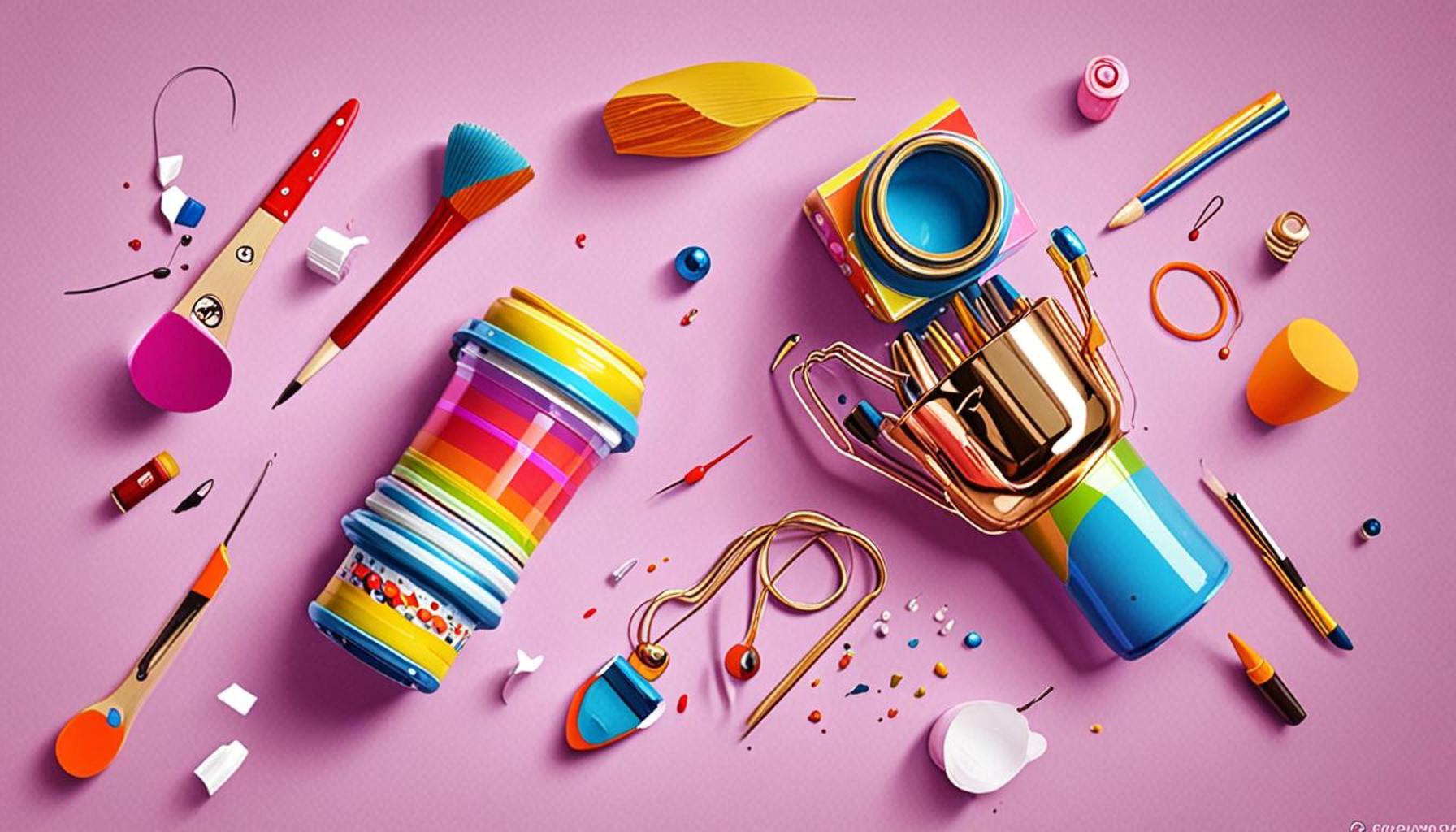
As society moves towards more sustainable practices, the art of decoupage has emerged as a popular, innovative solution to breathe new life into items that may otherwise be discarded. This craft involves gluing decorative paper onto various surfaces to create unique and artistic designs. With decoupage, the mundane can be transformed into the extraordinary, offering not just a creative outlet, but also a way to repurpose and recycle.
Think about your space—an old ceramic vase left in a corner, collecting dust. With decoupage, it could take on a new persona, bursting with color and patterns that reflect your personality. The beauty of this craft is in its infinite possibilities. Here are just a few ideas to inspire your own decoupage projects:
- Furniture Restoration: Have an old chair that has seen better days? Consider revitalizing it with colorful patterns, using decoupage to apply printed fabrics or wallpaper designs. Imagine a once-forgotten piece now becoming a stunning focal point in your living room.
- Home Accessories: Simple items like picture frames or mirrors can be enhanced with delightful images that resonate with your experiences. By adding travel postcards, family photos, or even fabric remnants, you create a unique showcase of memories.
- Gift Items: Personalizing gift boxes or notebooks through decoupage can turn everyday presents into heartfelt treasures. Wrap a notebook with inspirational quotes or decorate a box with a loved one’s favorite motifs for a truly memorable gift.
However, decoupage isn’t merely about gluing decorative paper; it’s a fusion of techniques and materials that allows for immense creativity. Here’s why decoupage captivates both beginners and seasoned artists alike:
- Flexibility: The craft involves using various substrates—from wood to glass—along with visuals such as newspapers, magazines, or even fabric, allowing for a broad array of designs. The options are nearly limitless, which can help in expressing individual creativity.
- Affordability: One of the most appealing aspects of decoupage is it can be achieved on a budget. Local markets in Nigeria offer a variety of decorative papers and tools at competitive prices, making the art form accessible.
- Accessibility: Most of the materials needed for decoupage are commonly found at home, such as adhesive, scissors, and any decorative paper. This accessibility encourages people to gather around this engaging hobby.
In Nigeria, the rising trend of upcycling and DIY projects has made decoupage an increasingly relevant practice. With communities valuing creativity and sustainability, this craft can not only enhance your home environment but also serve as a testament to your artistic journey. As you embark on this delightful craft, be prepared to weave tales of creativity into your surroundings, personalizing spaces in imaginative ways while contributing positively to the environment.
RECOMMENDED: Check out this similar article
Unleashing Creativity with Decoupage
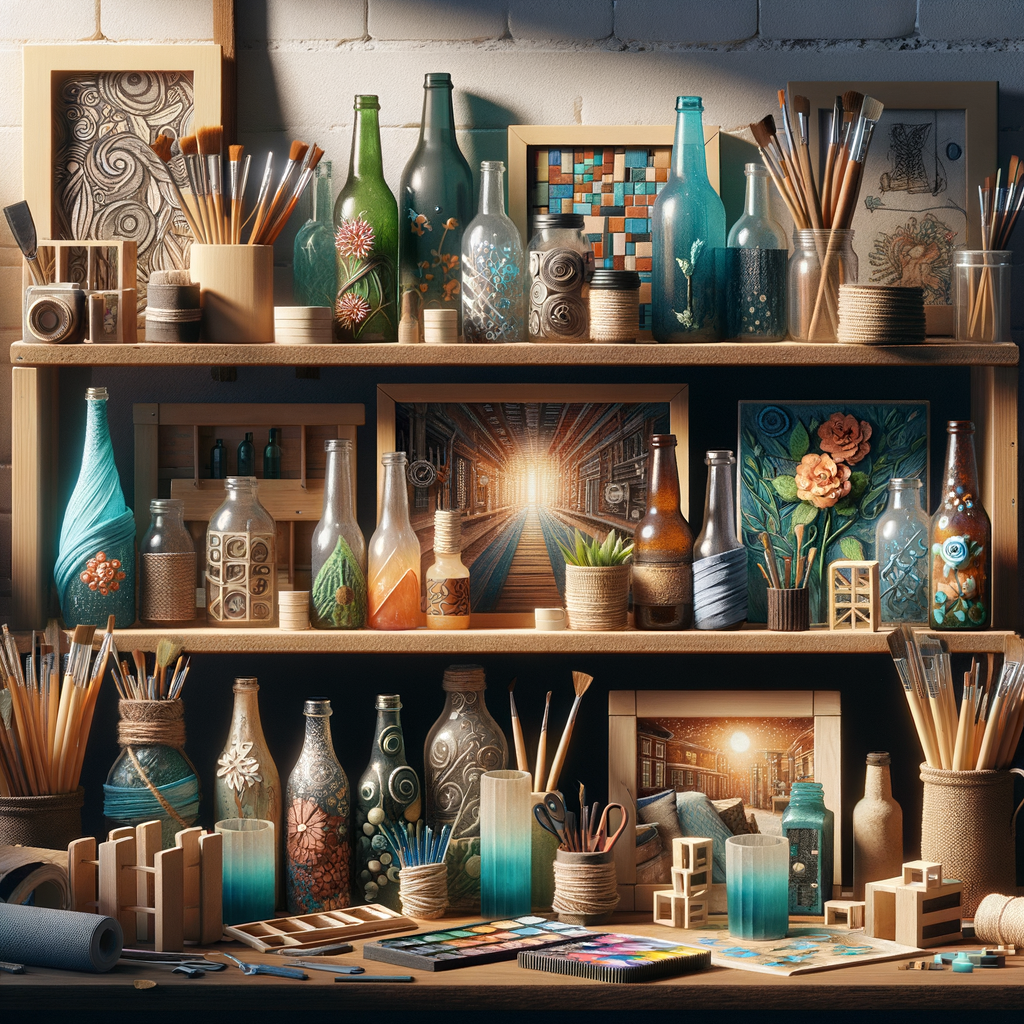
The charm of decoupage lies in its ability to transform ordinary objects into stunning decorative art pieces with a few simple techniques. For those unfamiliar with the process, it primarily involves layering decorative paper with an adhesive to create depth, texture, and a personalized touch. Whether you are a novice or a skilled artisan, understanding a few key techniques can elevate your decoupage projects to new heights.
At its core, achieving a successful decoupage requires mastering a few fundamental skills. Here are some essential techniques every decoupage enthusiast should know:
- Preparation: Before diving into your project, it is crucial to properly prepare your base. Start by cleaning the surface thoroughly, ensuring it is free from dust and grease. For wooden objects, sanding may be necessary to create a smooth canvas for your artwork. Local markets often offer simple tools for this preparation phase.
- Choosing the Right Adhesive: The adhesive plays a significant role in the outcome of your project. Popular choices include PVA glue, mod podge, or even wallpaper paste. Each has its unique properties; however, PVA glue is widely favored due to its ease of use and quick drying time. It’s readily available in Nigeria, making it a practical option for artists.
- Layering Techniques: One of the most rewarding aspects of decoupage is the ability to layer materials. Start by choosing your base layer, typically a patterned paper or fabric, and apply it with your chosen adhesive. Once dry, you can continue layering images, textures, or even three-dimensional embellishments to achieve a profound visual effect.
- Sealing the Design: After the layers are complete, sealing your artwork enhances durability and adds a protective finish. A top coat of clear sealant or varnish can be applied, ensuring that your piece remains vibrant and resistant to wear and tear over time. This step is especially important in humid climates, like many regions in Nigeria, where moisture can affect the integrity of creative works.
With a growing interest in upcycling in Nigeria, decoupage provides an exciting platform to express one’s creativity while promoting sustainability. Using materials that are often overlooked, such as discarded magazines or leftover fabric, artists can help reduce waste while crafting unique pieces that resonate with cultural stories and personal narratives.
The beauty of decoupage is that it encourages experimentation and self-expression. As you explore different techniques, don’t hesitate to think outside the box. Blend patterns, colors, and textures that speak to you, allowing the merging of influences that can shape individual styles. With practice and exploration, your decoupage art can tell a story that captivates both the creator and the beholder.
| Advantages | Details |
|---|---|
| Creative Expression | Decoupage allows individuals to showcase their artistic vision by transforming ordinary objects into personalized masterpieces. |
| Cost-Effectiveness | Utilizing common household items reduces costs significantly, turning unused possessions into stunning decorative pieces without the need for expensive materials. |
Delving into the world of decoupage techniques, one quickly realizes that the possibilities are endless. For those eager to engage in a rewarding DIY project, transforming everyday items – such as wooden boxes, picture frames, and furniture – into decorative art pieces becomes both an enjoyable challenge and an avenue for personal expression. The use of various papers, patterns, and adhesives creates a tapestry of opportunities for artists at any skill level. Furthermore, the environmental aspect of decoupage cannot be overlooked. By repurposing items destined for the landfill, creators contribute to a more sustainable lifestyle. This trend toward recycling fosters a deeper connection with material culture, as transforming objects through decoupage not only retains their original purpose but enhances their visual appeal.With the increase in online tutorials and community workshops dedicated to this craft, learning the intricacies of decoupage has never been easier or more engaging. Whether as a hobby or a potential source of income through selling crafted items, the allure of decoupage continues to capture the imagination of countless enthusiasts globally.
CHECK OUT: Click here to explore more
Advanced Techniques to Enhance Your Decoupage Skills
Once you’ve grasped the foundational skills of decoupage, it’s time to explore more advanced techniques that can truly set your artwork apart. These methods not only help in achieving intricate designs but also allow you to customize your projects further, providing endless possibilities for innovation.
- Three-Dimensional Decoupage: Add depth to your creations by incorporating three-dimensional objects. Items like beads, buttons, flowers, or lightweight wooden embellishments can elevate your design. Begin by adhering a base layer of paper, then strategically glue the three-dimensional elements on top for added interest. This technique not only enhances visual appeal but also provides a tactile experience that captivates the audience.
- Mixed Media Decoupage: This approach marries decoupage with other art forms, such as painting, drawing, or even photography. By combining different mediums, you can create a multi-layered narrative that reflects your unique perspective. For example, painting a background scene and then layering cut-out images can create an immersive world within your artwork. In local art spaces across Nigeria, mixed media is gaining prominence, as it allows artists to integrate cultural elements into their work seamlessly.
- Decoupage on Unconventional Surfaces: While wood and canvas are popular options for decoupage, don’t shy away from using unconventional materials. Glass, metal, or even ceramics can be transformed into stunning decorative pieces. When working with non-porous surfaces, ensure the surface is well-prepared by cleaning it thoroughly. Additionally, using a strong adhesive and a proper sealing process is crucial for ensuring that your artwork withstands the test of time.
- Varnish Techniques: Varnishing not only seals your project but also adds an extra layer of creativity. Glossy finishes can enhance colors, making them pop, while matte finishes provide a more subtle effect. Experimenting with different varnish types allows you to dictate the mood of your piece. For example, using high-gloss varnish can give a modern touch, while matte can convey a vintage feel.
As the decoupage movement grows, community workshops are becoming more prevalent in cities across Nigeria. These gatherings offer an opportunity for artists to share techniques, ideas, and inspiration. Engaging with fellow artists not only fosters collaboration but also provides valuable feedback that can inspire new directions in your work. Additionally, with the seamless integration of cultural motifs found in traditional Nigerian fabrics and patterns, artists can create pieces that resonate with local narratives, further enriching the art’s story.
Incorporating digital elements is another contemporary twist on decoupage. By printing images from digital resources, you can blend traditional techniques with modern technology to create unique pieces that appeal to younger audiences. This approach opens a new avenue for storytelling, allowing artists to explore themes relevant to their community through illustrative artworks.
Finally, the beauty of decoupage lies in its flexibility. Artists should feel empowered to adapt these techniques to fit their vision. Whether you’re transforming a simple household item into a stunning centerpiece or creating a narrative through mixed media, the possibilities are endless. Decoupage not only yields beautiful results but also encourages an exploration of culture, identity, and the reclaiming of objects into meaningful art.
RECOMMENDED: Check out this similar article
Conclusion: The Transformative Power of Decoupage
Decoupage is more than just a crafting technique; it is a powerful means of expression that transforms common objects into decorative art pieces. As we’ve explored, advanced techniques such as three-dimensional layering, mixed media integrations, and unconventional surface applications enhance the creativity involved in decoupage, allowing artists to experiment and innovate.
Moreover, the rise of community workshops across Nigeria serves as a testament to the increasing popularity of this art form. Here, artists connect and collaborate, sharing ideas and techniques while drawing inspiration from rich cultural heritage. By incorporating local motifs and narratives, artists not only keep traditional practices alive but also create artworks that resonate deeply within their communities.
The introduction of digital elements further modernizes decoupage, offering artists the chance to engage with contemporary themes and audiences through their work. This blending of the old and the new broadens the horizons of decoupage techniques, allowing for limitless possibilities and new storytelling methods.
Ultimately, decoupage encourages a journey of personal expression and creativity. It invites you to look beyond the ordinary and see objects as canvases for your imagination. So whether you are a seasoned artist or a curious beginner, embracing this versatile technique can lead to the creation of unique, meaningful pieces that embody your artistic vision. Dive into the world of decoupage and let the transformation begin—your next masterpiece awaits!