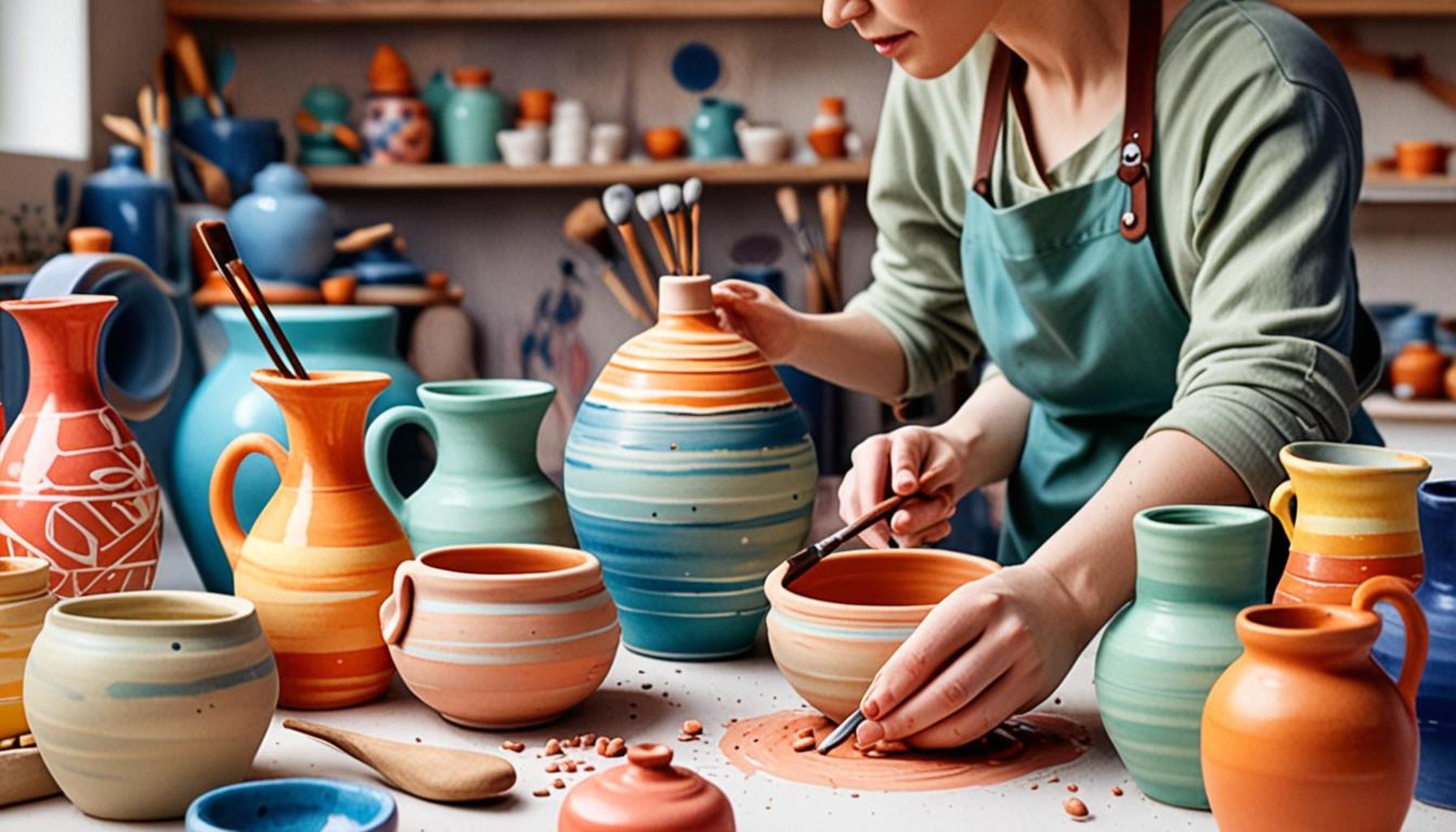
Clay Sculpture Techniques: Shaping Forms and Textures for Unique Creations
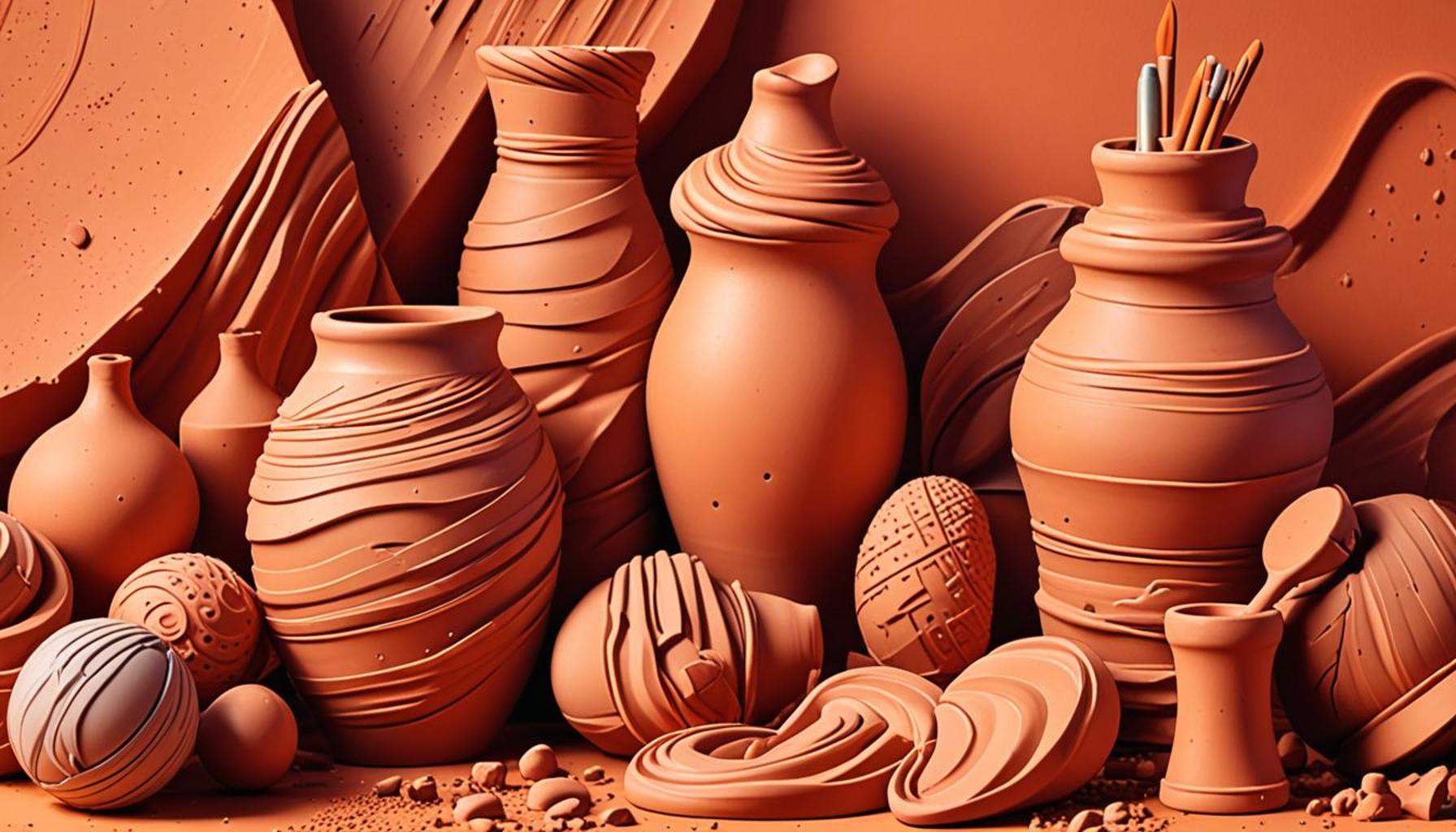
Unleashing Creativity with Clay
Clay, a remarkable and versatile medium, opens up endless avenues for artistic expression. From monumental sculptures to delicate pottery, the variety of projects that can be conceived is limited only by one’s imagination. With the right clay sculpture techniques, sculptors can transform simple blocks of earth into captivating forms that resonate with viewers. This journey into the world of clay not only showcases individual creativity but also intertwines tradition with the innovations of modern artistry.
Essential Techniques to Explore
Mastering the essentials can significantly elevate your clay creations. Here are some key techniques worth exploring:
- Hand-building: This tactile approach is ideal for both beginners and experienced artists. Techniques such as pinching, coiling, or slab construction allow one to create unique and personalized shapes. Beginner workshops in places like Lagos often focus on hand-building, enabling participants to connect physically with their art.
- Throwing: Using a potter’s wheel allows for the creation of symmetrical forms. This technique requires practice but results in beautiful pieces like bowls, vases, or plates, often seen in craft markets across Nigeria. Artisans who excel in throwing can produce pieces that are not only functional but also aesthetically pleasing.
- Carving and Texturing: Adding depth and character to your work can be achieved through innovative surface designs. Techniques such as adding grooves, patterns, and elaborate textures invite viewers to explore the piece further, evoking deeper emotional connections.
- Glazing: This technique enhances the final piece with colors and finishes that reflect the artist’s intent. Nigerian artists frequently experiment with natural dyes and glazes, incorporating organic elements that pay tribute to local culture and aesthetics.
In Nigeria, traditional clay art forms such as the renowned Isiagu masks and Fulani pottery illustrate a rich cultural heritage. These iconic representations not only preserve history but also serve as a source of inspiration for contemporary sculptors. Artists often blend traditional styles with their vision, creating modern pieces that resonate with both local and global audiences, thereby sustaining the narrative of their ancestry.
Discovering Your Unique Style
As you immerse yourself in these techniques, think about how they can shape your artistic voice. Experimentation is essential; try combining various methods and materials to discover what resonates most with you. Every creation transcends mere functionality; it tells a story, inviting viewers into the artist’s narrative. The beauty of working with clay lies in its ability to evolve and adapt, much like the artist’s journey itself.
Ultimately, the exploration of clay as a medium encourages not only the growth of personal creativity but also the preservation of cultural identities. From local workshops in Abuja to galleries in Port Harcourt, the impact of clay art continues to inspire, unite, and enthrall those who encounter it.
ADDITIONAL INSIGHTS: Expand your understanding here
Exploring Clay Sculpture Techniques
In the realm of clay sculpture, the techniques used play a pivotal role in determining the outcome of each piece. Artists experimenting with clay quickly discover that certain methods lend themselves to specific forms, while others are ideal for creating intricate textures. By understanding and mastering these techniques, sculptors can push the boundaries of their creativity and produce works that not only impress but also convey deeper meanings.
Hand-Building Techniques
Hand-building serves as one of the fundamental ways to manipulate clay without the use of mechanical tools. This approach allows for a high degree of personalization and freedom. The main hand-building techniques include:
- Pinching: Starting with a ball of clay, artists use their fingers to pinch and shape the material, yielding organic forms. This method often results in unique shapes that are imbued with the artist’s touch, making it a popular choice for beginners.
- Coiling: This technique involves rolling out ropes of clay and stacking them to build up walls. Coiling is especially effective for larger, sculptural pieces and allows for a range of textures and designs. Craftsmen in Nigeria often use this method to create traditional cooking pots or decorative vases.
- Slab Construction: By rolling out flat sheets of clay, artists can cut and assemble these slabs into various shapes. This method is excellent for creating geometric forms and is frequently employed in contemporary pottery workshops where symmetry is appreciated.
Each of these hand-building techniques promotes a unique interaction with the clay, inviting creators to explore their own styles while also considering the cultural significance of the shapes they produce. In Nigeria, for example, artisans frequently infuse local stories and folklore into their clay work, preserving the essence of their heritage while embracing innovative practices.
The Art of Throwing
For sculptors seeking a more uniform and polished finish, throwing on a potter’s wheel offers a captivating route. This technique requires practice, patience, and precision, making it an enticing challenge for many artists. When working with the wheel, the clay is centered and spun, allowing the artist to sculpt symmetrical forms through their skillful manipulation.
Throwing is not just limited to pottery; it can also be adapted for sculptural presentations. Artisans who master this technique often create visually striking items such as elegant bowls and vases, which are increasingly sought after in both local and international markets. As clay spins, artists can be inspired to mold abstract shapes, intertwining traditional designs with modern sensibilities.
As we delve deeper into clay sculpture techniques, it becomes evident that both hand-building and wheel-throwing hold distinct advantages. Their versatility allows artists to select methods that align with their creative vision, setting the stage for truly unique artistic expressions. With each stroke, pinch, or coil, sculptors not only shape the clay but also sculpt their own artistic identity, paving the way for a rich tapestry of cultural dialogue.
Exploring Advanced Techniques in Clay Sculpture
As we delve deeper into the realm of clay sculpture, it becomes essential to understand the transformative techniques that can take a simple lump of clay and evolve it into a breathtaking piece of art. Various methods, from additive to subtractive processes, offer sculptors the flexibility to mold their visions into tangible forms. One popular technique is known as coiling, where long, snake-like strands of clay are layered upon each other to build an object. This method not only allows for intricate designs but enhances texture, giving the artist the opportunity to play with both visual and tactile elements. Another innovative approach is slab building, which involves rolling out flat pieces of clay that can be shaped and combined. This technique is particularly effective for creating geometric sculptures with clean lines, showcasing minimalist aesthetics. Artists embarking on this method are limited only by their imagination and the qualities of their chosen clay.The pinch method is also worth mentioning, as it leverages the sculptor’s hands to manipulate the clay into forms. This technique fosters a direct connection between the artist and their medium, providing a unique touch that speaks volumes in the finished piece.Additionally, embracing different types of tools can significantly enrich textures. Tools like loop tools and rakes can create various patterns and intricate details that transform the surface of the sculpture. Transitioning from traditional techniques to experimental ones opens new avenues for creativity and artistic expression. Whether you are crafting for display, practical use, or personal expression, understanding and harnessing these techniques enhances not only your artistry but your connection with clay as a medium for infinite potential. To further facilitate your journey through these techniques, consider exploring local workshops or online resources that offer guided lessons in advanced clay sculpture methods. The world of clay is vast and inviting—immerse yourself in it and discover the unique creations that await your hands.
| Technique | Advantages |
|---|---|
| Coiling | Allows for intricate designs and enhances texture. |
| Slab Building | Creates geometric shapes with clean lines and minimalist aesthetics. |
| Pinch Method | Offers a direct connection between the artist and the clay, enhancing the personal touch. |
| Texturing Tools | Transforms surface elements of your sculpture, adding depth and interest. |
LEARN MORE: This related article may interest you
Advanced Techniques in Clay Sculpture
While hand-building and throwing are essential clay sculpture techniques, there exists a treasure trove of advanced methods that elevate artistry and textural intricacy to new heights. These approaches further expand an artist’s ability to create unique narratives and visual statements through clay. Understanding these advanced techniques allows sculptors to explore a more comprehensive range of expressions and materials.
Carving and Additive Methods
One of the striking characteristics of clay is its adaptability. Carving allows artists to modify surfaces, adding visual depth to their creations. By using tools to remove clay systematically, artists can unveil underlying textures or designs. This technique is particularly prominent in cultural traditions, such as the indigenous art of the Efik people in Nigeria, where intricate carvings are employed to narrate ancestral stories or represent spiritual beliefs.
Additive methods, on the other hand, invite sculptors to build onto their forms rather than subtracting from them. Artists can append details, such as limbs or facial features, to already crafted pieces, giving life to their sculptures in a three-dimensional way. This technique is essential in character modeling and fantasy sculptures, where fine details create dramatic focal points. A vivid example can be seen in the work of contemporary Nigerian artists who blend traditional themes with modern aesthetics through the use of additive components, from delicate headpieces to elaborate garments.
Mixed Media Techniques
Incorporating various materials offers sculptors vast creative leeway. Mixed media techniques involve the integration of clay with other materials, such as metal, glass, or fabric, enhancing visual richness and narrative complexity. This experimentation can produce stunning results, allowing for contrasts between textures, colors, and finishes.
Some Nigerian artists are known to employ mixed media to reflect their multicultural heritage and societal narratives. By contrasting clay with retrieved materials, such as recycled plastics or local textiles, these artists create sculptures that resonate with environmental consciousness while preserving cultural significance. This approach not only generates discourse but also inspires future generations to rethink their materials and their impact on the world.
Surface Treatments and Glazing
The final appearance of a clay sculpture is deeply influenced by surface treatments and glazing. These techniques add layers of color, texture, and sheen to the finished work. Surface treatments can include painting, staining, or adding slips that alter the clay’s surface before firing. Each of these methods offers an opportunity to enhance the narrative of the sculpture through color symbolism and texture sensation.
Glazing, however, is a transformative process that enables artists to achieve a waterproof finish and adds a pleasing sheen. Various types of glazes can evoke diverse natural elements, such as earthy tones reminiscent of the rich soils of Nigeria or vibrant shades reflecting local festivals. The choice of glaze can speak volumes about the artist’s intention, making it a critical component in the final presentation of their clay sculptures.
As artists explore these advanced techniques, they enter a realm where innovation meets tradition, revealing new pathways for creative expression while honoring the rich cultural tapestry of their heritage. Each technique not only enhances the aesthetic appeal of the sculptures but also enriches the stories they tell, contributing to the larger narrative of clay artistry in Nigeria and beyond.
CHECK OUT: Click here to explore more
Conclusion
In the vibrant world of clay sculpture, the exploration of various techniques unleashes a boundless potential for creative expression. From the foundational methods of hand-building and throwing to the intricate techniques of carving, additive methods, mixed media, surface treatments, and glazing, artists can define their unique narratives and visual stories. Each technique not only contributes to the aesthetic quality of the sculpture but also enriches the deeper cultural and emotional contexts that clay embodies.
Nigerian artists, in particular, are at the forefront of this evolution, merging traditional craftsmanship with modern innovation. By embracing mixed media approaches, they contextualize their work within the broader themes of sustainability and cultural significance, allowing their sculptures to resonate with both local and global audiences. The thoughtful choice of glazes and surface treatments further enhances these creations, bridging the gap between past traditions and contemporary aesthetics.
As you delve into the rich tapestry of clay sculpture techniques, consider how these art forms not only shape physical materials but also seek to convey profound messages about identity, heritage, and the human experience. The journey of discovery is endless, and each technique represents a new opportunity to transform the ordinary into extraordinary. Explore these methods, and allow your talent to shape forms and textures that spark conversations and inspire future generations of artists.