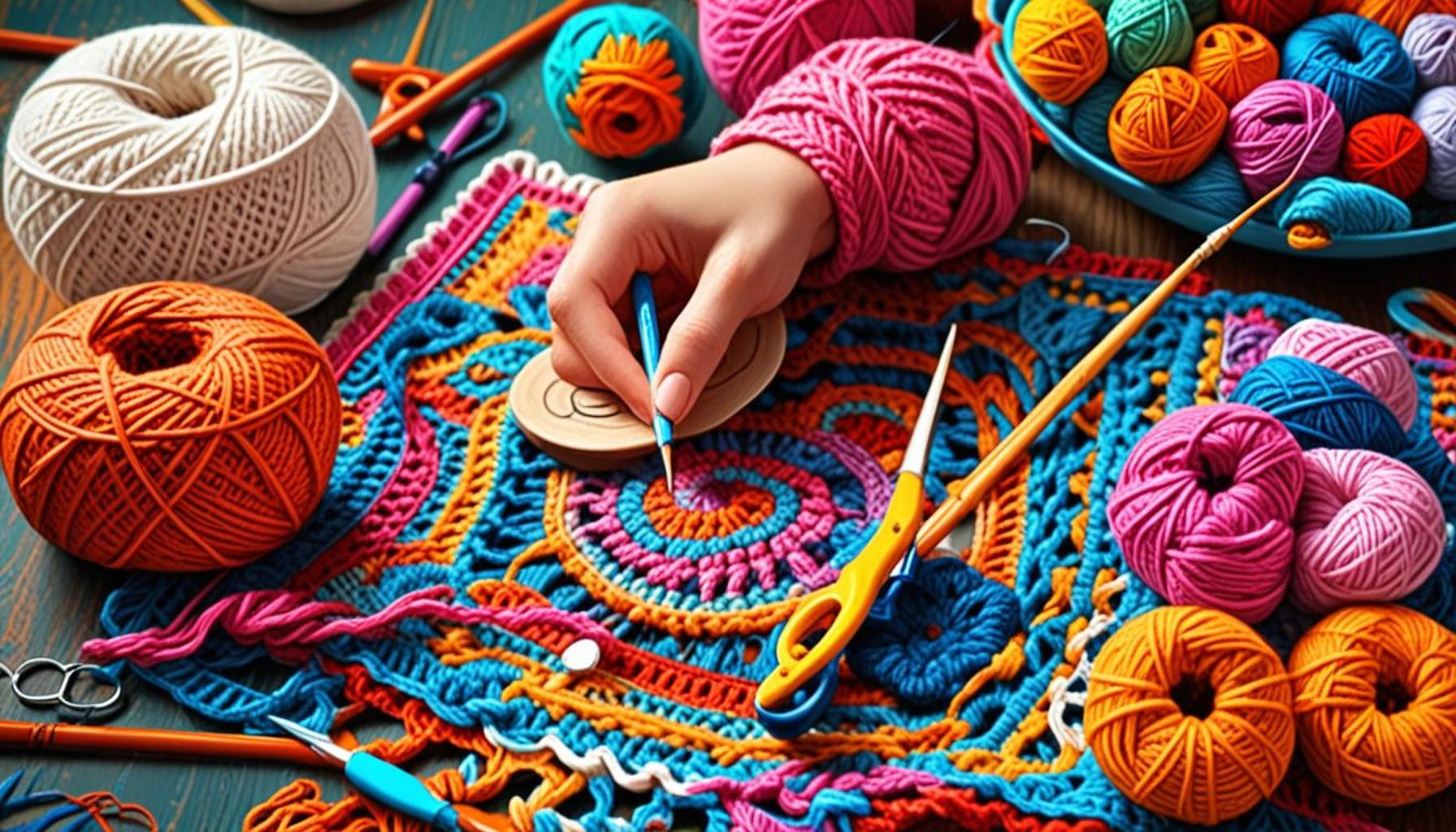
Fabric Painting Techniques: Creating Unique Pieces with Custom Prints
The Charm of Fabric Painting
Fabric painting is an art form that uniquely blends creativity and textile design, offering a means to transform fabric into vibrant works of art. It allows artists to customize clothing, accessories, and home textiles, thereby enhancing their personal style as well as adding character to their surroundings. This transformative process is not limited to just one style or technique; rather, it encompasses a variety of methods that cater to different skill levels and artistic intentions.
In Nigeria, fabric painting has gained immense popularity, thanks in large part to the country’s rich cultural heritage and the colorful patterns that can be found in its traditional garments. From intricate adire patterns of the Yoruba people to the bright, bold hues of the Owerri fabric, the potential for creative expression is boundless. Artists and hobbyists across the nation are increasingly embracing diverse painting techniques, weaving their own stories into the vibrant textile landscape.
Exploring Key Fabric Painting Techniques
Each fabric painting technique provides unique opportunities for artistic expression, allowing creators to engage with textiles in innovative ways. Here are some prominent techniques worth exploring further:
- Stencil Painting: This technique involves using pre-made templates to create sharp and precise designs on fabric. Stencils can range from simple geometric shapes to detailed floral motifs, making it easy to produce consistent patterns. For those interested in Nigerian traditional motifs, stencils featuring tribal symbols can add a significant cultural touch to garments.
- Freehand Painting: Here, the artist takes liberty with their brush, allowing for spontaneous expression and individual creativity. This method is ideal for creating one-of-a-kind designs that reflect personal emotions and statements. Some Nigerian artists, for instance, may depict storytelling scenes or vibrant market scenes inspired by their environment.
- Block Printing: In this age-old technique, artists carve designs into wood or linoleum blocks to create repeating patterns on fabric. The tactile nature of this method makes it especially appealing, as each print carries unique imperfections, celebrating the handmade quality. This traditional technique resonates well within the cultural tapestry of Nigeria, where many artisans produce intricate blocks that echo the nation’s design heritage.
- Dye Painting: Combining dyes and paint allows artists to achieve deep and layered effects that can transform a plain fabric into a stunning visual masterpiece. This technique can be utilized to create a blend of colors, enhancing the fabric’s aesthetic appeal. Nigerian artists may use natural dyes from local plants to honor cultural traditions while experimenting with modern paint techniques.
Each of these techniques presents its own set of challenges and rewards. By experimenting with them, artists can hone their skills and develop a distinctive artistic voice that stands out. Whether you are a seasoned artist or a curious beginner, fabric painting opens avenues for creative exploration and personal expression, allowing you to create pieces that resonate on a cultural and emotional level.
As you embark on your fabric painting journey, consider how these techniques can be adapted to reflect your own style and the stories you wish to tell through your artwork. The rich traditions and vibrant colors of Nigeria offer an endless source of inspiration that can elevate your fabric creations to new heights. Each brushstroke not only celebrates artistry but also encapsulates the dynamic interplay of culture and creativity that defines Nigeria today.

YOU MAY ALSO LIKE: Read read another article
Diving Deeper into Fabric Painting Techniques
Fabric painting is more than just a craft; it is a celebration of culture, individuality, and creativity. As artists, we have the power to imprint our personalities and narratives onto textiles, turning them into meaningful expressions of art. When it comes to fabric painting techniques, understanding the different methods available can enhance the appeal and uniqueness of each piece.
Let’s explore some of the standout techniques that are taking the fabric painting community by storm, especially in Nigeria where tradition and modernity intertwine:
- Fabric Spray Painting: This exciting technique uses fabric paint in a spray form, which allows the artist to create soft edges and gradients. This method is particularly popular for larger fabric pieces, such as wall hangings or statement clothing items. The dynamic range of colors that can be achieved this way makes it possible to produce stunning contemporary designs inspired by Nigerian landscapes or cultural festivities.
- Resist Techniques: Resist methods, such as batik, involve applying a barrier (like wax or a special resist solution) on fabric areas that one wants to keep untouched during dyeing or painting. These techniques create breathtaking designs that juxtapose rich colors with untouched fabric. In Nigeria, traditional batik has evolved with modern influences, allowing today’s artists to merge classic motifs with contemporary color palettes.
- Textile Markers: The versatility of textile markers makes them an ideal choice for both seasoned artists and beginners. They enable precise designs and are perfect for detailing and outlining. With the vast variety of colors available, artists can add intricate details to larger painted areas, resulting in unique patterns reminiscent of the vibrant Yoruba or Igbo cultural designs.
- Screen Printing: This method involves pushing ink through a stencil on a finely meshed screen. It’s particularly effective for producing bold, repeatable designs. Thanks to its ease of use and ability to replicate designs efficiently, many Nigerian designers utilize screen printing to bring their unique visions to life on a larger scale, making it an essential technique in the world of fabric art.
Each of these fabric painting techniques offers artists a unique lens through which to express their craft. As creativity flows, so does the opportunity to create custom prints that are not only visually striking but also steeped in personal meaning and cultural significance. Exploring these methods can spark inspiration, pushing artists to embrace their cultural roots while redefining the art of fabric painting.
As you ponder over these techniques, consider how they relate to your own creative journey. Can stencil designs echo stories of your family heritage? Could you blend vibrant dye painting with traditional designs to create something entirely new? Experimenting with these techniques can lead to singular pieces that capture your essence and connect with the broader narrative of Nigerian art and culture.
| Technique | Advantages |
|---|---|
| Silk Screen Printing | Allows for vibrant colors and detailed designs, perfect for creating bold and intricate patterns. |
| Fabric Stamping | Easy to use, creating customized pieces quickly, while allowing various textures and shapes. |
| Tie-Dye Techniques | Enables unique, one-of-a-kind designs that appeal to those looking for bold, expressive art forms. |
| Airbrushing | Creates soft gradients and detailed illustrations, making it ideal for artistic fabric pieces. |
The realm of fabric painting techniques offers an expansive array of creative opportunities to craft unique pieces. Each method has its own set of characteristics that can transform ordinary textiles into stunning works of art. For example, silk screen printing not only ensures that colors remain vivid but also facilitates the reproduction of complex designs, making it a go-to choice for fashion enthusiasts. Fabric stamping, on the other hand, opens the door to accessibility, allowing anyone to infuse their personality into their designs. The art of tie-dye can generate a kaleidoscope of colors, resulting in garments that are both fun and personalized. Meanwhile, airbrushing stands as the perfect technique for artists seeking to achieve flawless gradients, merging realism with fabric in a captivating way. Each of these methods serves to enhance the fabric painting landscape, making it ripe for exploration and creative expression.
YOU MAY ALSO LIKE: Read read another article
Innovative Fabric Painting Techniques to Ignite Your Creativity
As artists continue to experiment and innovate, the world of fabric painting reveals exciting new techniques that expand the boundaries of creativity. By combining traditional styles with modern approaches, artists in Nigeria are discovering unique methods to create custom prints that resonate with their identity, culture, and vision. Let’s explore some of these innovative techniques that are transforming fabric painting into an extraordinary art form.
- Digital Fabric Printing: This cutting-edge technique involves using digital technology to print high-resolution images directly onto fabric. Artists can create intricate designs and patterns that would be virtually impossible to achieve by hand. In Nigeria, designers are leveraging digital fabric printing to produce custom prints that reflect their heritage, merging traditional motifs with contemporary themes. This not only elevates the aesthetic appeal of the fabric but also makes it easier to mass-produce bespoke designs for fashion and home decor.
- Marbling Techniques: Marbling is an ancient art form that involves floating inks or paints on liquids to create mesmerizing patterns on fabric. Artists often use this technique to incorporate ethereal designs reminiscent of Nigeria’s vibrant waterways. Carefully manipulating the colors and patterns allows for the creation of unique, one-of-a-kind pieces, ensuring that no two fabrics are ever the same. The transformative nature of marbling captivates wearers and observers alike, elevating fabric painting to a new level of artistry.
- Stenciling and Layering: Stenciling is a popular technique for creating bold shapes and patterns, as it involves applying paint through a pre-cut design template onto the fabric. Layering different stencil designs can lead to intricate, depth-filled creations that capture the eye. Nigerian artists often employ this technique to tell stories, using symbols and shapes that reference their cultural backgrounds, making each print a narrative that resonates deeply with the wearer.
- 3D Fabric Painting: This technique allows artists to create textured surfaces on fabric using fabric paints infused with elements like sand, beads, or other materials. This not only adds a tactile dimension to the artwork but also enhances visual appeal. Many Nigerian textile artists are embracing 3D fabric painting, incorporating local materials to create pieces that are as dynamic as they are beautiful—a true representation of the rich textures found in Nigeria’s landscapes and cultures.
- Natural Dyes and Eco-Friendly Practices: The movement toward sustainable art is gaining momentum, with many fabric painters opting for natural dyes sourced from plant materials, minerals, and insects. This technique is deeply rooted in Nigerian history, as traditional dyeing practices such as indigo dyeing have been utilized for centuries. By reviving these eco-friendly practices, artists not only enrich their work with a sense of history but also contribute to the sustainable art movement, appealing to environmentally-conscious consumers.
Each innovative technique offers the opportunity to explore new artistic avenues and reflect personal and cultural narratives through textile art. The fusion of traditional and modern methods enhances the fabric painting landscape, inviting artists in Nigeria and beyond to delve into a world where creativity knows no bounds. As these techniques continue to evolve, the potential for creating unique pieces with custom prints will undoubtedly inspire future generations of fabric artists.
ADDITIONAL INSIGHTS: Expand your understanding here
Conclusion: The Future of Fabric Painting and Custom Prints
In an era where artistic expression knows no limits, fabric painting techniques have emerged as a vibrant canvas for creativity, particularly within Nigeria’s rich cultural tapestry. From the advanced precision of digital fabric printing to the organic allure of natural dyes, each technique offers artists the ability to convey unique stories and personal narratives through fabric. The tools and styles explored here not only allow for breathtaking visual aesthetics but also foster connections to cultural roots, especially as local artisans incorporate traditional elements into modern designs.
The revival of methodologies such as marbling and stenciling emphasizes the importance of craftsmanship, encouraging a new generation of artists to view fabric not just as a material, but as a medium of storytelling. With the integration of 3D fabric painting and sustainable eco-friendly practices, artists can elevate their work while contributing positively to the environment—a critical consideration in today’s world.
The continual evolution of these fabric painting techniques promises to inspire future creativity, urging artists to experiment, innovate, and collaborate. Whether it’s through intricate patterns or textured layers that stimulate the senses, custom prints serve as a testament to individuality and cultural heritage. As the fabric arts scene flourishes, it beckons all creatives to explore the boundless possibilities that await, encouraging a journey into the heart of artistic identity.