
The Role of Habit Formation in Maintaining a Clutter-Free Home
Understanding the Power of Habit in Home Organization
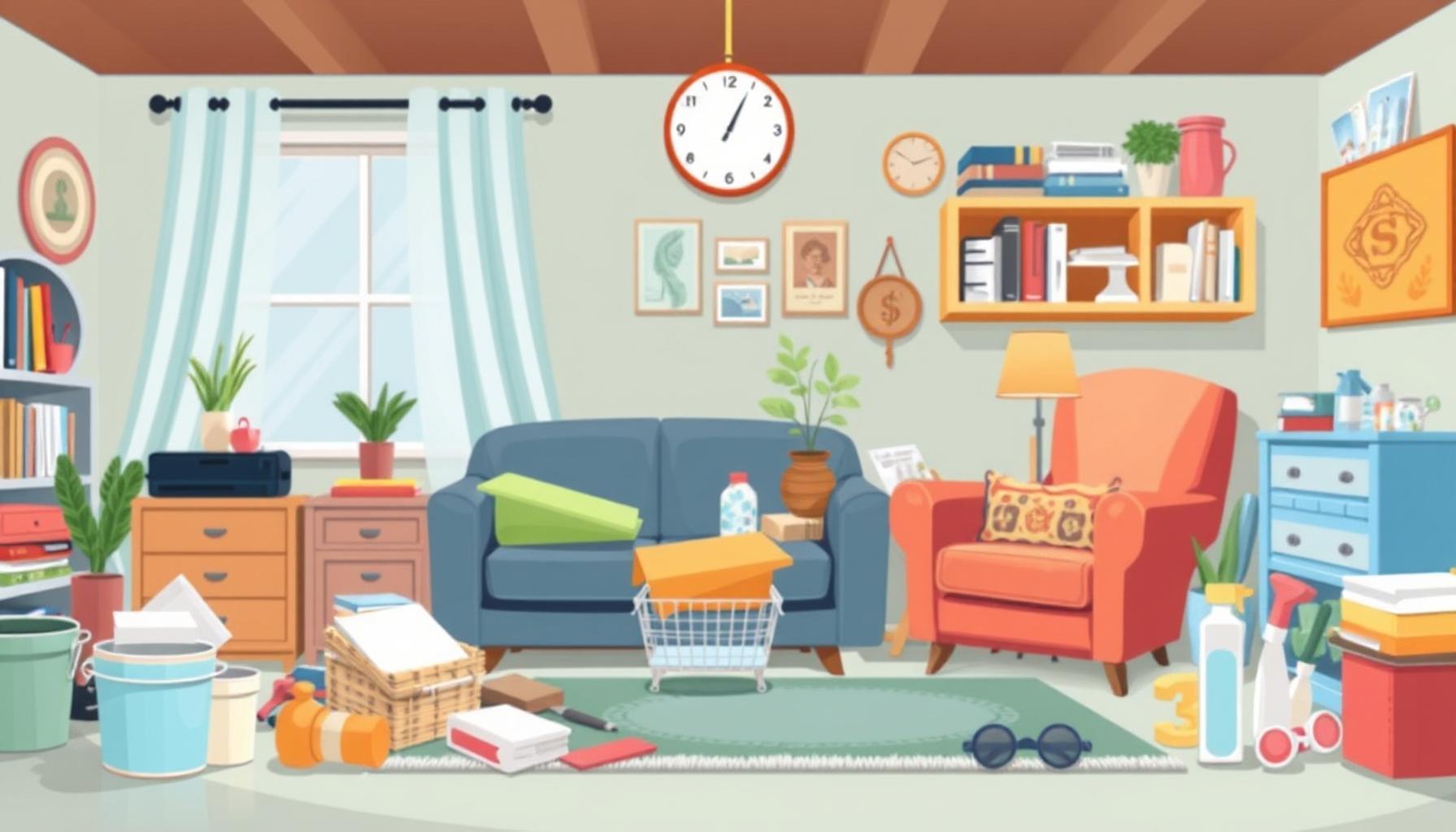
Every corner of your home tells a story, yet clutter often drowns out the narrative. Maintaining a clutter-free environment is not just about cleaning; it involves some powerful habit formations. These habits can lead to long-lasting changes that keep your space organized and serene.
Why are habits so crucial? Here are some compelling reasons:
- Consistency: Regular practices develop into routines that make decluttering feel second nature. For instance, if you make it a habit to put items back in their designated places immediately after use, you will find that your home stays much tidier on a day-to-day basis.
- Mindset Shift: Establishing habits encourages a mindset focused on simplicity and organization. When you routinely assess the items you own and donate or discard things you no longer need, you cultivate a lifestyle that values presence over possession.
- Time Efficiency: Good habits save time in the long run, freeing you from frequent deep cleaning sessions. Regularly dedicating just 10 minutes a day to tidying up can significantly reduce your overall cleaning burdens.
In a world where Americans spend over 6 hours a day engaging with screens, distractions can pile up, both physically and mentally. The constant influx of new information and the lure of entertainment can easily lead to physical clutter in our homes. Adopting simple yet effective habits can combat this trend and provide a peaceful retreat right at home.
Take the 2-minute rule, for example, which encourages you to take immediate action on small tasks. If you come across an item that requires less than two minutes of work—like hanging up a coat or quickly wiping down a countertop—you should do it right then and there. This habit not only enhances your immediate environment but also reduces the mental load, making you feel more in control.
Moreover, creating dedicated zones for essential items, such as having a specific drawer for keys and a basket for mail, can streamline your daily routine. When every item has its place, not only do you avoid clutter buildup, but you also save precious time searching for lost items.
Ready to discover how to implement these changes? Let’s delve into essential practices that can lead to a truly clutter-free home. Start by evaluating your daily habits and identify areas for improvement. By incorporating incremental changes, you will be well on your way to fostering a harmonious living space that reflects your values and lifestyle.
Ultimately, the journey to a well-organized home is more than just a physical endeavor; it is about nurturing habits that cultivate an environment of peace and clarity. Begin today to unlock the transformative power of simplicity in your everyday life.
LEARN MORE: Click here to discover the importance of home sanitizing
Establishing Daily Routines for an Organized Space
Building and maintaining a clutter-free home requires more than just sporadic cleaning; it necessitates the establishment of daily routines that promote organization. When individuals integrate these routines into their daily lives, they cultivate an environment where clutter struggles to take hold. The key lies in creating achievable habits that can easily weave into the fabric of your everyday life.
To start, identifying specific areas of clutter in your home can serve as a launching pad for habit transformation. For instance, common clutter hotspots such as entryways, kitchens, and living rooms often require particular attention. By recognizing these problem areas, you can tailor your habits to address them effectively. Here are some practical strategies that can lead to long-lasting improvements:
- The Nightly Reset: Dedicate 10-15 minutes each night to tidy up. This habit can involve returning items to their rightful places, wiping down surfaces, and ensuring that clutter doesn’t accumulate overnight.
- The Weekly Review: Set aside time each week to reassess your belongings. Determine what items are still necessary, and consider donating or discarding those that don’t serve you. This practice fosters a mindset of intentionality when it comes to your possessions.
- One In, One Out Rule: Adopt the principle of ‘one in, one out’. For every new item you bring into your home, aim to remove an existing one. This habit not only prevents accumulation but also encourages more thoughtful purchasing decisions.
These habitual practices are designed to reduce the mental burden associated with organization. When decluttering becomes habitual, it shifts from being a chore to an integral part of your lifestyle. Psychological studies indicate that our brains are wired to seek patterns; hence, creating routines will equip you with an effective framework to tackle clutter systematically.
Moreover, it is important to understand that habit formation requires patience and persistence. According to research published in the European Journal of Social Psychology, it takes, on average, 66 days for a new behavior to become automatic. This means that while you engage in decluttering practices, don’t be discouraged by occasional setbacks or perceived lack of progress. Consistency is key to reinforcing the habits that will keep your home organized.
As you begin to embrace and implement these habits, you will find yourself not only with a more organized living environment but also a heightened sense of control and tranquility in your day-to-day life. The journey to a clutter-free home is not an overnight task; it is a lifestyle change that rewards your persistence with an inviting and serene space.
The Role of Habit Formation in Maintaining a Clutter-Free Home
Habit formation is a crucial aspect when it comes to establishing and maintaining a clutter-free home. By understanding the psychological and behavioral principles behind habits, one can effectively organize their living space and promote a clean environment. The concept revolves around the idea that consistent behaviors lead to lasting changes. Creating a routine can help individuals develop small, manageable habits that contribute to a clutter-free lifestyle. This could include actions as simple as putting items back in their designated places immediately after use or dedicating a few minutes each day to decluttering a specific area. The key is consistency—over time, these actions can become automatic and require little thought or effort. Moreover, understanding triggers is vital in the habit formation process. Identifying what leads to clutter can empower individuals to proactively alter their environment. For instance, if one tends to leave mail scattered across the kitchen countertop, establishing a designated mail station can reduce this clutter significantly.To support this process, it may be beneficial to incorporate reminders and visual cues throughout the home. Labeling storage bins and regularly assessing one’s belongings can reinforce the habit of keeping spaces organized. Changing one’s mindset around possessions is also a critical factor. Embracing minimalism and recognizing the difference between needs and wants can drastically reduce accumulation, thereby fostering an environment that is more conducive to a clutter-free home.By embedding these habits into daily life, individuals can significantly enhance their spaces, creating not only an aesthetically pleasing environment but also a mental space free from the stress often associated with clutter.
| Category | Description |
|---|---|
| Habit Triggering | Identifying situations that lead to clutter can help modify behavior. |
| Consistent Routines | Establishing regular cleaning and organizing schedules makes maintaining a clutter-free home easier. |
In essence, the process of habit formation is integral to achieving and maintaining a clutter-free home. By cultivating awareness of behaviors, establishing routines, and understanding our surroundings, we can create spaces that reflect our desires for peace and organization.
DISCOVER MORE: Click here for tips on creating a cleaning schedule
Creating a Clutter-Free Mindset Through Habitual Practices
While establishing daily routines is essential for maintaining an organized space, developing a clutter-free mindset is equally important. This involves shifting your perspective on clutter and material possessions, which can ultimately reinvigorate your commitment to the habits you’ve built. To achieve this transformation, consider integrating mindfulness techniques into your daily life.
Mindfulness encourages you to become more aware of your thoughts, feelings, and behaviors, including how you interact with your belongings. According to a study published by the American Psychological Association, mindfulness can help people reduce stress and improve focus, which in turn can lead to a more organized environment. By applying mindfulness to the process of decluttering, you can transform how you perceive your home and the items within it.
Here are a few strategies that can help you cultivate a clutter-free mindset:
- Mindful Decluttering: As you sort through your possessions, practice being present in the moment. Ask yourself questions such as, “Does this bring me joy?” or, “Do I truly need this item?” This conscious evaluation helps you better understand the significance of your belongings and can lead to more intentional decisions about what to keep and what to part with.
- Visualize Your Ideal Space: Take time to visualize how you want your home to look and feel. Create a mental image of your clutter-free environment, focusing on the serenity it brings. This exercise reinforces your commitment to the clutter-free lifestyle, reminding you of the benefits of your habits.
- Affirm Your Progress: Regularly acknowledge your progress in maintaining a clutter-free home. Celebrate your small wins, such as successfully adhering to your nightly reset or completing a weekly review. Positive reinforcement builds motivation and strengthens the neural pathways associated with your new habits.
Incorporating mindfulness into your daily routines can further enhance your ability to maintain a clutter-free home. By recognizing the emotional attachments we form with our belongings, you can foster a deeper understanding of your consumption patterns. Research from the Pew Research Center indicates that Americans own an average of 186 books, a testament to the emotional connections we develop with various items. Learning to release these attachments can open the door to a clearer, more peaceful living space.
Moreover, consider the significant role that your environment plays in habit formation. A tidy space is more likely to encourage good habits than a disorganized one. According to data from the National Sleep Foundation, individuals who sleep in organized environments report better sleep quality, which further emphasizes the interconnectedness of physical space and mental wellbeing. By maintaining a clutter-free home, you create a nurturing environment that supports positive habits, fostering an ongoing cycle of orderliness and clarity.
Ultimately, the journey towards a clutter-free home is as much about developing a sustainable mindset as it is about the physical act of decluttering. Habit formation is a critical element in this journey, which, when approached with a mindfulness perspective, can lead to lasting change and a transformed living environment. As you cultivate these practices, you empower yourself to not only maintain an organized home but also enhance your overall quality of life.
DISCOVER: Click here to find your perfect cleaning routine
Embracing Change for a Clutter-Free Future
The pursuit of a clutter-free home is more than just a fleeting trend; it represents a significant lifestyle shift rooted in habit formation and mindfulness. By establishing consistent routines and integrating reflective practices into your daily life, you set the stage for a transformative experience that touches every aspect of your well-being. The implementation of mindful decluttering, visualization, and positive reinforcement not only alleviates the physical burden of clutter but also cultivates a sense of mental clarity and purpose.
As emphasized throughout this article, the path to maintaining an organized space requires a receptive mindset towards the items you possess. Recognizing emotional attachments, while also understanding their impact on your living environment, can lead to more intentional decisions about what adds value to your life. Research by the National Sleep Foundation underscores the undeniable correlation between a tidy space and improved mental health—reinforcing the idea that a clutter-free home fosters positive habits and enhances overall quality of life.
Ultimately, embracing a clutter-free lifestyle is an ongoing journey, rather than a one-time destination. With each small victory, you build a robust framework of habits that contribute to lasting change. As you weave these practices into your daily routine, you empower yourself not only to maintain an organized home but also to cultivate tranquility and joy in your living space. Start today by taking that first step towards a clutter-free future and witness how it can reshape your life, one habit at a time.

Linda Carter
Linda Carter is a writer specializing in efficient house cleaning and maintenance. With extensive experience helping readers keep their homes clean, organized, and well cared for, Linda shares practical guidance on cleaning routines, household upkeep, stain removal, and time-saving methods. Her goal is to provide simple tips and effective strategies that make home care easier, faster, and more manageable.