Canvas Painting Techniques: Exploring Styles and Materials to Create Works of Art
Unveiling the Magic of Canvas Painting
Canvas painting is a captivating art form that thrives on creativity and exploration. With countless styles and materials to choose from, artists can express their unique visions on a flexible and durable surface. This medium allows for both experimentation and mastery, accommodating a wide spectrum of artists from beginners to seasoned veterans. Across Nigeria, from the vibrant streets of Lagos to the tranquil landscapes of Jos, artists embrace various techniques that reflect their cultural narratives and personal expressions.
Diving into Techniques
Understanding canvas painting techniques enhances the artistic journey and allows for personal expression. Each technique offers a different lens through which an artist can portray their vision. Here are some primary styles to consider:
- Impressionism – This technique is all about capturing fleeting moments, emphasizing light and color over detail. Artists might paint the bustling market scenes in Lagos, where sunlight glitters off the vibrant fabrics and wares, showcasing the energy of daily life.
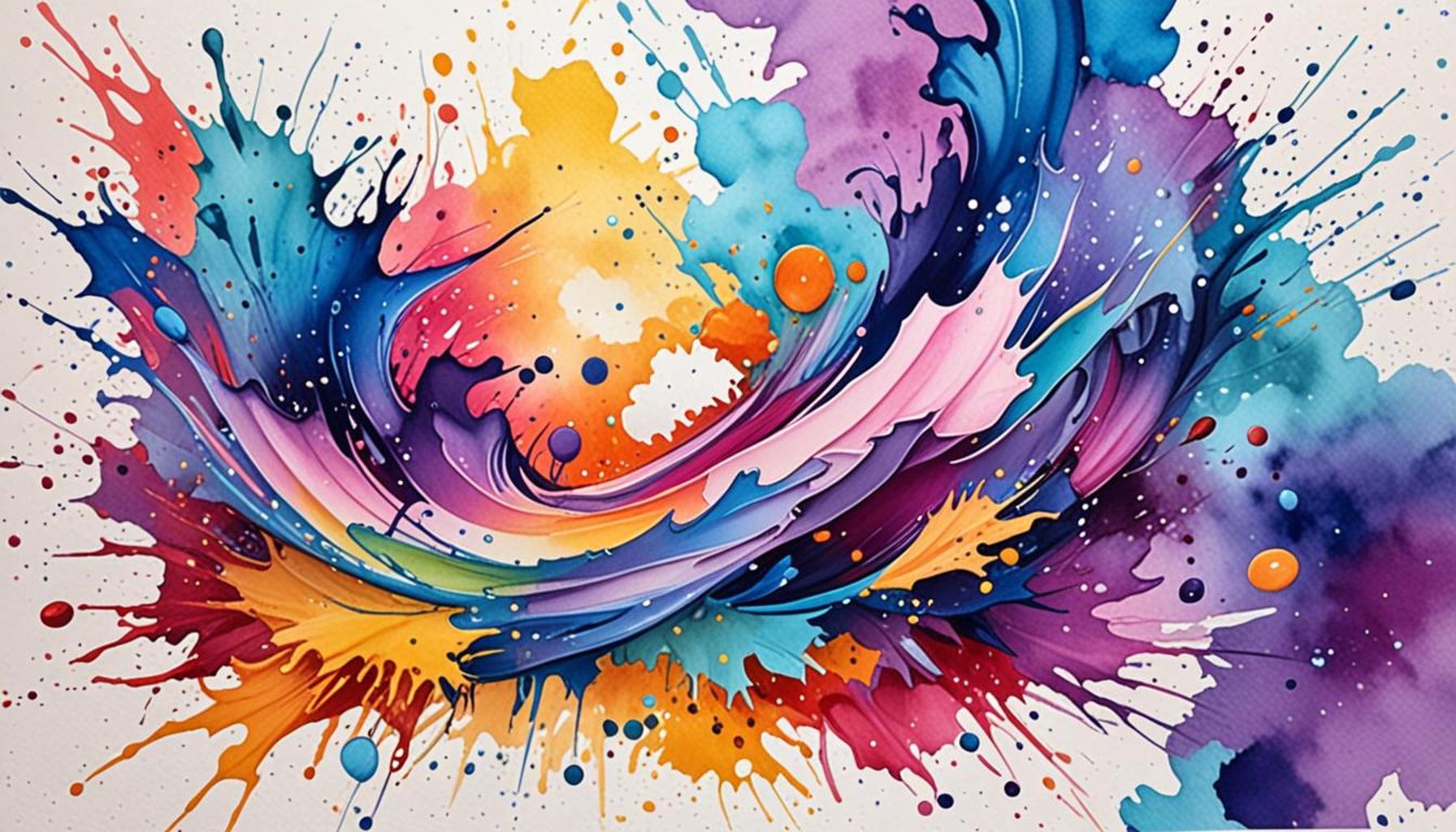
- Abstract – Abstract painting moves away from traditional representation, utilizing shapes, colors, and forms to convey deep emotions or ideas. In Nigeria, abstraction often serves to reflect complex societal themes, as seen in the works of contemporary artists who creatively comment on identity and modernity.
- Realism – Striving for lifelike representation, realism showcases precision in detail. This style may be employed to depict the rich cultural heritage of Nigeria, capturing everyday life, portraits, or landscapes with stunning accuracy and emotional depth.
Exploring Materials
Material selection plays a vital role in the outcome of artwork. Each type of paint offers unique properties that influence the artist’s process and final product. Notable options include:
- Acrylic paints – Known for their versatility and quick-drying properties, acrylics can mimic the effects of both watercolor and oil paints. They allow artists to layer colors seamlessly, making them ideal for artists who thrive in the fast-paced environments of urban Nigeria.
- Oil paints – Valued for their rich colors and excellent blending capabilities, oil paints require a longer drying time, giving artists the opportunity to work what some refer to as “wet-on-wet” techniques. This property allows for detailed textures and tones that can beautifully depict Nigeria’s lush landscapes.
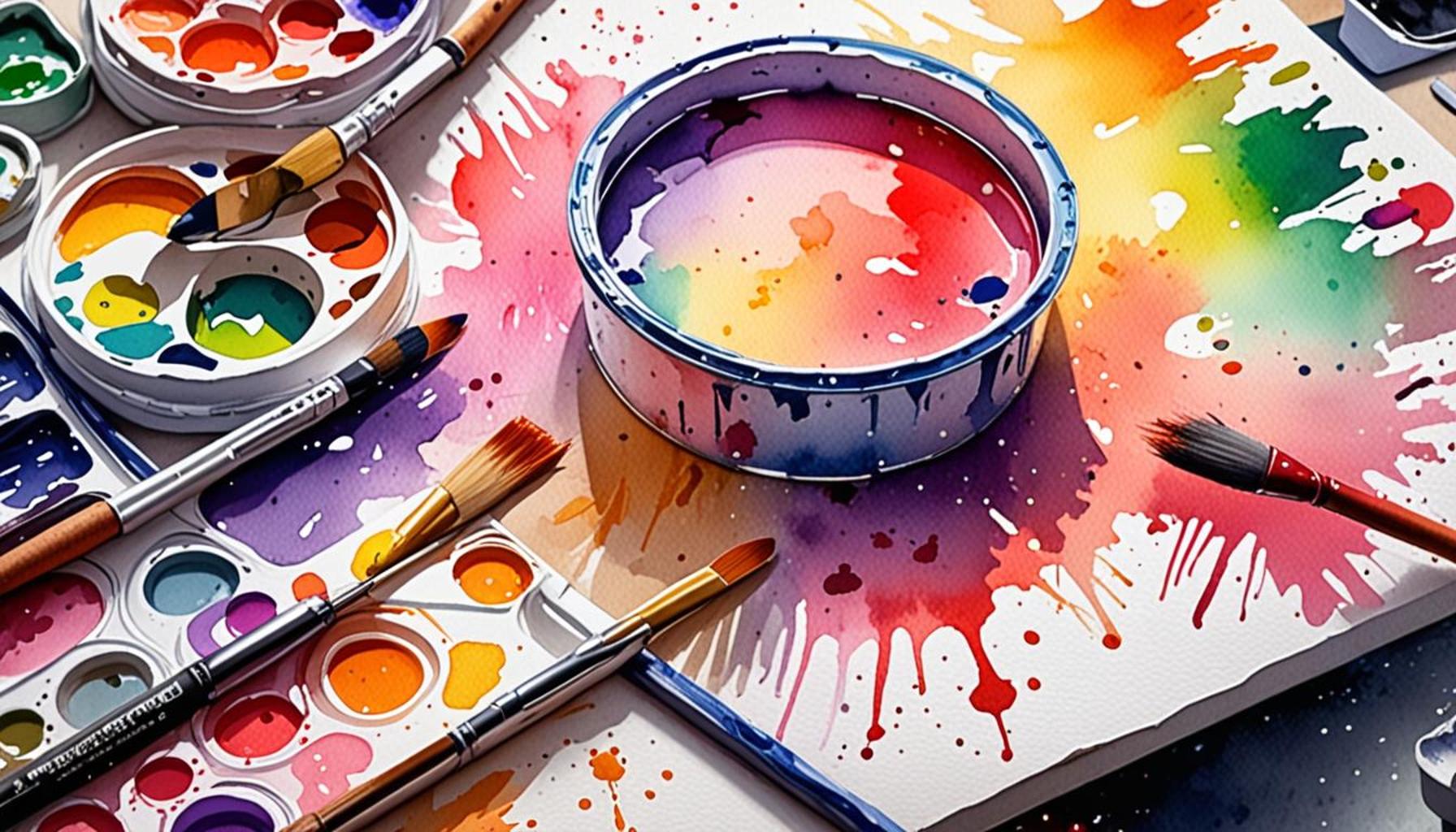
- Watercolors – Favored for their translucence and ease of use, watercolors are perfect for capturing the serene beauty of Nigeria’s natural scenery, whether it’s the rolling hills of Jos or the coastal sunsets of Lagos. They often convey a sense of fluidity and spontaneity, reflecting the ever-changing environment.
As you delve into the world of canvas painting, the fusion of techniques and materials presents a thrilling opportunity to create stunning works of art. Each choice informs not only your work but also your artistic journey, revealing the myriad ways to express yourself on canvas. Whether you are inspired by the rich cultural heritage of Nigeria or the vibrant pulse of modern cities, canvas painting offers a limitless canvas for exploration and expression. Discover how these elements harmonize to bring your artistic vision to life, and engage with the vibrant community of artists seeking to share their stories on canvas.
CHECK OUT: Click here to explore more
Unleashing Creativity through Techniques and Materials
Canvas painting, as a versatile medium, invites artists to explore diverse painting techniques that resonate with their individual styles and narratives. The techniques not only define the aesthetic of the artwork but also shape the artist’s approach and overall experience. Artists in Nigeria have a rich tapestry of cultural influences guiding them, which provides a distinct backdrop for the discovery of various techniques.
Varied Techniques—A Palette of Possibilities
Artistic techniques can be categorized in myriad ways, yet some styles stand out due to their unique characteristics and the emotional connections they evoke:
- Surrealism – This dream-like approach allows artists to break free from the constraints of reality. By tapping into the unconscious imagination, surrealists in Nigeria like Adebayo Akinfenwa challenge viewers with whimsical, thought-provoking scenes that merge the familiar with the bizarre, reflecting the complex realities of life.
- Expressionism – Focused on portraying emotional experiences rather than physical reality, expressionism translates feelings through vivid colors and exaggerated forms. Nigerian artists often channel their emotions regarding societal issues, using intense colors to create an atmosphere that resonates deeply with the viewer.
- Mixed Media – This technique combines various artistic mediums on a canvas, enhancing the depth and texture of the artwork. From the use of fabric scraps representing the vibrant patterns found in traditional Nigerian attire to incorporating found objects that symbolize personal stories, mixed media offers endless avenues for creative expression.
The Role of Materials in Artistic Expression
Complementing canvas painting techniques are the materials artists select, which significantly impact the overall quality and message of the artwork. Understanding the properties of different art supplies can lead to breathtaking results:
- Charcoal and Pastels – These materials provide a different texture and feel, adding a raw, earthy element to the canvas. Artists can utilize rich charcoal sketches to create dramatic contrasts and depth, often laying the groundwork for vibrant acrylic layers that follow.
- Textured Mediums – Items such as gels and pastes can be mixed into paint to alter its consistency, allowing for exciting textures on the canvas. Such innovations can elevate traditional works, encouraging artists to explore new dimensions, which are especially popular in contemporary Nigerian art circles.
- Varnishes – The use of varnishes can enhance the finish of artwork, adding a protective layer while also intensifying color saturation. This is particularly essential for outdoor exhibitions in Nigeria, where humidity and heat can take a toll on painted surfaces.
As you navigate through the world of canvas painting, the fusion of techniques and materials becomes apparent, enriching the creative experience. By embracing both traditional and contemporary approaches, artists in Nigeria expand their artistic horizons, inviting viewers to engage with the dynamic expressions found across their canvases. The interplay of styles and medium offers a distinct platform for storytelling, making each canvas a unique chapter in the larger narrative of Nigerian art.
Understanding Different Styles and Materials in Canvas Painting
When embarking on the journey of canvas painting, understanding the multitude of styles and materials available can enrich your artistic experience. Each style presents distinct characteristics and requires specific techniques, enabling artists to express themselves more effectively. Meanwhile, the choice of materials can profoundly affect the outcome of a painting, influencing color vibrancy, texture, and durability.
Popular Canvas Painting Styles
One of the most notable styles is Impressionism, characterized by visible brush strokes and an emphasis on the effects of light. Artists like Monet transformed the way we perceive outdoor scenes, encouraging painters to explore fleeting moments. Contrast this with Abstract Expressionism, where emotion and spontaneous creation reign supreme, as seen in the works of Jackson Pollock. These styles reveal different artistic philosophies, urging painters to either capture reality or express inner emotions.
Materials Matter: Exploring Canvas Types
The type of canvas used is crucial. Cotton canvas is favored for its affordability and versatility, making it a popular choice among beginners. Conversely, linen canvas, while more expensive, offers superior durability and texture that seasoned artists often prefer. In addition to canvas, the choice of paint—be it oil, acrylic, or watercolor—will significantly alter the painting’s appearance and drying time. Oil paints, for instance, provide depth and richness, while acrylics dry quickly, allowing for swift layering and vibrant colors.In your artistic journey, experimentation with various styles and materials can lead to unique discoveries, inviting you to create works that genuinely resonate with your vision. Whether you lean towards the finesse of classical techniques or the boldness of modern expressions, there is always something new to learn and explore in the world of canvas painting.
| Painting Styles | Key Characteristics |
|---|---|
| Impressionism | Focuses on light and its changing qualities, often seen in outdoor scenes. |
| Abstract Expressionism | Emphasizes spontaneous emotion and abstract forms rather than representational accuracy. |
This exploration of canvas painting styles not only enhances your artistic skills but also encourages a deeper appreciation for the diverse world of art. Explore these categories further to ignite your creativity and transform your canvas into a vibrant expression of your individual artistry.
YOU MAY ALSO LIKE: Read read another article
Innovative Approaches to Enrich Your Canvas Experience
Delving into canvas painting techniques not only encompasses the foundational styles and materials but also encourages exploration and innovation. Creativity can flourish when artists embrace newer dimensions of painting, experimenting beyond traditional norms to elevate their unique artistic expressions. For many painters, particularly in Nigeria, there is a passion for not only aesthetics but also the stories behind each brushstroke.
Digital and Traditional Fusion
As technology reshapes the art landscape, the fusion of digital techniques with traditional painting methods has created novel opportunities. Many Nigerian artists are integrating digital tools into their workflow, using software to design and refine ideas before translating them onto canvas. This blending of the old and new challenges conventional artistry while promoting accessibility; for instance, artists can digitally share their work online to gather feedback before finalizing their pieces on canvas. Furthermore, tools like digital sketchpads encourage experimentation without the commitment of using expensive paints or canvases.
Exploring Cultural Narratives through Symbolism
Nigerian culture is rich in symbolism, and many artists harness this depth within their canvas work. Symbolism provides visual language that transcends borders, inviting viewers into deeper conversations about identity and heritage. For example, the use of Adinkra symbols, traditionally from Ghana, can be found in the canvases of some Nigerian artists, blending African traditions with unique narratives of modern life. The colors, patterns, and forms not only beautify the artwork but also imbue it with historical significance, making each painting a conversation starter about culture, religion, and societal values.
Embracing Environmental Sustainability
With an increasing global consciousness towards environmental issues, some Nigerian artists are turning to sustainable practices to create their artworks. The rise of eco-friendly art materials opens up possibilities for using natural pigments, recycled canvases, and biodegradable glues. By utilizing waste materials and converting them into art, painters not only contribute to protecting the planet but also expand their creative boundaries. These eco-conscious choices resonate with messages behind their art—highlighting themes of conservation and the beauty of nature, which are especially pertinent in places like Nigeria that boast diverse ecological systems.
Interactive and Performance Art Elements
Today’s canvas artists are increasingly incorporating interactive elements into their works, inviting audience participation as part of the artistic experience. Installations that challenge the viewer to engage more with the canvas itself—perhaps by participating in the painting process or altering the piece—create dynamic conversations between the art and the audience. This trend can be observed in community workshops, where artists work on large canvases in public spaces, fostering communal creativity and highlighting local narratives. Such interactions bridge the gap between the artist and the observer, arousing curiosity and encouraging collective artistic expression.
In summary, the evolution of canvas painting techniques is a rich and multi-layered journey. The amalgamation of traditional styles with contemporary practices continues to fuel artistic innovation among Nigerian artists, emphasizing the ongoing dialogue between culture, technology, and individual expression. As artists venture into uncharted territories through exploration and experimentation, they create compelling stories that not only reflect personal experiences but also resonate universally, inviting discussions that spur inspiration and discovery.
YOU MAY ALSO LIKE: Read read another article
Conclusion: The Infinite Canvas of Possibilities
In the ever-evolving realm of canvas painting techniques, the integration of diverse styles, innovative materials, and cultural narratives creates a vibrant landscape that is uniquely Nigerian. Artists today possess a broad spectrum of tools at their disposal— from eco-friendly materials to digital enhancements— enabling them to craft meaningful works of art that transcend mere aesthetics. This dynamic interplay of tradition and modernity not only enriches individual expression but also invites broader conversations about identity and environmental consciousness.
The exploration of cultural symbolism within artworks fosters a deeper understanding and appreciation of Nigerian identity, while the incorporation of interactive elements pushes the boundaries of how audiences engage with the art. Such trends not only reflect the growing merging of technology and artistry but also strengthen community ties, creating a collaborative spirit among artists and viewers alike. As artists in Nigeria continue to innovate in their techniques and themes, they pave the way for an artistic dialogue that resonates beyond geographical limits, tapping into universal human experiences.
Ultimately, delving into the world of canvas painting techniques allows both artists and admirers to discover new realms of creativity. It promotes a rich tapestry of expression that is as diverse as the cultures from which it originates. Therefore, not only should artists embrace existing styles and materials, but they should also feel inspired to explore new methods, share their stories, and ignite discussions that foster understanding and appreciation. In doing so, they ensure that the canvas remains an endless source of inspiration that can educate, entertain, and connect people across the globe.