Menu

Music and Identity: How Music Reflects the Diverse Cultures of Nigeria

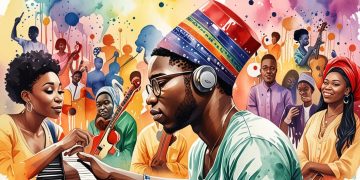
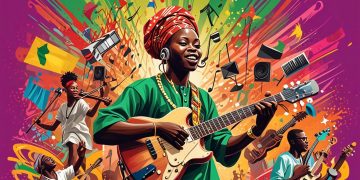
Nigeria's music showcases its diverse cultures, reflecting complex identities through traditional and contemporary genres. With roots in storytelling and social commentary, music serves as a unifying force that fosters community ties, honors heritage, and empowers social movements. This dynamic interplay illustrates music's role in shaping national identity.

The Influence of Nigerian Traditional Music on Modern Composition

Nigerian traditional music profoundly influences modern composition, blending rich rhythms, instruments, and storytelling techniques into contemporary genres like Afrobeat and Highlife. This fusion preserves cultural heritage while creating innovative sounds, allowing artists to connect with audiences globally and celebrate their roots through music.

The Influence of Social Media on the Rise of New Musical Talents in Nigeria

Social media has revolutionized the Nigerian music scene, enabling new talents to connect with global audiences. Platforms like TikTok and Instagram facilitate viral trends and direct engagement, empowering artists to showcase their creativity and build loyal fanbases. This digital shift enhances collaboration, democratizes exposure, and reshapes the music industry in Nigeria.

The Influence of Global Pop Music on the Contemporary Nigerian Music Scene

The contemporary Nigerian music scene thrives on the influence of global pop music, blending local rhythms with international styles like Afrobeats. This cultural exchange, fueled by digital platforms and social media, enables artists to reach wider audiences while innovating new genres, showcasing Nigeria's vibrant musical landscape on the world stage.

Exploring Unique Musical Instruments of Nigeria and Their Sounds

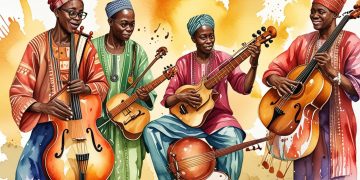
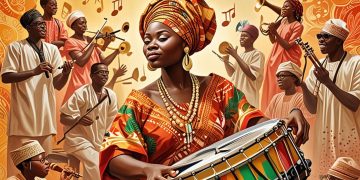
This exploration highlights Nigeria's unique musical instruments, showcasing their rich cultural significance and diverse sounds. Instruments such as the talking drum, shekere, and udu convey stories and emotions, reflecting communal identities. Their fusion with contemporary music enhances Nigeria's vibrant musical heritage, celebrating its cultural narrative and resilience.

The Evolution of Music Genres in Nigeria: From Highlife to Afrobeats

Nigeria's music evolution showcases a rich tapestry of genres, from Highlife's jazzy beginnings to the global rise of Afrobeats. Key styles reflect cultural narratives and social changes, uniting diverse influences while celebrating heritage. As these genres continue to evolve, they enhance Nigeria's artistic identity on the world stage.

The Intersection of Music and Dance in Nigerian Cultural Celebrations

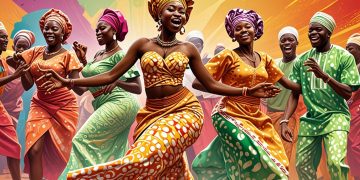
Nigerian cultural celebrations vividly showcase the deep interplay between music and dance, serving as vital expressions of identity and heritage. Through events like weddings and festivals, these art forms narrate communal stories, foster unity, and empower participants, enriching Nigeria's vibrant cultural landscape.

The Importance of Music in the Preservation of Nigerian Language and Traditions

Music is integral to the preservation of Nigerian language and traditions, acting as a cultural repository that enhances community identity and cohesion. Through storytelling, rituals, and educational frameworks, it fosters language retention and intergenerational connections, ensuring the rich tapestry of Nigeria's diverse heritage is celebrated and transmitted to future generations.

Music as a Tool for Activism and Social Change in Nigeria

In Nigeria, music plays a crucial role in activism and social change, addressing issues like corruption, police brutality, and gender inequality. Artists leverage their influence to raise awareness, unite communities, and inspire action, reinforcing the profound impact of music as a dynamic tool for societal transformation.

The Role of Music in Promoting Mental Health and Well-Being in the Nigerian Community

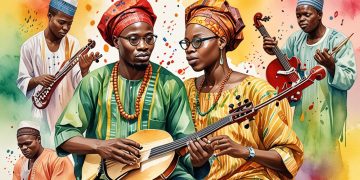
Music plays a vital role in promoting mental health and well-being within the Nigerian community. It fosters community bonding, facilitates emotional expression, and strengthens cultural identity. Music’s therapeutic benefits are increasingly recognized, serving as an accessible resource for healing and resilience amidst societal challenges.