Embroidery Techniques: Creating Intricate and Customized Designs on Fabric
Understanding the Craft of Embroidery
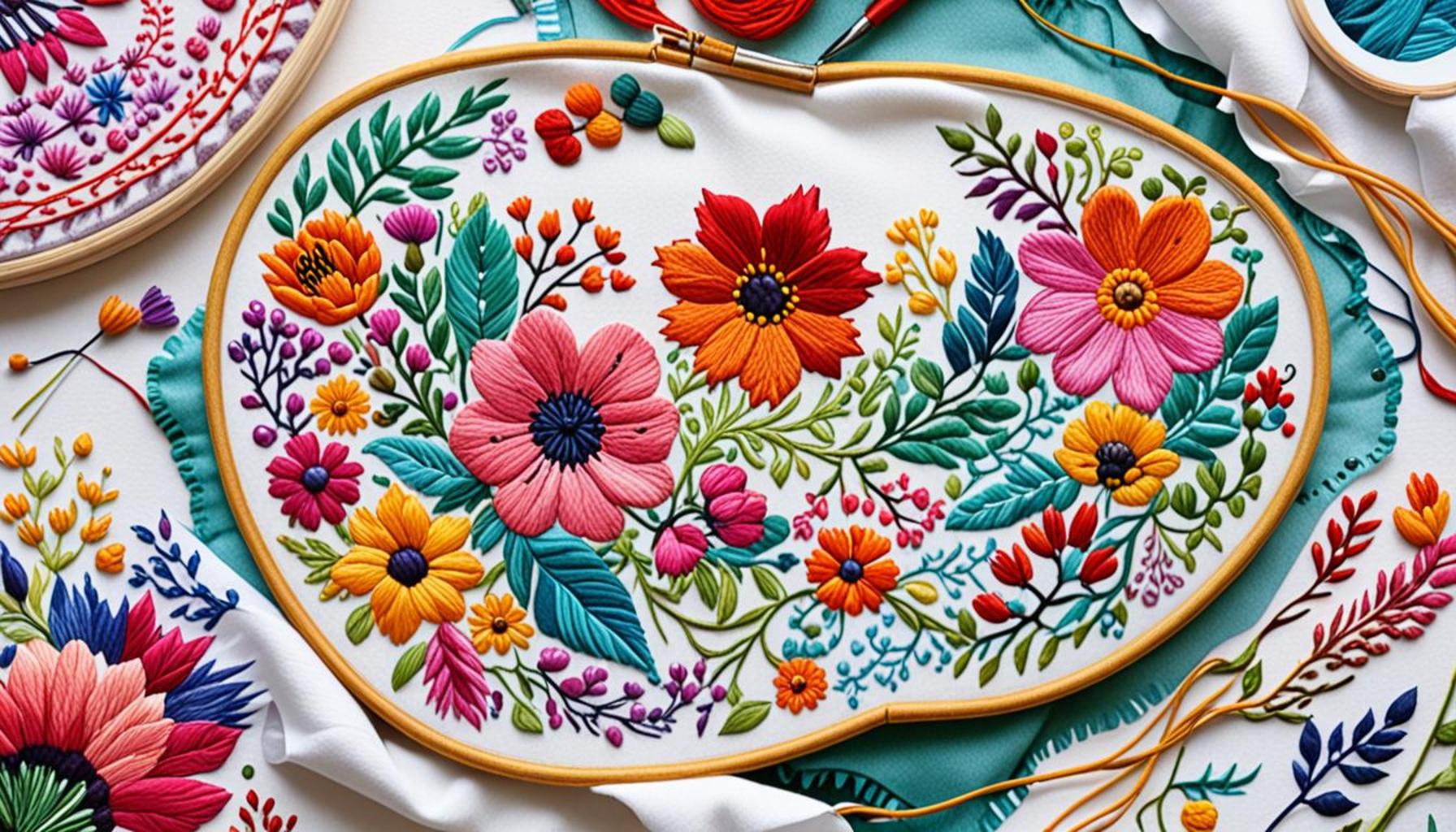
Embroidery is a time-honored art form that enhances fabric with stunning designs and textures. In Nigeria, this craft has found a unique expression, weaving together traditional motifs and contemporary styles that reflect cultural heritage. Each stitch tells a story, embodying the spirit of different ethnic groups and their histories. Understanding various embroidery techniques can unlock a world of creativity, allowing artisans and hobbyists alike to personalize their textiles in meaningful ways.
By mastering the relevant techniques, you can:
- Create visually appealing patterns that stand out.
- Transform ordinary fabric into custom artwork that embodies your artistic vision.
- Preserve cultural narratives through stitchwork that resonates with both personal and communal heritage.
Nigeria boasts a rich tapestry of textile traditions, from the intricate Nigerian aso-oke to the vibrant Adire fabrics. These fabrics often serve as the canvas for various embroidery techniques, allowing artisans to express originality and creativity. For example, aso-oke is characterized by bold colors and patterns that are often used in ceremonial attire, while Adire features beautiful indigo-dyed motifs that tell stories of the Yoruba culture. Here are some popular embroidery techniques worth exploring:
- Cross Stitch: This technique is simple yet effective, allowing for the creation of detailed designs. Traditional motifs can be adapted to reflect contemporary aesthetics, making cross-stitching a versatile skill.
- Free Motion Embroidery: This dynamic method offers the freedom to create unique textures and patterns without the constraints of a fixed stitch. It encourages experimentation, making it a favorite for modern artists looking to push boundaries.
- Sashiko: Originating from Japan, this technique utilizes simple running stitches to create intricate geometric designs. In Nigeria, it can be combined with local fabrics to bring a rustic charm and functional utility, showcasing how global influences can be integrated into local crafts.
Whether you are a seasoned expert or a novice in needlework, diving into these methods can enrich your fabric creations. As you embark on this colorful journey, you’ll discover how embroidery can transform simple pieces into cherished heirlooms. Imagine crafting personal gifts, fashion pieces, or decor items that not only showcase your creativity but also celebrate the cultural stories woven into every stitch. With each embroidered piece, you participate in a dialogue that honors tradition while embracing innovation.
YOU MAY ALSO LIKE: Read read another article
The Artistry of Stitching Techniques
Diving deeper into the world of embroidery, various techniques reveal not only intricate patterns but also profound storytelling capabilities. Each technique offers unique attributes that cater to different creative desires, allowing artisans to explore limitless possibilities in fabric design. As you become familiar with these methods, you will appreciate how they can lead to customized designs that resonate with both personal and cultural significance.
One of the most beloved techniques in Nigeria is the thread painting method. This technique employs layers of thread to create a painted effect on fabric, enabling artists to emulate the intricacies of an image or scene. Commonly depicted are vibrant landscapes, cultural symbols, or portraits, which, through the application of color and depth, come alive in a way that stuns observers. This technique plays an essential role in telling diverse stories while preserving cultural expressions.
Another captivating technique is kantha embroidery. Originating from the Indian subcontinent, this method has found its place in Nigerian textile art, particularly in regions where Indian influences integrate deeply with local cultures. Kantha is characterized by its use of running stitches, typically forming intricate patterns or depicting themes from everyday life. The simplicity of the technique allows for the conservation of fabric scraps, promoting sustainability in embroidery practices. This resonates deeply within a society that values resourcefulness and creativity.
- Stump Work: This is a three-dimensional embroidery technique that involves creating raised designs. The use of padding, wire, and various thread types gives depth to the visual appeal of the embroidery, making it a favorite for decorative items that need to stand out.
- Blackwork: This technique employs a monochrome palette, primarily using black thread on a white or light-colored fabric. Intricate patterns, often geometric or floral, are created through dense fillings and outlines, offering a striking contrast that is visually compelling.
- Hardanger: A traditional Norwegian technique, Hardanger combines cutwork with pulled-thread embroidery to create delicate lace-like patterns. This method is particularly admired in Nigeria for adding elegance to home decor and clothing.
Most importantly, understanding these techniques opens doorways to expressing individuality. Whether you’re engaged in crafting personalized gifts for loved ones or aiming to create standout fashion pieces, the realm of embroidery allows for full creative expression. It’s an embrace of cultural heritage while simultaneously inviting contemporary flair. The beauty of embroidery lies not only in the resulting fabric designs but also in the journey of creation, encouraging artisans to discover their unique voices through every stitch.
| Category | Key Features |
|---|---|
| Hand Embroidery | Unique personalization and an array of techniques like satin stitch and cross-stitch, allowing for stunning, one-of-a-kind designs. |
| Machine Embroidery | Efficient production of intricate patterns at a faster pace, enabling mass customization while ensuring high-quality results. |
| Digital Embroidery | Computerized designs allow for complex patterns and can store numerous styles, making it easy to replicate themes accurately. |
| 3D Embroidery | Textured effects that add depth to designs, perfect for logos and promotional materials that stand out visually. |
Exploring these various embroidery techniques unlocks a treasure trove of possibilities for fabric design enthusiasts. Hand embroidery, with its unique personalization aspect, fosters individual creativity, while machine embroidery lends itself to efficiency and precision—a key advantage in today’s fast-paced production environments. Furthermore, digital and 3D embroidery methods elevate the creative potential, allowing for complex and visually striking designs that captivate anyone who sees them. These techniques can be applied across a variety of textiles, enriching your craft and giving your projects a distinctive edge that will surely intrigue those in pursuit of intricate designs. Learning more about each technique will undoubtedly enhance your skills and inspire you to explore new avenues in the world of embroidery.
RECOMMENDED: Check out this similar article
Exploring Traditional and Modern Embroidery Techniques
The landscape of embroidery is vibrant and multifaceted, reflecting a rich tapestry of traditions and innovations. One of the fascinating techniques that has garnered attention globally, including Nigeria, is freestyle embroidery. This method allows artisans to combine various stitches without following a set pattern, promoting creativity and personal expression. The freestyle approach is particularly popular in contemporary craft circles, where artists can take liberties to innovate and adapt traditional patterns into modern aesthetics, giving their work a unique touch. The unpredictability of freestyle embroidery allows every piece to be distinct, making it ideal for custom designs.
In addition to freestyle, sashiko embroidery has started seeing wider appreciation beyond its Japanese origins. Characterized by its simple running stitches that create a patterned background, sashiko was historically used to reinforce or repair clothing. Today, it has become a sought-after technique for decorative purposes in Nigeria, where many sewing enthusiasts embrace its minimalist beauty. This method resonates especially well with a society that values the dual purpose of aesthetics and functionality, allowing for creativity even in materials that might otherwise be discarded.
Not to be overlooked, embroidery applique is another influential technique that enhances fabric design through the layering of different fabrics. This method involves sewing a piece of fabric onto a larger piece to create contrast, texture, or a unique design element. In Nigeria, this technique is often applied in creating elaborate wedding attire and ceremonial garbs, where vibrant colors and patterns reflect the celebratory nature of the occasion. The charm lies in its versatility, making it an excellent choice for artisans looking to fuse traditional aesthetics with modern sensibilities.
- Cross-Stitch: Stylish yet timeless, cross-stitching works on a grid system to create beautiful visual images, often depicting motifs from nature, animals, or symbolic designs. Its structured nature provides beginners a welcoming path into the embroidery world while still allowing advanced artisans to create intricate masterpieces.
- Machine Embroidery: This modern approach employs technology to produce consistent and intricate designs at a rapid pace. By utilizing specialized embroidery machines, artisans can digitize their patterns, which enhances productivity for commercial projects while still retaining a semblance of the artisan’s individual flair.
- Visible Mending: A technique that has gained traction in the realm of sustainable fashion, visible mending turns repairs into decorative features. Artisans deliberately use embroidery to enhance or mend a piece, transforming flaws into unique design attributes that tell a story of resourcefulness and creativity.
As various techniques adapted and evolved within their cultural contexts, they have also fostered community engagement. Workshops and local initiatives across Nigeria promote the sharing of these techniques among enthusiasts, allowing for the exchange of knowledge and skills across generations. This grassroots approach not only enriches the cultural heritage surrounding embroidery but also instills pride in the craft within communities. Artists create connections and collaborations, blending past with present, and continuing the legacy of storytelling through fabric.
LEARN MORE: This related article may interest you
Conclusion: The Art of Embroidery and Its Endless Possibilities
Embroidery is more than just a craft; it is a rich art form that has stood the test of time, evolving significantly and reflecting the diverse cultures around the world, especially within Nigeria. As we explored various techniques such as freestyle embroidery, sashiko embroidery, and applique, it became clear that each method carries its own story, blending tradition with modern innovation.
From the improvisational flair of freestyle embroidery to the meticulous beauty of sashiko, and the vibrant contrast offered by applique, artisans have vast opportunities to create pieces that are both intricate and customized. The rise of techniques like visible mending emphasizes a growing awareness of sustainability, allowing designers to highlight imperfections and transform them into features of beauty, thus marrying ethics with aesthetics.
As communities engage in workshops and initiatives, they not only preserve these techniques but also cultivate a sense of identity and pride. This intergenerational knowledge transfer fosters creativity and collaboration, breathing new life into traditional practices and promoting a collective appreciation for craftsmanship. The embroidery landscape in Nigeria and beyond is not simply about fabric and thread; it is about storytelling, identity, and the potential for self-expression.
In conclusion, exploring the realm of embroidery techniques unveils a world filled with endless possibilities for both seasoned artists and enthusiastic beginners. Whether one gravitates towards traditional methods or seeks to innovate, the art of embroidery remains a powerful medium for creative expression, waiting to be embraced and discovered by all.