Exploring Unique Musical Instruments of Nigeria and Their Sounds
Exploring Nigeria’s Musical Instruments and Their Cultural Significance
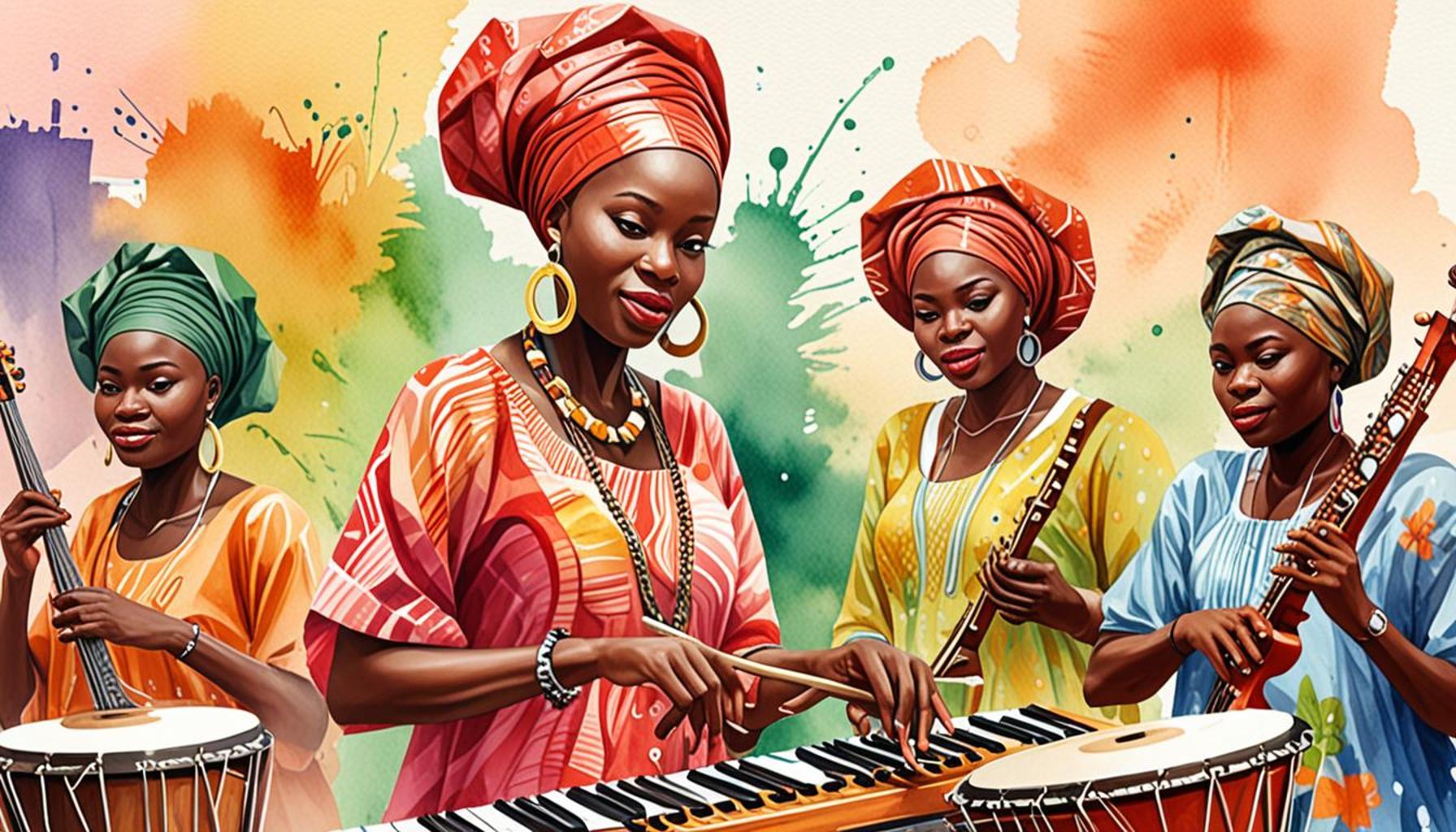
Nigeria’s music scene is not just a showcase of rhythm and melody; it is a cultural expression that embodies the histories and identities of its diverse ethnic groups. The unique instruments throughout the nation amplify this diversity, offering insight into traditions that have been shaped over generations. Each instrument is a reflection of the community it hails from, infusing both contemporary and traditional sounds with rich narratives.
In the heart of Nigeria’s musical legacy lies a fascinating variety of instruments, each with a distinctive role in storytelling and ceremonial practices. Among them, the Talking Drums (Dundun) stand out. Used predominantly by the Yoruba people, these drums are more than just musical instruments; they are linguistic tools. Capable of mimicking the tonality of human speech, they relay messages over long distances, often used to announce significant events or communicate community news during gatherings and festivals.
Similarly, the Shekere, a traditional instrument made from a gourd and adorned with beads, carries its own cultural weight. Offering a subtle yet enchanting rattling sound, it accompanies various folk songs and dances, symbolizing celebrations and spiritual rituals. The Shekere is often seen at festivities across Nigeria, underscoring its importance in social gatherings and its role in fostering community spirit.
- Udu: This clay pot drum is particularly significant among the Igbo people, where it serves as a vital instrument during religious ceremonies and cultural festivals. Its deep, resonant tones symbolize the heartbeat of the community, often elevating spiritual experiences.
- Ogene: Another staple in Nigerian music, this metal gong is widely used in various Nigerian traditions to announce the beginning of ceremonies. Its wide-ranging sound punctuates important moments and transitions within cultural celebrations.
The beauty of Nigerian music lies not only in the sounds produced but also in the stories that are passed down through these instruments. They carry tales of joy, sorrow, and resilience, serving as bridges that connect past generations to the present. Engaging with these musical elements allows us to appreciate the complexity and richness of Nigerian culture, prompting us to inquire deeper into individual narratives and cultural significance.
As we explore further, it becomes clear that each instrument is a piece of the larger mosaic of Nigerian musical heritage. The rhythms and beats are not just music; they are an invitation to delve into cultural histories, understand societal values, and celebrate the remarkable tapestry that defines Nigeria’s identity.
RECOMMENDED: Check out this similar article
The Rich Symphony of Nigerian Traditional Instruments
To truly appreciate the tapestry of Nigeria’s musical landscape, one must investigate the myriad of traditional instruments that provide its vibrant sounds. These instruments are not mere objects; they are harbingers of stories, traditions, and emotional expression woven into the very fabric of Nigerian culture. Each unique instrument resonates with the essence of the people it represents, producing sounds that evoke a wide array of emotions, from joy to solemnity.
One of the most striking examples is the Ekwe, a wooden percussion instrument that signifies the rich musical heritage of the Igbo people. Traditionally used during important ceremonies, the Ekwe produces a rhythm that is both powerful and captivating. The unique hollow structure of the Ekwe allows it to emit a deep vibration that conveys messages during festivities or rituals, linking the community’s enriching history with the present.
Not to be overlooked, the Gbedu drum plays a crucial role in the cultural ceremonies of Nigeria, particularly among the Yoruba and Hausa communities. This large bass drum, often made from skin stretched over a hollow body, generates a sound that resonates deeply within the listener’s soul. The Gbedu is traditionally used to announce the arrival of significant individuals or to mark key moments in celebrations, proving that its formidable sound is more than just music—it’s a declaration.
- Balafon: This wooden percussion instrument has its roots in the Malinke culture. It consists of wooden bars placed over a resonator, creating a melodic sound that is both soothing and rhythmic. The Balafon is commonly played during festivals and cultural dances, bringing people together through its infectious joy.
- Fula Flute: Made from bamboo or wood, the Fula flute is a key musical instrument in various ethnic groups across Nigeria. Its melodious and airy tones enhance folk songs and ritualistic dances, acting as a voice of solace and reflection.
- Kora: Although originally from West Africa, the Kora has found a cherished place in Nigerian music. This classical string instrument, often referred to as a ‘West African harp,’ has a captivating blend of melodic and harmonic qualities that tell stories of love, loss, and ancestral ties.
These musical instruments are more than tools for creating sound; they are custodians of history, community, and spirituality. The diversity and dynamism of Nigeria’s traditional instruments create a unique musical experience that resonates with both young and old. Engaging with these sounds allows listeners to delve deeper into Nigeria’s rich cultural landscape, revealing the emotions and stories embedded in each note.
As we continue this exploration, it becomes increasingly clear that the music of Nigeria is not only a wonder of auditory delight but a profound narration of the nation’s soul. Each strum, beat, and note captures the essence of what it means to be Nigerian, illustrating the deep connections forged through music across generations.
| Instrument Type | Sound Characteristics |
|---|---|
| Talking Drum | The talking drum mimics human speech with its unique pitch variation and tone modulation. |
| Udu | This clay pot drum produces deep, resonant sounds, often described as echoing the heartbeats of its players. |
| Sakara | With its distinct twangy sound, the sakara drum is celebrated in traditional ceremonies, enhancing the spiritual experience. |
| Shekere | The shekere, a beaded gourd, creates sharp and crisp rattling sounds that invigorate performances. |
In Nigeria, the diversity of musical instruments is as rich as its cultural tapestry. Each instrument not only reflects the artistry of its maker but also embodies the soul of the communities that produce and play them. From the rhythmic pulsations of the talking drum, which communicates emotions and stories, to the enchanting echoes of the udu, every sound tells a story. The sakara enhances traditional ceremonies with its vibrant tones, deeply connecting spirituality with music. Meanwhile, the shekere adds a lively dimension to performances, invigorating the listener’s experience. Exploring these unique instruments opens a window to understanding the cultural heritage and musical richness of Nigeria, as each sound resonates with history, tradition, and communal identity. Discovering more about their histories and the ways they are played can be an enriching journey into the heart of Nigerian music.
LEARN MORE: This related article may interest you
The Diverse Sounds of Nigerian Musical Instruments
As we further immerse ourselves in the world of Nigerian musical instruments, it becomes evident that each instrument offers a unique palette of sounds that encapsulates the diverse cultural heritage of the nation. From the delicate tones of string instruments to the vigorous beats of drums, these instruments are a reflection of Nigeria’s rich history and social dynamics.
Take the Oja, for instance, a traditional wooden flute primarily used by the Edo people, as well as various groups across Nigeria. The Oja produces soft, melodic notes that evoke emotions of nostalgia and serenity. Often played during festivals and communal gatherings, it serves as a medium to convey stories and cultural narratives. Its sound is akin to the whisper of the wind through the trees, creating an atmosphere of calm that invites reflection and connection among its listeners.
In northern Nigeria, the Ganga (or Ganga drum) is of profound cultural significance. This goat skin drum is distinguished by its lively beats that are commonly used in traditional ceremonies, social events, and spiritual gatherings. The drum’s rhythmic patterns serve not only to entertain but also to instill a sense of unity, often inviting listeners to dance and participate in communal celebrations of life’s milestones.
- Shakere: Traditionally made from a gourd covered in beads or shells, the Shakere is a percussion instrument that adds texture to musical compositions. When shaken, it produces a rustling sound that complements drumming and encourages movement during dances.
- Ikoro: This traditional wooden slit drum, often associated with the Yoruba people, serves as both a musical instrument and a means of communication. The Ikoro’s deep and penetrating sound can be heard from miles away, traditionally announcing news or signaling different events within the community.
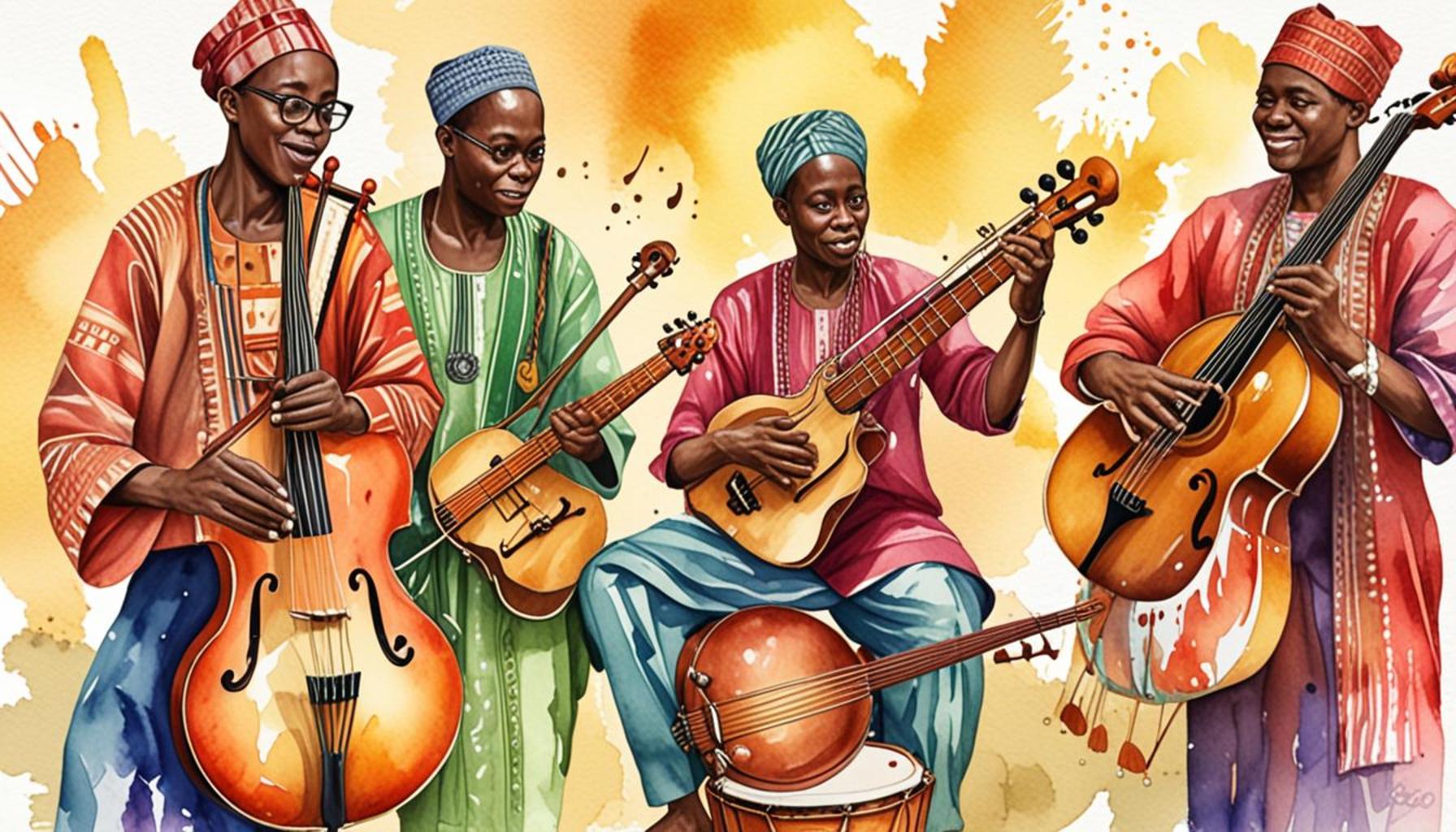
- Ngoni: This ancient string instrument is a favorite among the Hausa and Fulani communities. Its sound is a blend of rhythm and harmony, often accompanying storytelling and oral histories passed down through generations. The Ngoni’s plaintive notes remind listeners of cultural ties, inspiring both pride and nostalgia.
The influences of these traditional instruments extend beyond mere entertainment; they encapsulate social commentary, political narratives, and communal identity. During times of societal change, musicians often harness the power of Nigerian instruments to relay messages that resonate with the collective consciousness. Through music, they are able to reflect the struggles, aspirations, and triumphs of their communities, thereby shaping and preserving their cultural identities.
Moreover, the advent of globalization has led to fascinating fusions between traditional Nigerian sounds and contemporary genres, further illustrating the adaptability of these instruments. Musicians are now exploring new dimensions, incorporating technologies and rhythms from various cultures, thereby revitalizing traditional sounds for a new generation. The harmonious blend of the talking drum with modern hip-hop beats, for instance, is an example of how the old meets the new, captivating audiences worldwide while maintaining the heart of Nigerian musical heritage.
In the journey of exploring unique musical instruments of Nigeria and their sounds, it is clear that these instruments are not just echoes of the past; they are living, breathing entities that continue to evolve, connecting generations through shared experiences and stories told through music. Their significance is not only found in the sounds they produce but in their ability to foster community and connection within the ever-changing cultural landscape of Nigeria.
CHECK OUT: Click here to explore more
Conclusion: The Resonance of Nigeria’s Musical Heritage
In our exploration of unique musical instruments of Nigeria and their sounds, we have uncovered a vibrant tapestry woven intricately with cultural significance, history, and communal identity. Each instrument, from the melodious Oja to the invigorating beats of the Ganga, serves as a testament to the diverse ethnic backgrounds and traditions that thrive within the nation. These instruments do more than produce sound; they embody stories, express emotions, and create connections among people.
The fusion of traditional sounds with contemporary music further highlights the resilience and adaptability of Nigeria’s musical culture. Artists are embracing this evolution, ensuring that the essence of these instruments persists while appealing to global audiences. This synthesis not only preserves the heritage but also invites new interpretations, enriching the musical landscape for future generations.
As we reflect on the significance of these instruments, it becomes imperative for both local and international audiences to recognize and celebrate this rich cultural heritage. By supporting musicians and initiatives that promote traditional sounds, we contribute to a vibrant artistic narrative that continues to evolve. The enchanting sounds of Nigerian musical instruments are more than mere entertainment; they are powerful vehicles for storytelling and unity, reminding us of our shared human experiences. Therefore, the journey into Nigeria’s musical prowess encourages us all to delve deeper, explore further, and relish in the enchanting sounds that define this beautiful nation.