How to Create a Cleaning Schedule That Works for Your Family

The Importance of a Personalized Cleaning Schedule
In the hustle and bustle of family life, cleaning can often become an overwhelming task. However, having a personalized cleaning schedule can not only streamline chores but also create a sense of harmony at home. A well-structured plan transforms a daunting laundry pile or kitchen mess into manageable tasks that foster cooperation and accountability among family members.
To develop an effective cleaning schedule that works for your family, consider the following essential elements:
Family Involvement
- Engage Everyone: Involving each family member, from the youngest to the oldest, can make the cleaning process more enjoyable and less burdensome. For instance, toddlers can help with picking up toys, while older children can be assigned to dusting or organizing their rooms. This approach not only teaches responsibility but also nurtures a sense of teamwork.
Weekly Focus
- Set Specific Days: Breaking down chores by day creates a routine that everyone can follow. For example, you might designate Mondays for sweeping and mopping floors, Tuesdays for tackling laundry, and Wednesdays for bathrooms. This prevents chores from piling up and allows each family member to know what to expect, reducing last-minute rushes before weekend guests arrive.
Flexible Timing
- Adapt to Family Activities: Family life is dynamic, with sports practices, school events, and playdates. Identify low-traffic periods during the week when cleaning can happen spontaneously. For example, if Thursday evenings are usually quiet while the kids do homework, designate that time for quick clean-ups to maintain the household without disrupting family time.
Research indicates that families utilizing structured cleaning schedules experience reduced stress and improved collaboration. Each family member contributing to maintaining the home not only sets the stage for a clean environment but also fosters stronger family dynamics through shared responsibilities.
As you explore ways to tailor a cleaning routine to fit your unique family needs, consider your lifestyle, preferences, and the ages of your children. A family with teenagers might prioritize busier weekend schedules, while those with younger kids could benefit more from light daily tasks. The key is to craft a realistic cleaning plan that everyone can stick to. This approach not only leads to a more organized home but also encourages pride in shared spaces.
Ultimately, developing a personalized cleaning schedule is not just about accomplishing household tasks; it’s about building a foundation of teamwork, equity, and respect for one another’s spaces. By introducing this structure into your family routine, you pave the way for a more peaceful, cooperative household, where everyone feels empowered to contribute.
DISCOVER MORE: Click here for effective DIY cleaning solutions
Assessing Your Family’s Needs
Creating an effective cleaning schedule starts with a thorough assessment of your family’s unique needs and lifestyle. Every family is different, and understanding your specific situation lays the groundwork for a plan that everyone can follow. Begin by considering the dynamics of your household:
Identify Key Areas of Focus
- Evaluate High-Traffic Zones: Take note of the areas in your home that require the most frequent attention. For example, if your family spends a lot of time in the kitchen or living room, these spaces should be prioritized on your cleaning schedule. Consider using a checklist to identify which rooms need daily upkeep and which can be addressed weekly or bi-weekly.
- Pinpoint Problem Areas: Each home has its own challenges, whether it’s dust accumulation in the kids’ playroom or smudges on the bathroom mirrors. Identifying these spots early on allows you to address them proactively, ensuring they don’t turn into overwhelming tasks.
Create an Inventory of Cleaning Supplies
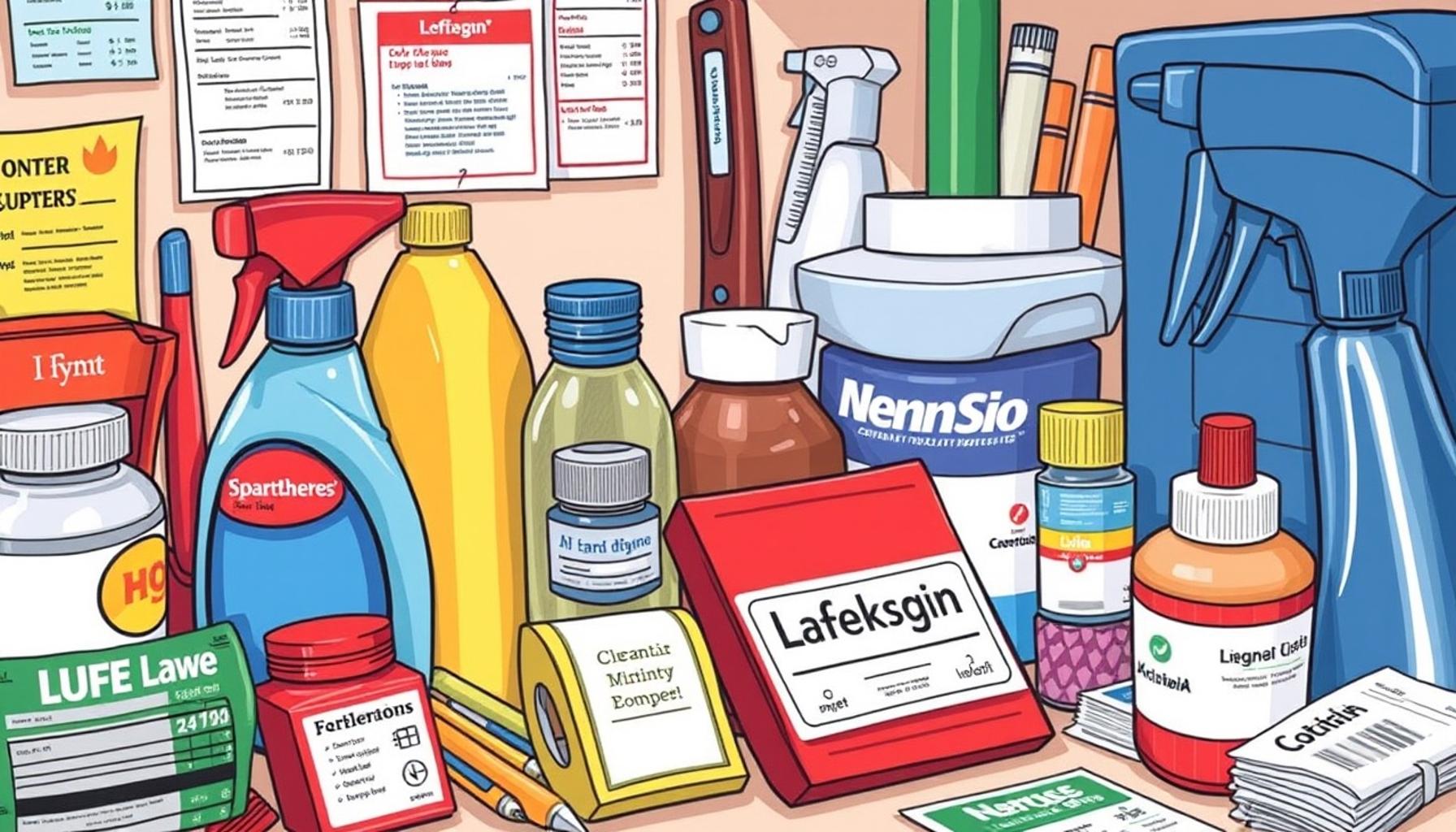
Before diving into a new cleaning schedule, it’s wise to take stock of your cleaning supplies. Having the right tools on hand not only makes the process smoother but can also elevate the quality of your cleaning efforts. Create a checklist of essential items, such as:
- Multi-surface cleaners: Ideal for quick cleanup across various surfaces.
- Microfiber cloths: Effective for dusting and polishing without leaving streaks.
- Vacuum cleaner: A versatile tool for picking up dirt in carpets and hard floors alike.
- Trash bags: Keep them handy for quick decluttering sessions.
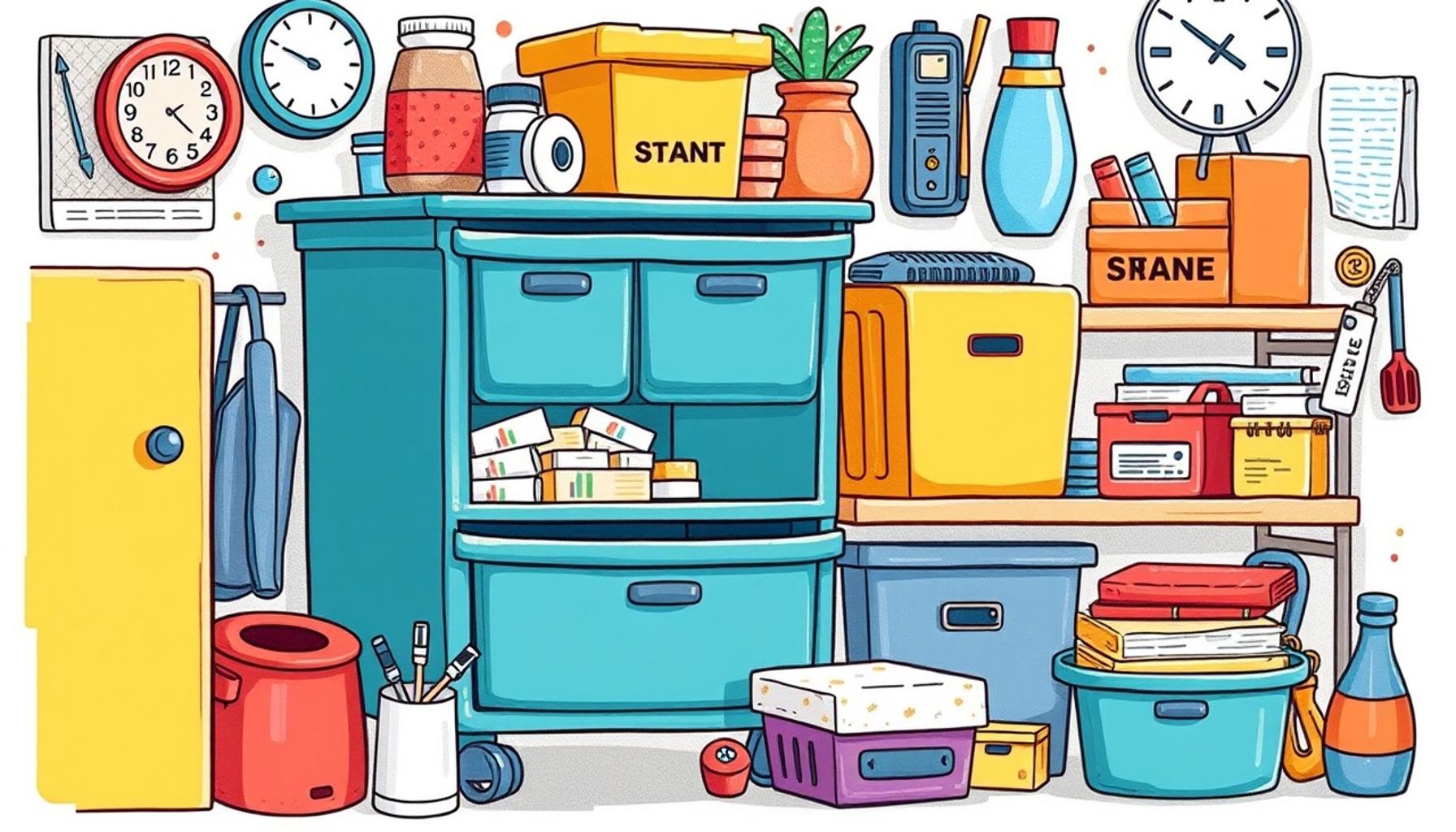
Accessibility is key. Store these supplies in easily reachable locations so family members can grab what they need without hesitation. This preparation not only speeds up your cleaning routine but also encourages spontaneous tidy-ups, especially on busy days.
Set Clear Expectations
For a cleaning schedule to be effective, everyone involved must understand their roles and responsibilities. Have an open discussion with your family where everyone can voice their opinions and preferences regarding the chores they are most comfortable handling. This conversation helps establish a sense of ownership and commitment. When assigning tasks, consider factors such as:
- Age Appropriateness: Younger children may not be able to tackle heavy-duty chores but can certainly manage tasks like sorting laundry or wiping down surfaces. Older children might take on more complex responsibilities, including cleaning bathrooms or vacuuming.
- Personal Preferences: If someone has a knack for cooking, perhaps they can clean the kitchen after meal prep. This specialization not only plays to individual strengths but can also make chores feel less daunting.
Setting clear expectations and ensuring everyone is on the same page helps cultivate a collective spirit of accountability, making daily and weekly cleaning more manageable and less stressful.
| Category | Advantages |
|---|---|
| Flexibility | Allows adaptations based on family needs, ensuring that everyone can contribute. |
| Time Management | Streamlines tasks, making it easier to incorporate cleaning into busy daily schedules. |
| Accountability | Creates a sense of responsibility among family members by clearly defining who does what. |
| Organization | Increases overall household organization through systematic delegation of chores. |
To craft a family cleaning schedule, start by assessing your household’s unique dynamics. Consider each family member’s strengths and preferences, as this can enhance participation and efficiency. Make sure to involve everyone in the planning phase; not only does this promote ownership of the chores, but it also ensures the tasks are evenly distributed, taking into account any busy schedules you may have.Integrating a digital tool or printable planner into your cleaning routine can add to its effectiveness. Using a shared calendar or app allows everyone to stay updated on their responsibilities and upcoming cleaning tasks. Additionally, consider setting aside specific days for deep cleaning items, such as the fridge or windows, ensuring that surface-level tidying does not overshadow important upkeep that maintains a truly clean living environment.Ultimately, crafting a workable cleaning schedule should not feel like a chore itself; rather, it should facilitate harmony in the family, result in a cleaner home, and even create bonding opportunities as members clean together.
DON’T MISS: Click here for easy home maintenance tips
Building Your Cleaning Schedule
After assessing your family’s needs and involving everyone in the planning process, it’s time to construct a cleaning schedule that’s not only manageable but also effective in maintaining a tidy home. A well-structured schedule can alleviate stress and foster teamwork. Here are some steps to help you create a personalized cleaning schedule:
Choose a Format That Works
- Digital vs. Paper: Decide whether your family would benefit more from a digital calendar or a physical one. Digital platforms like Google Calendar or apps specifically designed for household management can send reminders and scheduling alerts, making it easier for everyone to stay on track. On the other hand, a visible paper chart posted in a common area can serve as a daily visual reminder.
- Daily, Weekly, and Monthly Tasks: Organize tasks into categories for clarity. Daily tasks might include washing dishes or making beds, while weekly duties could involve vacuuming, mopping floors, and cleaning the bathrooms. Monthly chores can cover more in-depth tasks, such as decluttering closets or deep-cleaning the oven. This breakdown prevents chores from piling up and allows for a more structured approach.
Incorporate Flexibility
Life is unpredictable, and your cleaning schedule should reflect that reality. While consistency is crucial, adding a layer of flexibility allows everyone to adapt to changing circumstances. Consider the following:
- Rotation to Prevent Burnout: Rotating specific tasks among family members can lessen the monotony of always performing the same chores. For example, if one child is responsible for vacuuming each week, rotating this duty monthly can keep the responsibilities fresh and engaging.
- Buffer Days: Occasionally, dedicate a ‘catch-up day’ where family members can complete any missed tasks from the previous week. This prevents the schedule from feeling rigid and allows room for those unexpected events that may disrupt the norm.
Implement a Reward System
Motivation is key in maintaining enthusiasm about household chores. A reward system can serve as an effective incentive to keep everyone engaged in the cleaning routine. Here are some ideas to consider:
- Incentives: An incentive, such as a family movie night or an extra hour of screen time, can motivate children to complete their chores on time. Establish these rewards ahead of time to create a sense of excitement.
- Gamification: Turn cleaning into a fun game by introducing point systems, where family members earn points for completing tasks. Accumulating points can lead to larger rewards, increasing engagement and fostering a healthy competitive spirit.
Regular Reviews and Adjustments
Even after establishing a cleaning schedule, it’s important to periodically review its effectiveness. As your family grows or changes, so too should your cleaning routine. During these check-ins, ask yourselves:
- What’s Working: Take note of which tasks are being completed efficiently and which ones seem to be stumbling blocks. Learning what positions or tasks need more attention allows for better planning moving forward.
- Areas for Improvement: Don’t hesitate to make adjustments on the fly. If something feels overwhelming or your family dynamics change—say, a new pet enters the home or children become more involved in extracurricular activities—be willing to reallocate or reorganize tasks accordingly.
Remaining flexible and using a collaborative approach will help ensure that your cleaning schedule not only becomes a systematic part of your daily life but also respects the rhythms and routines of your family. Embracing this adaptability will ultimately lead to success in maintaining a clean and organized home.
DON’T MISS OUT: Click here for effective DIY cleaning tips
Conclusion
Creating a cleaning schedule tailored to your family’s unique needs is a vital step toward maintaining a harmonious and tidy household. By involving everyone in the planning process, selecting a format that resonates with your family, and establishing a mix of daily, weekly, and monthly tasks, you can build a routine that promotes both teamwork and accountability. Moreover, embracing flexibility ensures that your schedule remains relevant amidst the unpredictable nature of family life, helping you to manage tasks without feeling overwhelmed.
The incorporation of a reward system can further enhance engagement, making chores feel less like a burden and more like a fun challenge. This gamification of cleaning not only boosts motivation but also fosters a sense of unity and accomplishment as family members work together to achieve common goals. Regularly reviewing and adjusting the cleaning schedule keeps it aligned with your evolving family dynamics, further ensuring it remains effective over time.
In essence, a successful cleaning schedule isn’t merely a list of chores; it reflects your family’s values and priorities. By committing to a collaborative approach and remaining adaptable, you can cultivate a cleaner home environment, reduce stress, and create an atmosphere that encourages responsibility among all family members. Explore different methods and strategies, and remember that the right schedule is the one that fits seamlessly into your family’s lifestyle. A clean home is not just a physical space; it’s a foundation for family well-being, paving the way for happier and more organized living.

Linda Carter
Linda Carter is a writer specializing in efficient house cleaning and maintenance. With extensive experience helping readers keep their homes clean, organized, and well cared for, Linda shares practical guidance on cleaning routines, household upkeep, stain removal, and time-saving methods. Her goal is to provide simple tips and effective strategies that make home care easier, faster, and more manageable.