Sustainable Sewing Techniques: Creating Conscious Fashion with Recycled Materials
Understanding Sustainable Sewing
The fashion industry has long been one of the most resource-intensive sectors globally, contributing significantly to environmental degradation. However, as awareness grows, so does the shift towards sustainability. Consumers are now more informed than ever, seeking ways to align their sartorial choices with values that promote ecological consciousness. One effective route to achieving this is through sustainable sewing techniques, which embrace innovation while prioritizing the environment.
The Role of Recycled Materials in Fashion
The integration of recycled materials into clothing production has emerged as a pivotal strategy in combating fashion’s environmental footprint. By opting for recycled textiles, designers can:
- Reduce the demand for new textiles: Every kilogram of recycled fabric prevents the production of new fibers, conserving water and energy.
- Minimize landfill waste: By giving discarded clothes a new life, we curb the growing issue of textile waste that fills our landfills.
- Encourage ethical production practices: Recycled materials often come from local sources, promoting community entrepreneurship and fair labor conditions.
Sustainable Fashion in Nigeria
Nigeria offers a vibrant tapestry of local materials that can be transformed through sustainable practices. Traditional fabrics like Adire, a handmade cloth dyed using indigo and resistant techniques, showcase the country’s rich heritage while also serving as a model for sustainable production. By reviving these methods, local artisans create unique pieces, connecting contemporary fashion to cultural roots.
Additionally, upcycled denim is gaining traction, as creative individuals repurpose old jeans into fashionable bags, jackets, and accessories. The transformation of waste into stylish items not only stimulates creativity but also provides financial opportunities for many artisans and small business owners, fostering local economies.
Integrating Sustainability Into Daily Life
The global push towards sustainability necessitates a proactive approach to integrating these practices into everyday life. Here are some key aspects to explore:
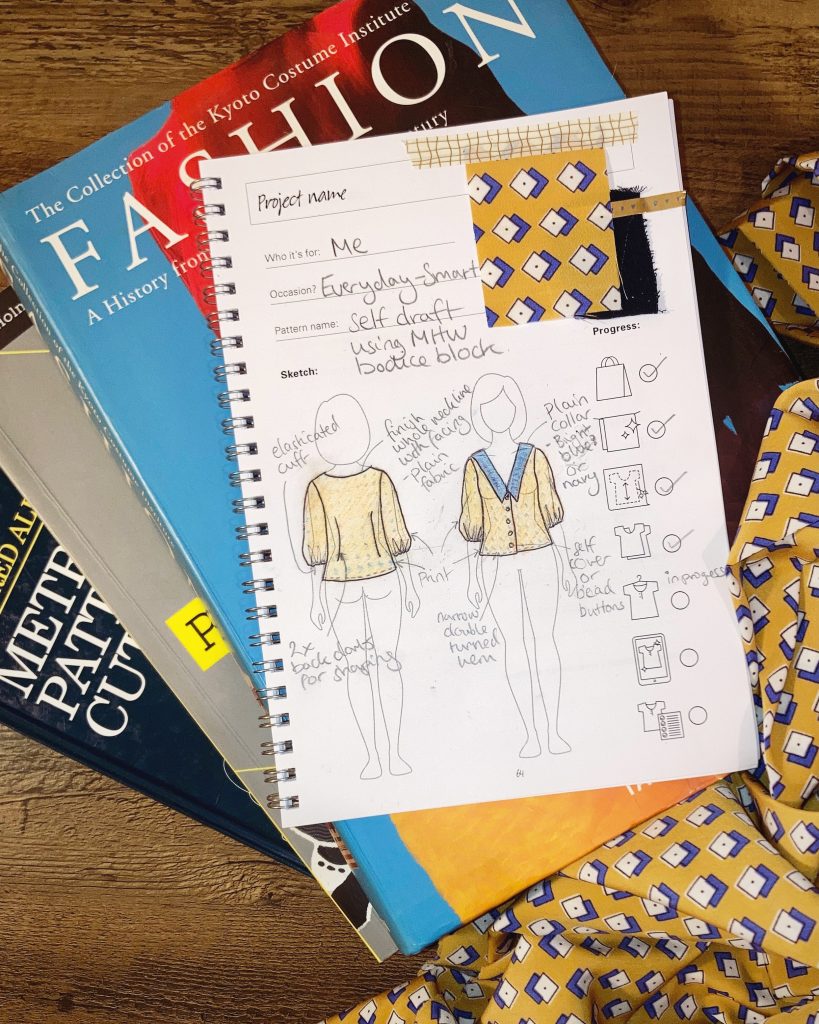
- Innovative recycling methods: Learn about community initiatives or workshops where individuals can bring in old clothes to be transformed into new garments, fostering a sense of shared responsibility.
- Techniques to transform waste into wearable art: Discover DIY projects that encourage individuals to utilize scraps and remnants creatively, turning what might be discarded into statement pieces.
- Impactful projects that inspire conscious fashion choices: Engage with local movements or organizations that champion sustainable practices and educate communities about the importance of eco-friendly fashion.
By adopting and promoting sustainable sewing techniques, we can pave the way for a more responsible fashion industry, one that values both aesthetics and ethics. Join this exciting movement to reshape the future of fashion, and in doing so, contribute to the preservation of our planet for generations to come.
SEE ALSO: Click here to read another article
Exploring the Benefits of Sustainable Sewing
Sustainable sewing goes beyond the mere act of stitching fabric together; it is a philosophy that intertwines craftsmanship with environmental stewardship. As communities around the globe, including those in Nigeria, start to recognize the potential of eco-friendly practices, the concept of sustainable sewing becomes a vital tool for change. This transformative approach underscores the need for creatives and fashion enthusiasts to rethink their operational methods and the raw materials used in their creations.
Utilizing recycled materials effectively plays a foundational role in sustainable sewing. Drawing upon existing textiles not only preserves precious resources but also emphasizes the art of storytelling—each piece created has a history, a narrative that connects the past with contemporary style. For instance, consider a Yoruba artisan who skillfully reuses thin cotton scraps from previous projects to craft a modern ensemble. This not only minimizes waste but also captures the essence of cultural heritage in every item.
The Environmental Impact of Recycled Materials
Adopting recycled textiles in sewing practices offers multiple environmental benefits that extend beyond mere aesthetics. By utilizing materials that would otherwise be discarded, the fashion industry can significantly reduce its carbon footprint, creating a more viable future. Some notable impacts include:
- Conservation of Resources: Producing new fabrics requires vast amounts of water, energy, and chemicals. By using recycled materials, the consumption rates diminish, leading to a more sustainable production cycle.
- Reduction of Pollution: The synthetic origins of many textile fibers contribute to pollution during manufacturing. Recycling alleviates these consequences by diverting waste from landfills and minimizing the demand for new productions.
- Support for Local Economies: Engaging local communities in the use of recycled materials fosters economic development. Artisans who work with recycled fabrics often invest back into their communities, creating a ripple effect of positive change.
As the movement towards sustainable sewing techniques gains momentum, Nigeria is poised at the forefront of this shift. The creative potential of local artisans provides a vibrant platform to inspire innovation. Initiatives that promote the upcycling of waste materials can lead to new trends in fashion—think of vibrant bags made from recycled plastic, or elegant dresses fashioned from discarded textiles. These notions encapsulate a blend of tradition and modernity that speaks not only to aesthetics but also resonates with a conscious consumer base.
Therefore, engaging with sustainable sewing techniques serves as a powerful means of catalyzing change within the fashion industry. By embracing recycled materials, individuals can contribute to a future where style does not come at the expense of our planet. The journey to creating conscious fashion through sewing is not just about reducing waste; it is about fostering a movement that champions creativity and sustainability.
| Advantage | Description |
|---|---|
| Environmental Impact | Utilizing recycled materials reduces waste and helps decrease the carbon footprint associated with fashion production. |
| Creativity & Innovation | Sustainable sewing techniques encourage designers to think outside the box, leading to unique and innovative fashion pieces. |
Exploring the advantages of sustainable sewing techniques reveals a profound connection between fashion and ecological mindfulness. One crucial advantage is the environmental impact; integrating recycled materials significantly minimizes clothing waste and lowers the carbon footprint tied to traditional textile production methods. This aligns with the growing consumer demand for more transparent and eco-conscious fashion choices.Moreover, the essence of sustainable sewing also lies in creativity and innovation. Designers embracing these techniques are compelled to repurpose and reconstruct materials, birthing unique fashion pieces that challenge conventional aesthetics. By utilizing items like upcycled denim or even fabric scraps, creators can manifest artistic expressions that define a new wave of fashion. This not only enriches the market with originality but also invites customers to value the stories woven into their garments. Thus, diving into the world of sustainable fashion unveils a myriad of possibilities fostering a more responsible and innovative industry.
LEARN MORE: This related article may interest you
Innovative Techniques for Sustainable Sewing
The creative world of sustainable sewing encompasses a variety of techniques designed to maximize the use of recycled materials while ensuring high-quality craftsmanship. By exploring innovative methods, artisans in Nigeria and beyond can produce striking pieces of fashion that tell a story rather than contribute to waste. As the sector evolves, here are some noteworthy techniques that can be adopted:
1. Upcycling: Breathing New Life into Old Fabrics
Upcycling is the practice of transforming old or discarded materials into new, usable items. This technique not only reduces waste but also opens avenues for creative expression. For example, a tailor can take old denim jeans and convert them into a stylish bag or a unique pair of shorts. By effectively merging functionality with creativity, artisans can not only capture the essence of modern fashion but also communicate a commitment to sustainable practices through their creations. As the Nigerian fashion industry embraces upcycling, local markets are filled with unique pieces that resonate with eco-conscious consumers.
2. Repair and Patchwork Techniques
Repairing and patching garments can extend their lifecycle, reducing the need for new materials. This technique often takes on the form of visible mending, where the repair process becomes an element of design rather than concealment. Nigerian artisans may utilize traditional patterns and vibrant colors for patchwork garments, infusing cultural identity into the clothing while effectively minimizing waste. This practice not only enhances garment durability but also creates pieces that reflect a narrative of care, sustainability, and craft.
3. Natural Dyeing: Creating Unique Color Palettes
Natural dyeing offers a sustainable alternative to synthetic dyes, which are often harmful to both health and the environment. By utilizing local plants and materials, artisans can develop a rich array of colors that highlight regional biodiversity. For example, using indigo derived from leaves or turmeric from golden root can create stunning visual appeal while aligning with eco-friendly practices. This technique encourages artisans to connect with nature and discover resources available within their community, further solidifying the link between sustainability and cultural identity.
4. Zero-Waste Design: Mindful Cutting Techniques
Zero-waste fashion focuses on creating patterns that manipulate the fabric without generating leftover scraps. This technique, while challenging, inspires creativity and innovation in garment construction. Artisans can deploy folding, draping, and clever cutting strategies to maximize the fabric usage. In Nigeria, this approach encourages an awareness of material resources across tailoring schools and workshops, fostering an environment where fashion and sustainability coexist harmoniously.
Moreover, the use of recycled materials impacts not only the artisans and the environment but also consumers. When individuals purchase pieces crafted from recycled items, they often engage in a narrative that extends beyond the object itself. They support a burgeoning industry that prioritizes sustainable practices and cultural heritage, reinforcing the notion that fashion can indeed enact positive change. The power of sustainable sewing techniques lies in their ability to weave a new tapestry of fashion—one that celebrates creativity, ingenuity, and respect for our planet.
RECOMMENDED: Check out this similar article
Conclusion: The Future of Conscious Fashion
In an era where environmental consciousness is paramount, the significance of sustainable sewing techniques cannot be understated. As highlighted throughout this exploration, the ability to transform discarded materials—ranging from upcycling and patchwork to natural dyeing and zero-waste design—emphasizes a profound shift in how fashion is perceived and produced. As artisans in Nigeria and other regions embrace these innovative practices, they not only address the pressing issue of textile waste but also enrich the cultural tapestry of fashion.
By choosing to invest in garments that embody sustainability, consumers align themselves with a larger movement that values creativity, resourcefulness, and environmental stewardship. The integration of recycled materials does more than speak to fashion trends; it serves as a clarion call for mindfulness in our consumption habits. Each piece crafted through these sustainable techniques not only showcases the artist’s skill but also tells a story of tradition, resilience, and responsibility.
As you explore the world of conscious fashion, consider the impact of your choices. Supporting artisans who practice sustainable sewing can foster a vibrant community that thrives on ethical production methods and environmental awareness. As the Nigerian fashion landscape continues to evolve, let it stand as a testament that true style is not just about aesthetics—it’s a commitment to ensuring a healthier planet for future generations. Embrace sustainable sewing techniques today and be part of the transformative journey towards conscious fashion.