
The Art of Ceramics: Shaping and Firing Techniques for Beginners
Exploring the Intricate Art of Ceramics
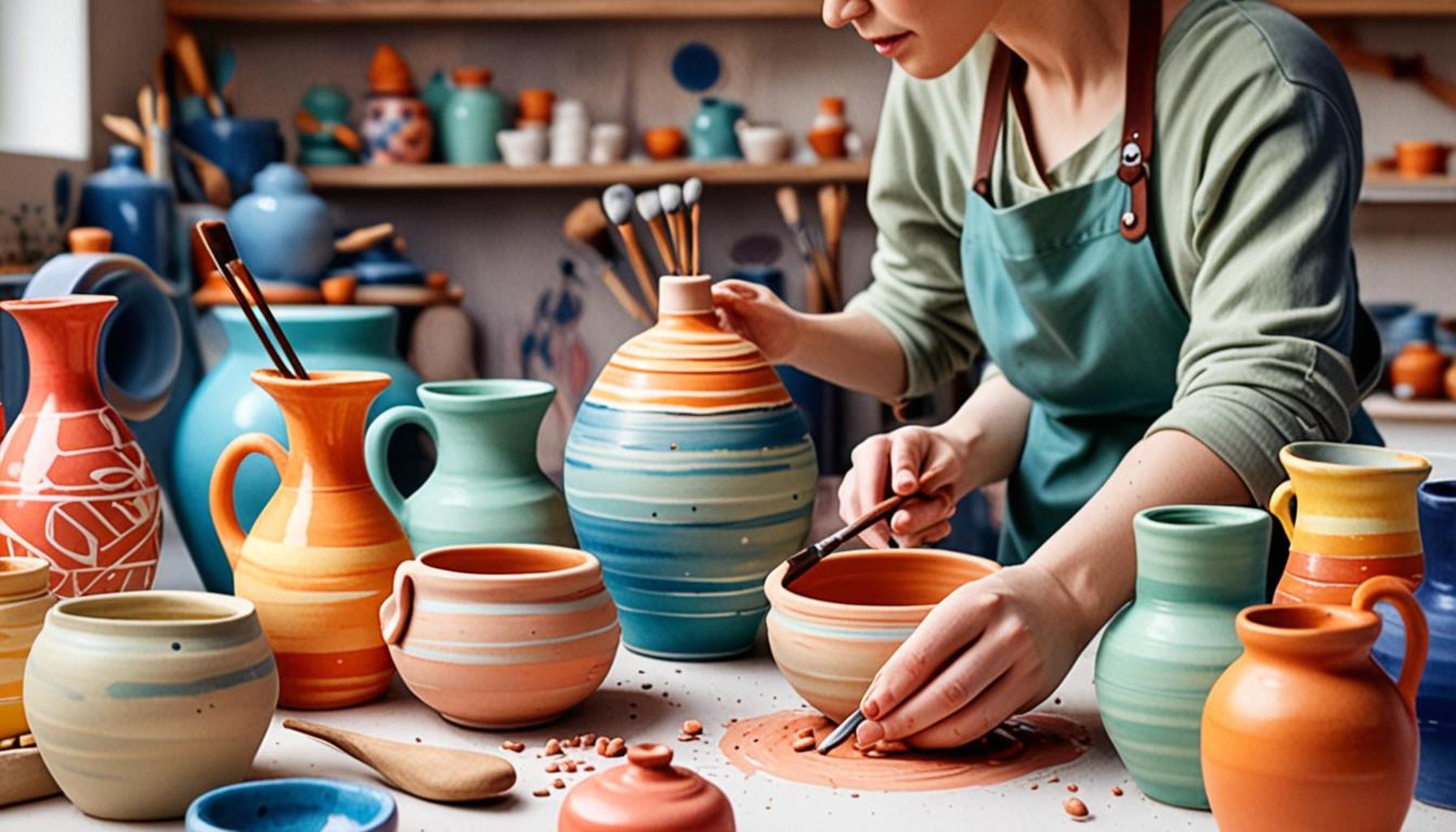
The journey into the world of ceramics is not only about molding clay but also about exploring a rich tradition that intertwines with various cultures and histories, particularly in Nigeria. The beauty of ceramics lies in the seamless blend of artistry and craftsmanship, culminating in pieces that can range from functional items to intricate sculptures. Each phase of the process, from the initial touch of raw clay to the transformative power of firing, is imbued with creativity and potential.
Essential Techniques for Beginners
For those new to ceramics, understanding the foundational techniques can give a sense of accomplishment and joy. Here are some crucial techniques to explore:
- Shaping Techniques: One of the first skills you’ll encounter is hand-building. Techniques like pinch pots allow you to start with a ball of clay, using your fingers to shape it into small bowls or cups. Slab construction involves rolling out clay into flat sheets, which are then cut and assembled to create larger forms like plates or boxes. These methods foster a hands-on connection with the material.
- Firing Processes: Understanding the firing process is crucial for transforming clay into durable ceramics. Bisque firing is the first stage, where pieces are heated to a certain temperature to remove moisture and harden the clay. This is followed by glaze firing, where colorful glazes are applied and the objects are fired again to achieve a glossy finish. It’s fascinating to see how different temperatures and kiln atmospheres can yield varied results, influencing both aesthetic and functionality.
- Materials Used: In Nigeria, local clays, such as red clay harvested from different regions, display unique properties. It’s essential to explore the various types of clay, like earthenware and stoneware, as well as the diverse glazes available. Clay suppliers and art markets across Nigeria can provide a wealth of options and insights into local ceramic traditions.
Ceramics in the Nigerian Context
Ceramics in Nigeria is a vibrant fusion of traditional heritage and modern innovation. Many local artists draw inspiration from cultural motifs, utilizing techniques passed down through generations while infusing contemporary styles. This blend results in pieces that not only serve practical purposes but also function as a narrative medium, reflecting individual stories, societal themes, and the rich tapestry of Nigerian life.
As you embark on this captivating craft, take time to delve deeper into the processes of shaping and firing clay. Each technique not only increases your dexterity but also broadens your appreciation for how versatile clay can be. The journey through ceramics is more than a skill—it’s a way of connecting with culture and creativity.
Stay tuned as we explore further the fascinating techniques that enrich the art of ceramics, making it an accessible and enjoyable pursuit for beginners and seasoned artists alike.
YOU MAY ALSO LIKE: Read read another article
Getting Started with Shaping and Firing Techniques
Beginning your journey into the art of ceramics demands not just a willingness to create but an eagerness to learn the intricacies of handling clay. Mastering the essential shaping and firing techniques is pivotal for any beginner, and it sets the stage for both personal expression and functional artistry. As you delve deeper into the world of ceramics, understanding these foundational skills will enhance your creativity and help you appreciate the nuances of the craft.
Shaping Techniques: Crafting Unique Forms
Shaping is where the magic begins, and for beginners, exploring different methods can spark a lasting passion for ceramics. Hand-building is one of the easiest and most accessible ways to start. This method primarily involves working with your hands rather than machines. Here are some essential hand-building techniques to explore:
- Pinch Pots: This technique involves forming a small ball of clay and using your fingers to pinch and mold it into a hollow shape. It is simple yet effective, allowing for creativity in sizes and designs, making it perfect for beginners.
- Coil Building: In coil building, you roll out long, snake-like pieces of clay that can be stacked and joined to create various forms. This method can be particularly rewarding as you can construct large decorative pieces or functional items like vases.
- Slab Construction: By rolling out slabs of clay and cutting them into shapes, this technique allows for more complex structures such as tiles, plates, and boxes. Slab construction is particularly popular in creating angular forms that provide a modern aesthetic.
As you gain confidence and skill, experimenting with various clays can lead to even more unique creations. Each type of clay offers different textures and finishes, influencing the final product.
The Firing Process: Transforming Your Creations
After shaping your pieces, the next crucial step is firing. Firing is where wet clay becomes durable ceramic, and understanding this process will elevate your artistry. There are two primary phases of firing that you should grasp:
- Bisque Firing: This initial firing removes moisture and hardens the clay at a relatively low temperature. It prepares the pieces for glazing and ensures they are sturdy enough for handling.
- Glaze Firing: After applying glaze, a second firing occurs at higher temperatures. This step is essential for achieving that glossy finish and vibrant colors. Different glazes can react uniquely in the kiln, providing you opportunities to experiment with aesthetics.
Understanding the firing process allows you to anticipate how your pieces will change and evolve, ensuring that you achieve the desired outcomes. Each firing cycle is an adventure, offering surprises and new learning opportunities.
As you embark on your ceramics journey, familiarize yourself with local materials and firing techniques. The rich tapestry of Nigeria’s ceramic tradition greatly influences contemporary practices and provides a wealth of inspiration. By investing time in mastering shaping and firing techniques, you open the door to countless creative possibilities.
As beginners delve into the world of ceramics, understanding the fundamental shaping techniques can elevate their craft significantly. There are several shaping methods, including hand-building, wheel throwing, and slip casting, each offering unique approaches to creating beautiful ceramic pieces.Hand-building is often the first technique that novices encounter. It encompasses various methods such as pinch pots, coil building, and slab construction. This technique allows artists to develop their personal styles while gaining a tactile understanding of the clay. Pinch pots are particularly popular for beginners, as they require only a handful of clay and some basic hand skills, making them perfect for those just starting out.Moving on to wheel throwing, this requires more practice and skill but offers the charm of creating symmetrical forms efficiently. Beginners may find it challenging at first, but the rewards of mastering the wheel can lead to stunning pieces, from bowls to vases. It is essential for novices to invest time in practice, as the initial learning curve can lead to incredible results.Slip casting allows for the replication of shapes and designs, employing a mold filled with liquid clay. This technique is particularly useful for producing multiples of a single design, which is ideal for those looking to create a cohesive collection. Understanding the drying times and properties of the slip is crucial for success in this method.Throughout each of these techniques, the significance of proper firing cannot be overstated. Firing transforms soft clay into durable ceramic by undergoing chemical changes through heat. Beginners should familiarize themselves with the types of kilns—electric, gas, and wood—and their firing schedules, as these will greatly influence the final outcome of their works.Incorporating glazes adds another enriching layer to the pottery process. Proper glazing techniques can enhance the aesthetic appeal of ceramics. Beginners should experiment with various glazes to understand how they react to different firing temperatures and atmospheres.As novices explore these shaping and firing techniques, they begin to appreciate the intricate balance between art and science in ceramics. This exploration ignites a deeper understanding and passion for the craft, encouraging them to hone their skills and innovate within the ceramic community. A supportive environment with workshops or classes can provide ample guidance and inspiration as beginners navigate their ceramic journey. To dive deeper into the nuances of these techniques, consider joining local ceramics clubs or online forums where enthusiasts share tips, experiences, and advice that can significantly enhance your learning experience.
YOU MAY ALSO LIKE: Read read another article
Exploring Glazing Techniques: Adding Color and Depth
Once your pieces have undergone bisque firing, it’s time to elevate them further with glazing techniques. Glazing not only adds color but also serves to enhance the functionality of ceramics by providing a protective layer. For beginners, understanding the various glazing methods can greatly enrich your artistic possibilities. Here are several popular glazing techniques to consider:
- Dipping: This straightforward technique involves submerging your piece directly into a bucket of liquid glaze. Dipping ensures an even coating and is excellent for larger pieces. However, managing the glaze consistency is vital to avoid drips or pooling.
- <strong.Brushing: For those who prefer precision, brushing glaze onto ceramics can create detailed designs. It allows for various effects, from solid colors to intricate patterns. This technique encourages creativity while giving you control over how much glaze you apply.
- <strong.Spraying: Using a spray gun, this technique creates a smooth and even application of glaze over your piece. It is especially effective for achieving subtle gradients and textures, perfect for modern ceramics that blend colors.
Each glazing method opens new avenues for creative expression. As you experiment, be sure to document your processes and results. This way, you can refine your techniques and develop a personal glazing style over time.
Understanding Kiln Types: Choosing the Right Environment
Equally important in the ceramic journey is understanding the different types of kilns available for firing. The choice of kiln can influence both the durability of your pieces and the aesthetic qualities achieved. Here’s a brief overview of the common kiln types used in ceramics:
- <strong.Electric Kilns: These are the most popular for beginners due to their ease of use and control over firing temperatures. They allow for programmable settings, ensuring consistent results each time.
- <strong.Gas Kilns: These kilns use gas to attain higher temperatures, offering unique atmospheric conditions that can alter the glass in glazes to produce stunning effects. However, they require more experience to handle safely and effectively.
- <strong.Raku Kilns: Recognized for their special firing technique, raku kilns are typically used for quick firings that create dramatic finishes. The process includes removing pieces from the kiln while they are still glowing hot and placing them in combustible materials to create rich textures.
As a beginner, researching different kilns available locally in Nigeria can fuel your passion for ceramics. Engaging with a local community or ceramics studio can also provide insight into which kiln type best suits your artistic goals.
Experimentation: The Heart of the Art
The essence of ceramics lies in experimentation. Embrace the process of trial and error as you delve into shaping and firing. Each piece you create brings forth opportunities for learning and growth. Consider joining workshops where you can learn alongside others, share techniques, and receive constructive feedback. Additionally, engaging with local artists can spark new ideas and collaborative ventures.
As you refine your skills, don’t hesitate to draw inspiration from traditional Nigerian pottery styles, renowned for their intricate designs and cultural significance. By merging traditional techniques with your unique approach, you can contribute to the rich narrative of ceramic art in Nigeria.
Ultimately, it is through exploration and practice that you will develop not only as a ceramicist but also as an artist. The journey may be filled with challenges, but the resulting creations will be a true testament to your dedication to mastering the art of ceramics.
RECOMMENDED: Check out this similar article
Conclusion: Embracing the Journey of Ceramics
In conclusion, the world of ceramics offers endless opportunities for creativity and self-expression, especially for beginners eager to explore shaping and firing techniques. From understanding the fundamental processes of hand-building and wheel throwing to mastering the intricacies of glazing, each step marks a progression in your artistic journey. By embracing experimentation, you can discover unique styles that resonate with your vision.
Engaging with local ceramics communities in Nigeria can significantly enhance your learning experience. These connections not only provide valuable feedback but can also inspire innovation as you explore traditional Nigerian pottery craftsmanship and contemporary practices. As you experiment with different kiln types and firing methods, remember that the goal is not just to create functional pieces, but to express your individuality through art.
As you advance in your ceramics journey, take time to reflect on your progress, celebrate your successes, and learn from your challenges. Document your processes and results to track your growth and refine your techniques. Joining workshops or collaborating with other artists will expand your knowledge and sharpen your skills, building a community that supports your passion for ceramics.
Ultimately, the art of ceramics is about passion, creativity, and the joy of learning. Whether you are crafting a simple mug or a complex sculptural piece, allow your unique perspective to shine through, and enjoy every moment of this rewarding craft. The journey is just as important as the finished piece, and with persistence and enthusiasm, you will undoubtedly create artworks that are meaningful and reflect your artistic voice.