The Evolution of Cleaning Tools: From Traditional to High-Tech Solutions
A Journey Through Time: The Development of Cleaning Tools
Over the centuries, cleaning tools have transformed dramatically, reflecting changing lifestyles and technological advancements. From the humble broom to sophisticated robotic vacuums, the journey of these cleaning solutions showcases human ingenuity and the desire for efficiency. The evolution of these tools not only highlights our dedication to hygiene but also tells a story of innovation and practicality that resonates with households across the United States.
Consider the following key milestones in this evolution:
- Traditional Tools: For centuries, brooms made of straw and mops constructed from cloth fibers were the primary methods for maintaining cleanliness in homes. These tools required significant physical labor, but they fostered a sense of community, as families often worked together to keep their homes tidy.
- The Industrial Revolution: This era marked a turning point in cleaning technology. The introduction of the mechanical carpet sweeper in the late 19th century, for instance, represented a significant leap forward. At the time, it reduced the monotonous task of cleaning rugs and carpets, which often had to be taken outside and beaten manually to remove dust and dirt.
- Modern Innovations: Today, household cleaning has been revolutionized by the advent of cordless and robotic vacuums. These innovations not only save time but also provide users with increased convenience. For example, the Roomba, a popular robotic vacuum, uses sensors to navigate around furniture while effectively sucking up dirt and debris, embodying an era of smart home technology.
This shift in cleaning tools emphasizes broader societal trends, such as:
- Time Efficiency: High-tech tools dramatically reduce the time required for cleaning tasks. With advanced vacuums and automatic scrubbers, homeowners can maintain cleaner environments without dedicating entire weekends to household chores.
- Sustainability: In recent years, the focus on eco-friendly cleaning tools has gained momentum. Many brands now offer biodegradable cleaning products and reusable mops, appealing to environmentally conscious consumers who seek to reduce their carbon footprint.
- Smart Technology: Many modern cleaning devices now come equipped with connectivity features, enabling users to control their cleaning schedules through smartphone apps. This integration of technology allows homeowners to maintain cleanliness effortlessly, aligning with the fast-paced lifestyles of today.
As we dive deeper into the evolution of cleaning tools, we unearth insights that highlight the intersection of technology and routine. It is evident that this evolution not only celebrates innovation but also prompts us to reflect on the ways we engage with cleanliness in our modern lives. Understanding the journey of these tools helps us to choose cleaning solutions that best meet our needs and lifestyles, paving the way for an efficient, clean, and harmonious home environment.
LEARN MORE: Click here to discover the importance of home sanitizing
From Brooms to Bots: Tracing the Roots of Cleaning Tools
The evolution of cleaning tools is a fascinating narrative that begins with simple, manual implements and gradually transitions into the realm of high-tech marvels, altering the very fabric of our cleaning routines. Historically, the most basic cleaning tools utilized the resources available in nature. Traditional tools such as brooms were created from straw or reeds, while mops crafted from cloth fibers were soaked in water to wipe away dirt. These early cleaning methods were labor-intensive and required significant physical effort but instilled a sense of community, as families often collaborated to keep their homes in order.
However, the landscape of cleaning began to shift significantly during the Industrial Revolution. This era brought forth innovations that laid the groundwork for modern cleaning tools. The introduction of the mechanical carpet sweeper in the late 19th century marked a pivotal moment. No longer did homeowners need to drag heavy rugs outdoors to beat out dust; this mechanical advancement transformed the way households maintained cleanliness. It was an early indicator of how technology would amplify efficiency and alter our perceptions of cleanliness.
As we progressed further into the 20th century, the advent of the electric vacuum cleaner revolutionized cleaning practices across American households. Introduced in the 1920s, the vacuum cleaner eliminated the arduous task of sweeping and paved the way for a more thorough and efficient cleaning experience. Early models were heavy and cumbersome, but they signaled a new direction in cleaning technology, one that was poised for constant evolution.
The Rise of High-Tech Cleaning Solutions
Today, we witness an unprecedented era of innovation in cleaning solutions. The shift towards high-tech cleaning tools epitomizes a broader societal desire for time efficiency and convenience. The introduction of cordless vacuums offers homeowners the freedom to clean without being tethered to a wall socket, enabling them to reach every nook and cranny effortlessly. Furthermore, the resurgence of smart technology has revolutionized how we approach cleanliness.
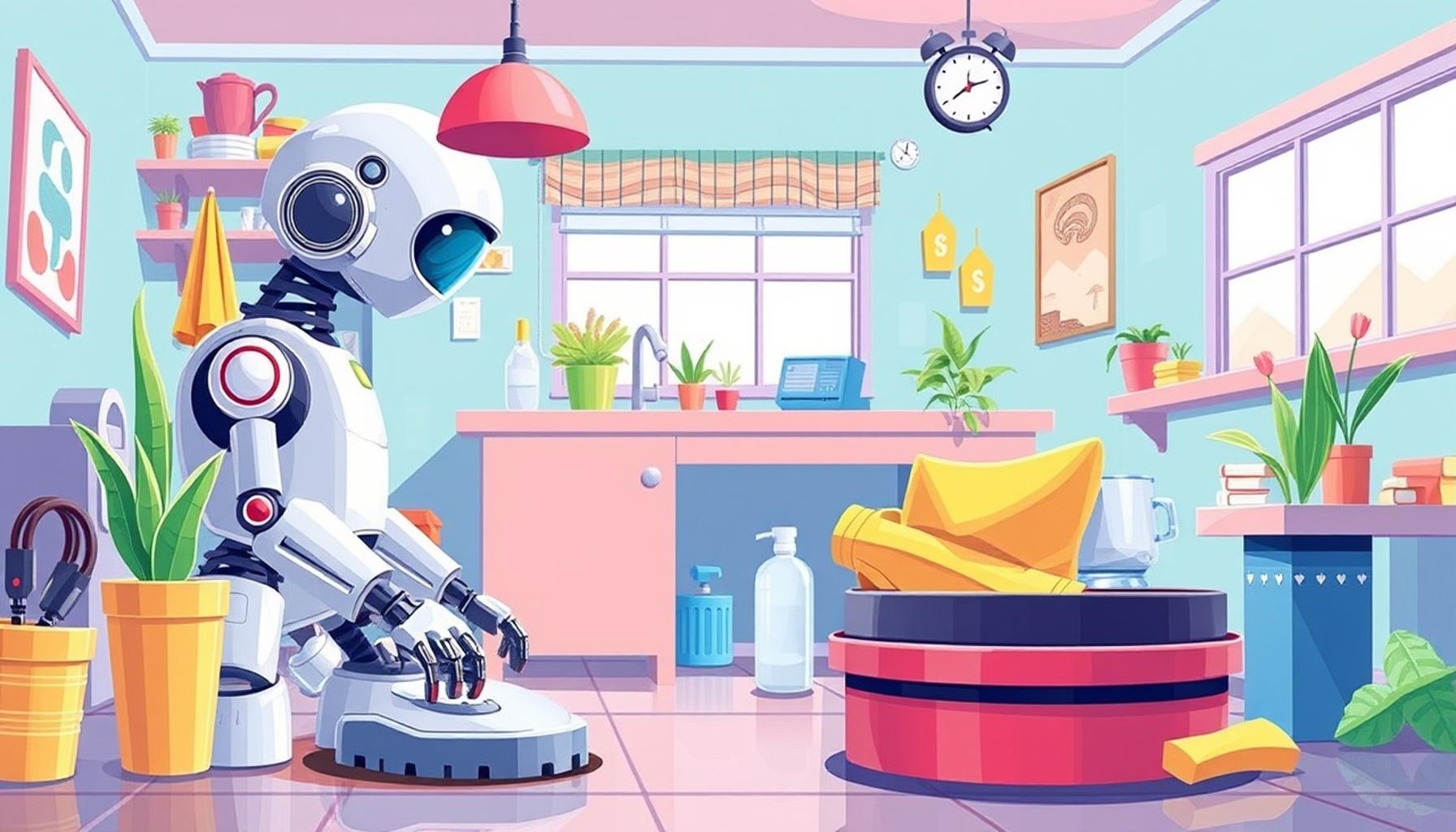
Consider the rapid rise of robotic vacuums, such as the Roomba, which encapsulate this evolution perfectly. These devices utilize sensors and mapping technology to navigate around furniture, maintain cleaning schedules, and even allow users to control them from their smartphones. This innovation captures the essence of modernity and the move towards smart home solutions, promising a cleaner living environment without the burden of constant supervision.
The increasing demand for sustainable cleaning practices has also influenced the marketplace, with many brands responding by developing eco-friendly products. The rise of biodegradable cleaning solutions and reusable cleaning implements is a testament to a growing environmental consciousness among consumers who seek to minimize their impact on the planet.
Ultimately, as we delve deeper into the topic of cleaning tools, it becomes clear that their evolution reflects societal changes, from the labor-intensive traditions of the past to the automated, high-tech solutions of today. Understanding this journey not only highlights advancements in technology but also allows us to appreciate the historical significance of cleaning tools and their role in maintaining hygiene throughout the ages.
The Evolution of Cleaning Tools: From Traditional to High-Tech Solutions
As we delve deeper into the evolution of cleaning tools, it becomes apparent that the shift from traditional methods to high-tech solutions is not merely a trend, but a significant transformation driven by advancements in technology. Today’s consumers are more focused on efficiency, effectiveness, and eco-friendliness, prompting manufacturers to innovate beyond conventional cleaning methods.
Traditional cleaning tools such as brooms, mops, and manually operated vacuums have served us well over the decades, but they often require considerable physical effort and time. The need to scrub and sweep can lead to fatigue, and while these methods work, they lack the efficiency that modern technology provides. With the advent of smart cleaning devices, like robotic vacuums and high-powered steam cleaners, users experience not just convenience but also enhanced performance in cleaning different surfaces.
The integration of smart technology into cleaning tools has introduced features like automated scheduling, real-time monitoring, and mobile app connectivity. Consumers can now control these devices remotely, ensuring their homes are clean even when they are away. High-tech solutions offer precision and adaptability, adjusting their cleaning approach based on the type of surface they encounter—be it carpet, tile, or hardwood.
Moreover, the innovation in cleaning tools has addressed environmental concerns. Many of the newer products are designed with energy efficiency in mind and often utilize less water and eco-friendly cleaning agents, aligning with the growing demand for sustainable living practices.
In summary, the evolution from traditional to high-tech cleaning tools represents a response to modern lifestyles, focusing on enhancing user experience while being more mindful of environmental impact. This exciting transformation motivates further exploration into specific products, brands, and the ultimate cleaning outcomes they provide.
| Category | Advantages |
|---|---|
| Traditional Tools | Familiarity and simplicity in usage, low initial cost. |
| High-Tech Solutions | Automated efficiency, improved cleaning results, and energy conservation. |
As households increasingly adopt these high-tech cleaning solutions, understanding their function and benefits becomes paramount for potential buyers eager to embrace the future of cleaning.
DISCOVER MORE: Click here to learn how to create a cleaning schedule that fits your family’s needs
Modern Innovations: Cleaning Tools for a New Era
The 21st century has ushered in a wave of innovations in the realm of cleaning tools, significantly enhancing the way we approach home maintenance and hygiene. The desire for convenience and effectiveness has led to an ongoing transformation, with innovations tailored to meet the demands of modern lifestyles.
Among the most notable advancements are steam cleaners, which utilize high-temperature steam to not only clean but also disinfect surfaces. These tools represent a sophisticated approach to cleaning, as they rely on the natural power of steam to eliminate stubborn stains and allergens without the need for harsh chemicals. In an age where health and safety are prioritized, steam cleaners appeal to consumers looking for a more eco-friendly cleaning solution.
The emergence of ultrasonic cleaners has further expanded the scope of cleaning tools. These devices are particularly popular in commercial settings, where they are employed to clean intricate items like jewelry, glasses, and even medical instruments. By utilizing high-frequency sound waves, ultrasonic cleaners create tiny bubbles in a liquid solution, which subsequently burst and provide an intensive clean that can reach every microscopic gap. This technology highlights the extent to which cleaning tools are evolving into specialized, precision-oriented devices that cater to specific needs.
Additionally, the advent of smart home ecosystems has led to a surge in cleaning tools designed for seamless integration into daily routines. Products such as smart mops and automated window cleaners are designed with advanced sensors and connectivity features that allow users to control and monitor them from smartphones or smart home hubs. These innovations not only streamline cleaning processes but also minimize time spent on household chores, propelling us into an age of effortless cleanliness.
The Role of Artificial Intelligence in Cleaning
Artificial intelligence (AI) has taken center stage in the evolution of cleaning tools, with many manufacturers now integrating AI capabilities into their products. Robotic vacuums, for instance, have transformed from simple cleaning devices to sophisticated machines equipped with learning algorithms that enable them to map homes, adapt to various floor types, and even optimize their cleaning schedules based on user habits. Companies like iRobot continue to push the envelope with features such as voice activation and compatibility with digital assistants like Amazon Alexa and Google Assistant.
This fusion of AI and cleaning technology not only enhances effectiveness but also fosters a deeper personalization of the cleaning experience. Consumers can set preferences or even instruct their robotic cleaners to focus on specific areas, thanks to advancements in machine learning that allow these tools to remember previous interactions.
Emerging Trends in Cleaning Technologies
As society becomes increasingly aware of the implications of health and cleanliness, trends such as the growth of antimicrobial cleaning tools are gaining traction. Manufacturers are now producing products infused with antimicrobial agents designed to inhibit the growth of bacteria and mold on cleaning tools themselves. This development reflects a growing commitment to hygiene that goes beyond surface-level cleaning, addressing the bacteria that can linger in our homes long after the dust has settled.
Moreover, the popularity of sustainable cleaning tools is on the rise, with consumers gravitating towards products made from recyclable materials and those that promise a reduced environmental impact. Innovations in design and manufacturing processes reflect this shift, with brands investing in research to create materials that minimize plastic use while maintaining efficacy.
In this dynamic environment of cleaning tool evolution, exploration and adaptation are paramount. As new technologies emerge and environmental standards evolve, the landscape of cleaning solutions will undoubtedly continue to progress, paving the way for even more efficient, effective, and eco-friendly options in the marketplace. Understanding these trends equips consumers not only with knowledge of how to leverage these advancements but also insight into their potential impact on home hygiene and sustainability in the future.
DISCOVER MORE: Click here for effective cleaning schedule tips
Conclusion: Embracing the Future of Cleaning Tools
The journey of cleaning tools from traditional to high-tech solutions is a remarkable testament to human ingenuity and the evolving needs of society. As we have seen, advancements such as steam cleaners and ultrasonic cleaners not only enhance the efficacy of our cleaning routines but also align with a growing focus on health and environmental sustainability. The integration of artificial intelligence into cleaning devices is revolutionizing how we maintain our homes, making chores less intrusive and more tailored to our individual lifestyles.
As we look towards the future, emerging trends in antimicrobial and sustainable cleaning tools signal a shift in consumer expectations and priorities. With a heightened awareness of bacteria’s role in our health, combined with a commitment to reducing our ecological footprint, today’s cleaning innovations are designed not just for efficiency, but also for the well-being of our families and the planet.
In this high-tech age, understanding the evolution of cleaning tools empowers consumers to make informed choices that will enhance both their cleaning practices and overall home hygiene. The cleaning landscape is set to continue evolving, and with each new innovation, we are presented with exciting possibilities that blend functionality with responsibility. As cleaning habits adapt to modern life, there has never been a better time to explore and embrace the myriad of tools available, paving the way for a cleaner and healthier future.

Linda Carter
Linda Carter is a writer specializing in efficient house cleaning and maintenance. With extensive experience helping readers keep their homes clean, organized, and well cared for, Linda shares practical guidance on cleaning routines, household upkeep, stain removal, and time-saving methods. Her goal is to provide simple tips and effective strategies that make home care easier, faster, and more manageable.