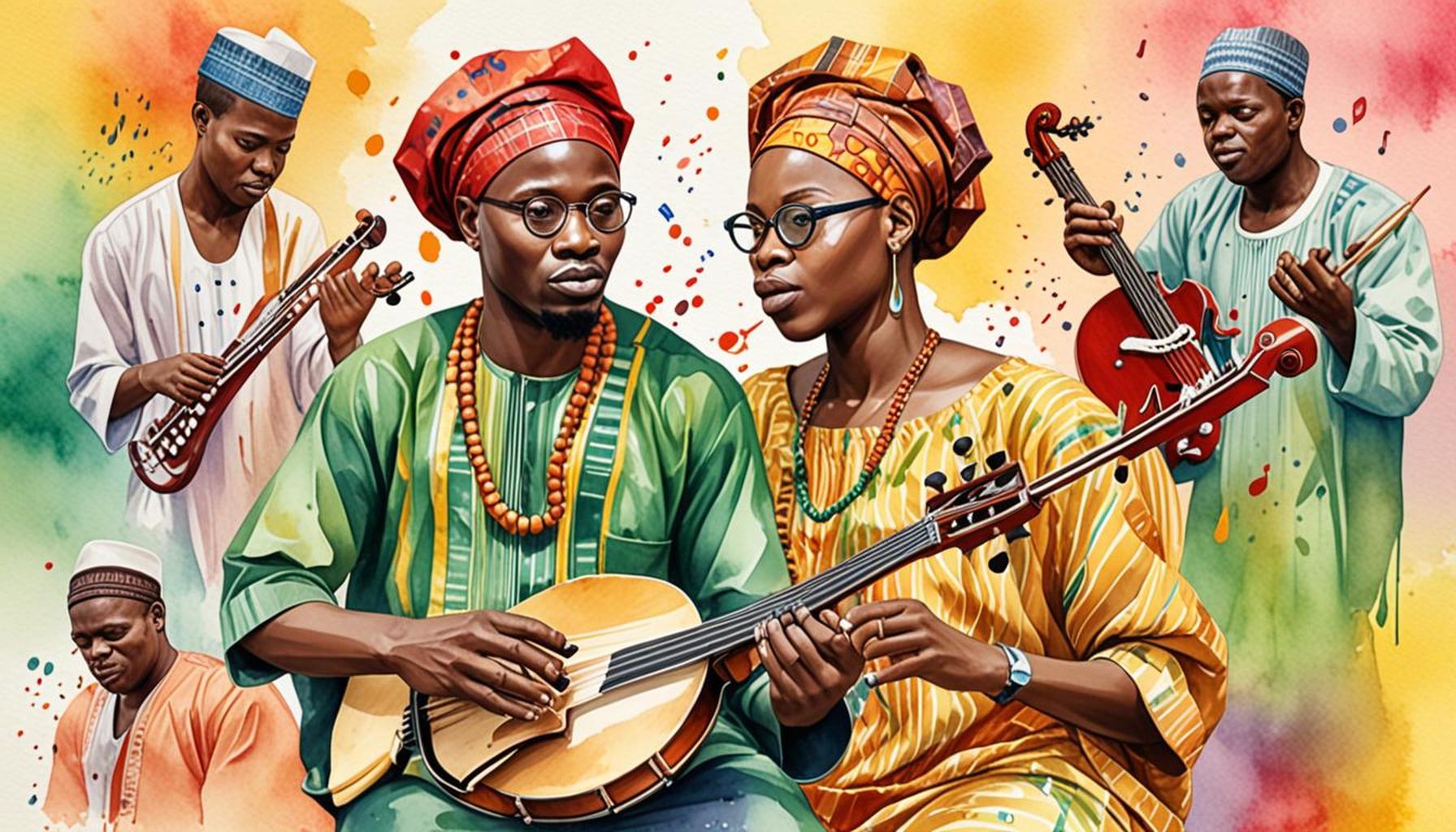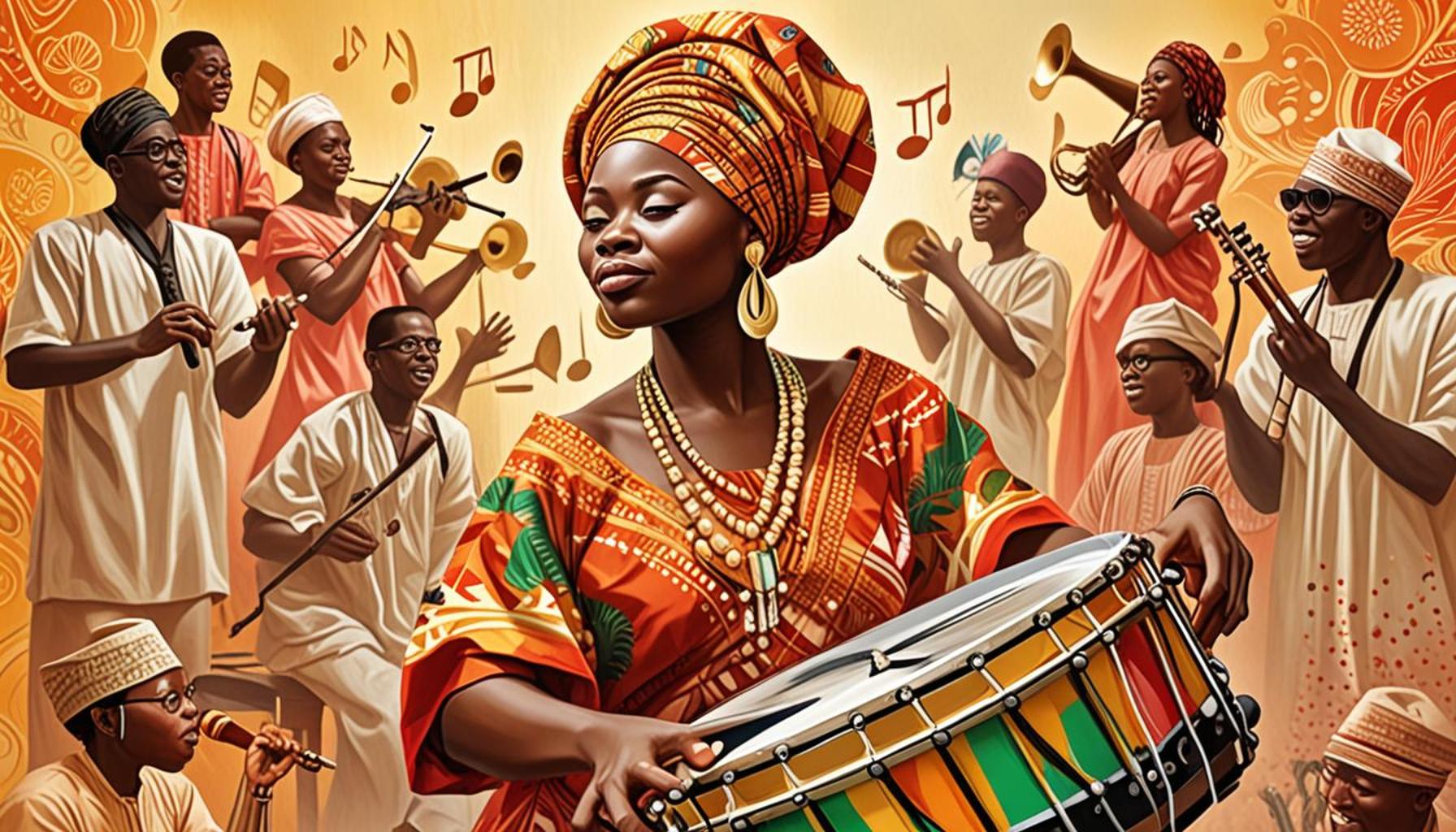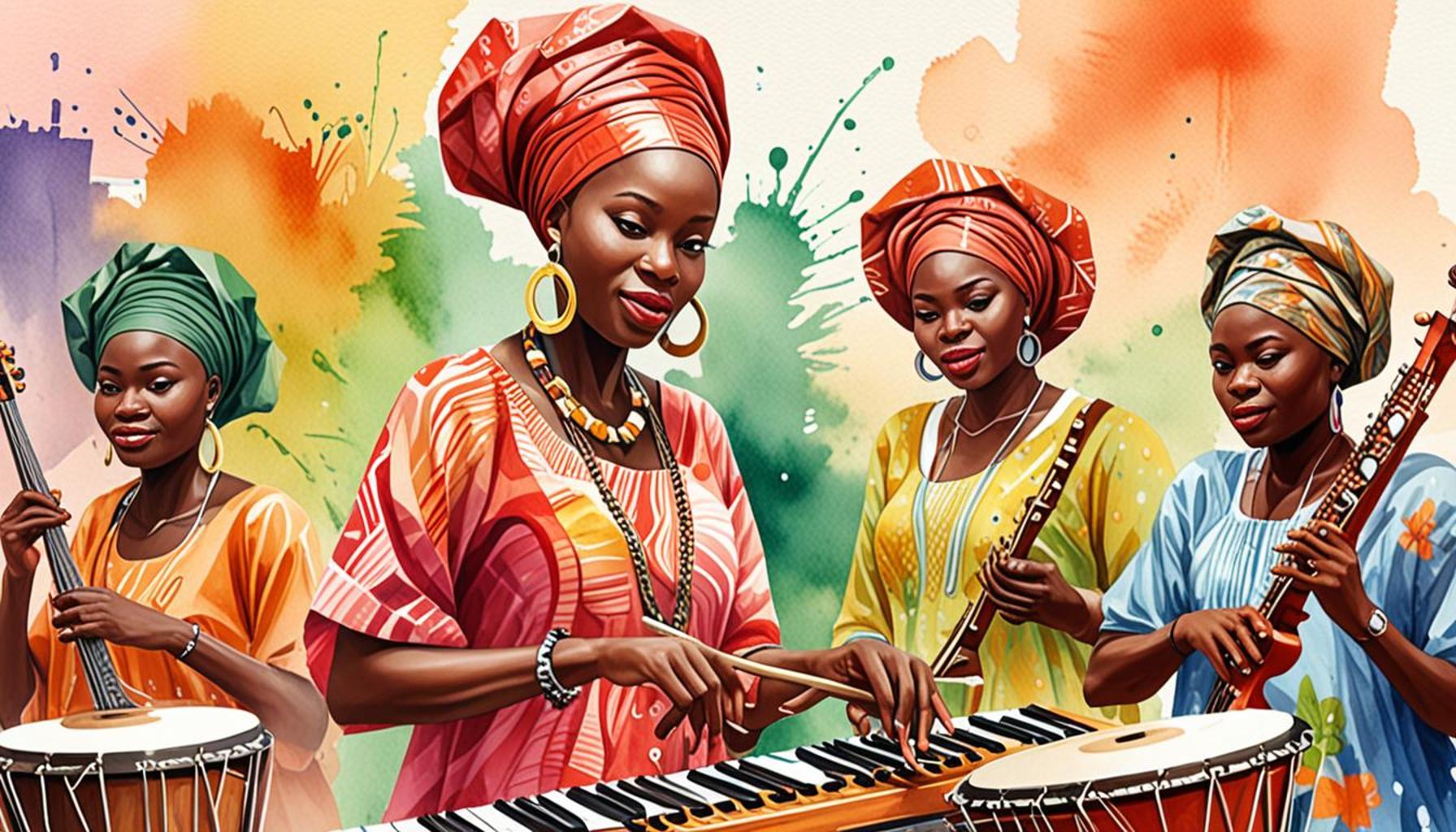
The Evolution of Music Genres in Nigeria: From Highlife to Afrobeats
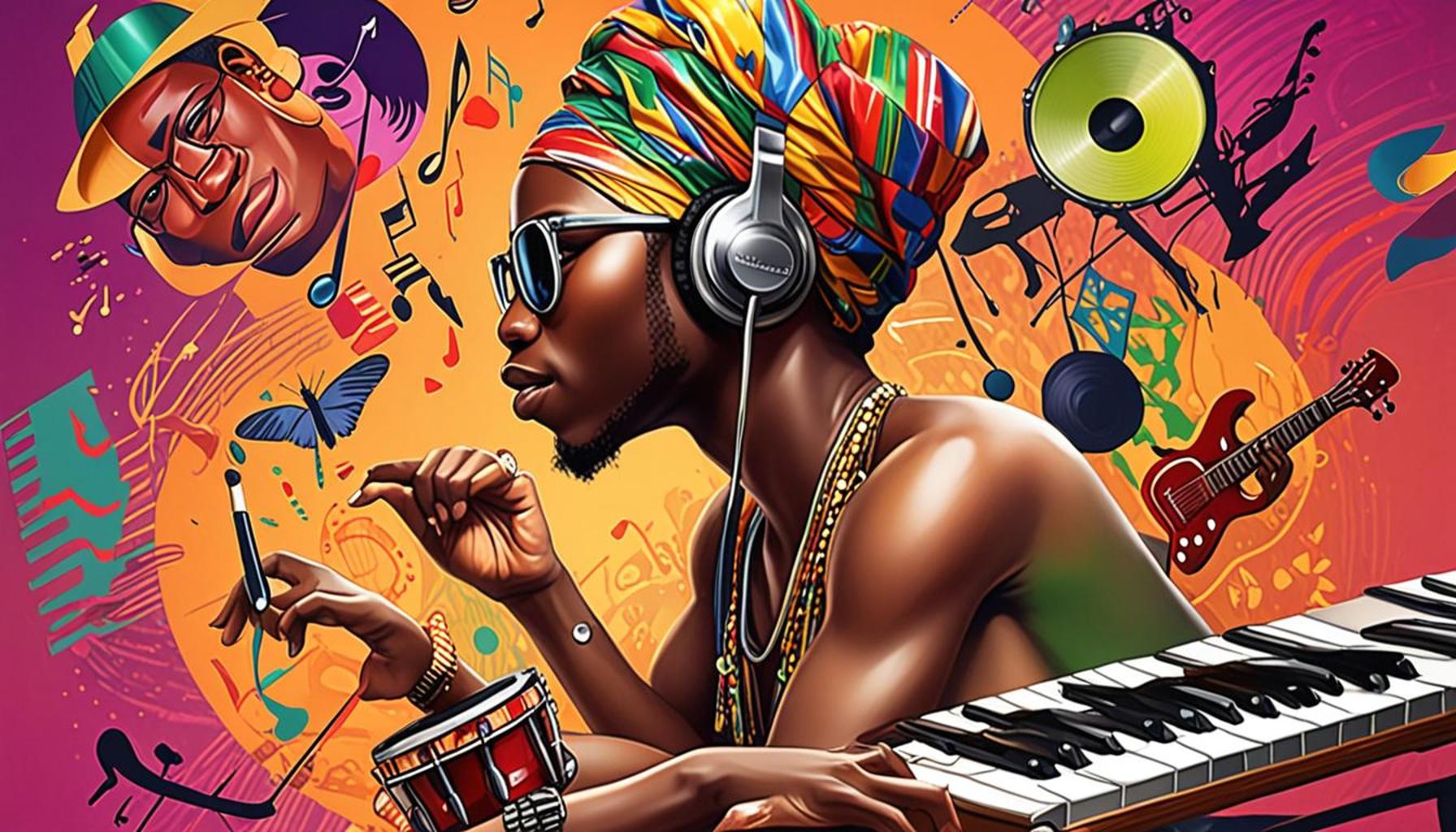
Exploring the Richness of Nigeria’s Musical Heritage
The richness of Nigeria’s music scene is a vibrant tapestry woven from diverse genres and influences. Over the decades, the country has witnessed the rise and fall of various musical styles, each leaving a unique mark on its cultural landscape. Today, we explore this fascinating journey, focusing on the key genres that have shaped Nigeria’s identity.
The Journey Through Genres
From the soulful melodies of Highlife to the infectious rhythms of Afrobeats, the evolution of music in Nigeria is a story worth telling. Key genres that have played a significant role include:
- Highlife: Originating in the early 20th century, it blends traditional African rhythms with Western instruments, including guitars, horns, and keyboards. Highlife was popularized in regions like Lagos and Accra, with figures such as E.T. Mensah and I.K. Dairo leading the way. The genre encapsulated the aspirations of the time, combining African storytelling with upbeat danceable tunes, allowing it to flourish during festive occasions and dance halls.
- Juju: Developed through rich Yoruba musical traditions, Juju integrates traditional instruments like the talking drum and shekere with contemporary elements. Artists like Sikiru Ayinde Barrister and King Sunny Adé brought this genre to prominence, with lyrics often reflecting themes of love, spirituality, and societal issues. The intricate rhythms and melodic structures make Juju a staple at social gatherings, weddings, and cultural festivals.
- Fuji: This genre born from Yoruba folk music is characterized by its energetic beats and improvisational prowess. It arose in the late 20th century, evolving from the conversational musical styles of traditional Yoruba performers. Prominent artists like Ayinde Wasiu Marshal and Alhaji Wasiu Alabi Pasuma popularized Fuji in urban settings. It often features complex drum patterns and a call-and-response style, making it a communal experience during celebrations.
- Afrobeats: A contemporary fusion gaining global recognition, Afrobeats combines African rhythms with various international influences, including hip-hop, dancehall, and electronic music. Artists such as Burna Boy, Wizkid, and Davido have pushed the genre onto the world stage. This genre has revolutionized the Nigerian music scene, appealing to a global audience and demonstrating the innovative spirit of Nigeria’s contemporary artists.
Each of these genres reflects the unique cultural diversity found within Nigeria’s borders. With the advent of technology and global communication platforms like YouTube and Spotify, many artists are now able to share their music with the world. This has led to exciting new collaborations and fusion sounds that transcend geographic and cultural barriers, exposing Nigerian music to a broader audience and creating international hits.
Join us as we delve deeper into each genre, uncovering its history, characteristics, and impact on today’s music scene. Whether you are a long-time fan or a curious newcomer, the dynamic world of Nigerian music promises an enriching experience that reflects the heart and soul of its people. The fusion of tradition and modernity in these genres not only celebrates Nigeria’s rich heritage but also highlights its ongoing cultural evolution.
YOU MAY ALSO LIKE: Read read another article
The Rich Tapestry of Nigeria’s Musical Evolution
Nigeria’s musical journey is a captivating exploration of cultural intersections, rhythms, and harmonies that resonate through the ages. Each genre—representing various eras—has played a pivotal role in mirroring the socio-political landscape of the country while simultaneously embracing global influences. As we travel from Highlife to Afrobeats, it becomes clear that music in Nigeria is not merely a form of artistic expression; it is an embodiment of identity, history, and community.
Highlife: The Foundation of Modern Nigerian Music
Originating in the early 20th century, Highlife serves as the bedrock of Nigeria’s contemporary music scene. This genre began in Ghana, resonating with the sounds of Western jazz and swing, and quickly spread to Nigeria, especially in the bustling cities of Lagos and Port Harcourt. Musicians like I.K. Dairo and E.T. Mensah were instrumental in popularizing Highlife, which often features jazzy horns, guitars, and the traditional talking drum, creating a lively atmosphere that became synonymous with festive celebrations and social gatherings.
Highlife’s ability to adapt to changing times signified its resilience and relevance. The genre eloquently narrated tales of love, hardship, and hope, connecting deeply with the experiences of the Nigerian populace during the colonial era and post-independence. Today, Highlife continues to influence many contemporary artists, serving as a bridge to Nigeria’s musical roots while integrating modern instrumentation.
The Rise of Juju: Tradition Meets Innovation
Following the nurturing soil of Highlife, Juju emerged, drawing heavily from Yoruba music traditions. This genre flourished in the 1930s and 1940s, with legends such as King Sunny Adé and Sikiru Ayinde Barrister at the forefront, enriching its sound with both traditional and contemporary musical components. Juju is festooned with intricate rhythms created by instruments like the talking drum, guitar, and shekere, making it a dynamic experience that encourages participation and dance.
At its core, Juju reflects cultural narratives about societal roles, relationships, and spirituality. The lyrics often strike a chord with listeners, addressing issues that resonate with everyday life. Today, the genre continues to flourish at weddings, street parties, and other social gatherings, reinforcing its position within Nigerian culture.
Fuji: The Voice of the Streets
As the musical landscape continued to shift, Fuji emerged in the late 20th century, evolving from traditional Yoruba folk music to become a popular urban genre. Artists such as Ayinde Wasiu Marshal have been pivotal in defining Fuji, ensuring its status as a cultural emblem representing the experiences of the youth. Fuji music is characterized by its energetic beats, improvisational lyricism, and strong ties to the Yoruba community, often incorporating themes of joy and communal camaraderie.
Unlike its predecessors, Fuji music has not just survived; it has thrived by assimilating influences from various genres, including hip-hop and R&B. The genre connects with both older and younger generations, capturing the essence of Nigerian street culture while adapting to contemporary trends.
The infusion of traditional elements into modern musical expressions showcases Nigeria’s ability to innovate while preserving its rich heritage. Through the intertwining of genres, the Nigerian music landscape prepares to evolve further, paving the way for newer expressions as we delve deeper into the phenomenon of Afrobeats and its global impact.
The Evolution of Music Genres in Nigeria: From Highlife to Afrobeats
As Nigeria’s musical landscape transitioned through the decades, the narrative of genres intertwining provided a rich tapestry of cultural expression. Highlife, characterized by its jazzy horns and soothing melodies, set a solid foundation. Emerging from the coastal towns in the early 20th century, it expressed the joys and sorrows of the Nigerian experience, captivating audiences both locally and internationally. The rhythm of Highlife is distinctly African, yet it embraced Western influences, particularly from jazz, creating a unique sound emblematic of Nigeria’s diverse heritage.The 1970s birthed a new era with the rise of Afrobeat, spearheaded by the legendary Fela Kuti. This genre combined traditional African rhythms with funk, jazz, and highlife, leading to a bold, revolutionary sound that not only entertained but also served as a vehicle for socio-political commentary. Fela’s iconic performances and unapologetic lyrics players highlighted the struggles faced by Nigerians, challenging both governmental authority and societal norms. Consequently, Afrobeat became more than just music; it became a movement, advocating for social change and awareness.By the turn of the millennium, the music scene experienced yet another metamorphosis with the emergence of Afrobeats, a contemporary genre that skillfully melds different styles, including dancehall, hip-hop, and pop. Artists like Wizkid and Burna Boy have propelled Afrobeats onto the global stage, showcasing Nigeria’s rich culture to an international audience. Today, Afrobeats is synonymous with vibrant beats and infectious energy, driving dance floors worldwide.
Understanding the Cultural Impact
The impact of these genres transcends mere entertainment; they connect generations and offer a lens into Nigeria’s historical and cultural narrative. Through the years, they have reflected societal changes, enriching the country’s identity and promoting pride in its musical heritage.
| Advantage | Description |
|---|---|
| Cultural Preservation | Each genre encapsulates unique cultural elements, helping to preserve Nigeria’s rich history. |
| Global Influence | Afrobeats and Afrobeat connect Nigeria with the global music scene, elevating Nigerian talent internationally. |
As you explore these interconnected genres, the musical journey from Highlife to Afrobeats reveals not only Nigeria’s artistic evolution but also its societal shifts, promising an exciting future for music in the nation.
YOU MAY ALSO LIKE: Read read another article
The Birth of Afrobeats: A Global Phenomenon
As Nigeria’s musical evolution marches forward, we reach a vibrant chapter characterized by the explosion of Afrobeats. Emerging in the early 2000s, well into the 2010s, Afrobeats is not a single genre but rather an amalgamation of sounds, drawing from various influences including Highlife, Juju, dancehall, hip-hop, and even electronic music. This genre has become a cultural force, transcending borders and resonating with audiences far beyond Nigeria.
The Sound and Style of Afrobeats
Afrobeats is marked by its upbeat tempos, infectious rhythms, and catchy melodies that immediately invite listeners to dance. Artists like Wizkid, Davido, and Burna Boy have become global ambassadors of this genre, infusing traditional African instrumentation with contemporary production techniques. The use of electronic beats alongside live instrumentation provides an exciting synergy that captivates audiences of all ages.
One of the defining features of Afrobeats is its lyrical versatility, encompassing themes of love, social justice, and partying. The use of Pidgin English and indigenous languages in songs enhances relatability among Nigerian listeners and demonstrates the genre’s roots in the country’s rich linguistic landscape. This linguistic blend not only fosters inclusivity but also highlights Nigeria’s dynamic cultural identity.
Cultural and Global Impact
The rise of Afrobeats has been meteoric, contributing significantly to Nigeria’s cultural export. International collaborations have become a hallmark of the genre, with artists like Drake and H.E.R. featuring Nigerian musicians on their tracks. This fusion of global and local talent has not only propelled Afrobeats to mainstream platforms but has also fostered cultural dialogue, making Nigerian music a staple in international music charts.
The music video for Burna Boy’s “Location,” featuring an exceptional blend of rhythm and modern visuals, encapsulates the genre’s essence and illustrates how it breaks barriers. Similarly, Wizkid’s “Essence” has drawn worldwide acclaim, further cementing Afrobeats’ place in popular culture. The glittering accolades from international award shows reflect the genre’s influence and growing recognition on a global scale.
Afrobeats Festivals: Celebrating the Movement
The vibrant energy of Afrobeats is also celebrated through numerous music festivals across Nigeria and beyond. Events like the Lagos Afrobeat Festival and Afrobeats to the World attract thousands of fans eager to experience the pulsating rhythms and electrifying performances live. These gatherings serve not only to showcase top talents but also to strengthen the community bond among fans and artists alike.
As Afrobeats continues to evolve, its impact on the global music scene underscores a significant cultural shift. The genre represents a reclamation of African identity and a celebration of its diversified musical heritage. With its infectious sound and powerful narratives, Afrobeats not only entertains but also fosters a sense of pride in the rich traditions from which it is birthed, inviting listeners to explore the broader tapestry of Nigeria’s musical landscape.
YOU MAY ALSO LIKE: Read read another article
Conclusion: The Rhythmic Journey of Nigeria’s Musical Evolution
The evolution of music genres in Nigeria, from Highlife to the explosive rise of Afrobeats, is a testament to the nation’s dynamic cultural landscape and artistic resilience. Each era has contributed uniquely to the rich tapestry of Nigeria’s musical heritage, reflecting the social, political, and emotional fabric of its time. The seamless transition from the jazz-infused melodies of Highlife, characterized by its intricate guitar riffs and brass elements, to the infectious beat of Afrobeats illustrates a cultural transformation that resonates globally.
As Afrobeats captures the attention of international audiences, it showcases not only the talents of Nigerian artists but also highlights the country’s growing influence in the world music scene. Artists like Wizkid, Davido, and Burna Boy have become cultural icons, bridging local sounds with global trends and making Nigerian music an essential part of contemporary popular culture. The genre’s lyrical diversity and its roots in indigenous language strengthen its connection with a generation eager to celebrate their African heritage.
In conclusion, the journey of Nigeria’s music genres is far from over. As artists continue to innovate and collaborate, we can anticipate the emergence of new sounds that will evolve the rich narrative of Nigerian music. The ongoing celebration of festivals and the rising trend of international collaborations ensure that the story of Nigeria’s musical heritage, marked by Afrobeats, will thrive and inspire future generations. Exploring this vibrant evolution invites us to celebrate not just music, but the enduring spirit of a nation that continues to rhythmically captivate the world.