The Influence of Nigerian Spices on Global Cuisine
Exploring the World of Nigerian Spices
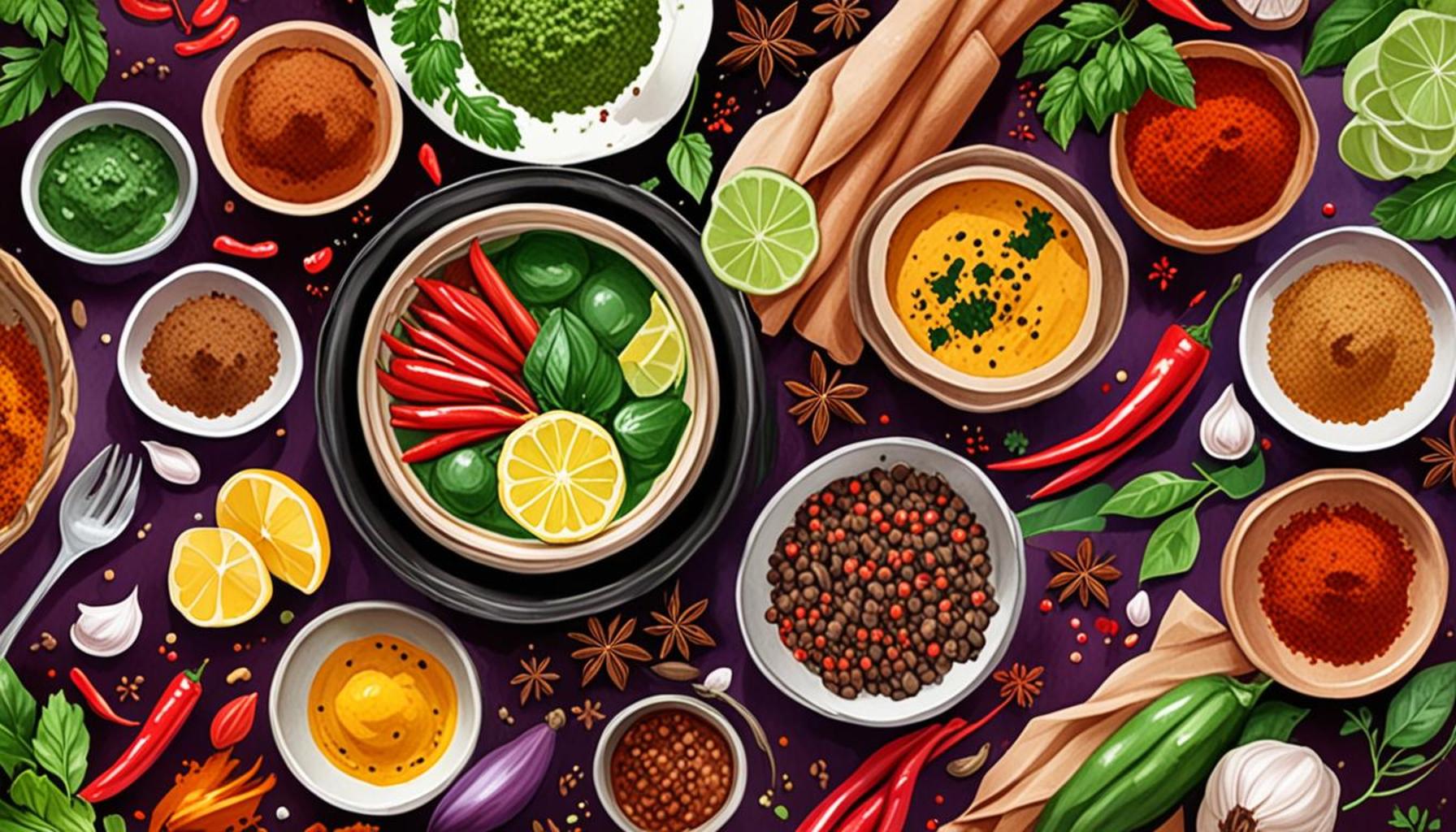
Across continents and cultures, the essence of Nigerian spices is weaving its way into kitchens worldwide. From the aromatic richness of suya spice to the fiery kick of pepper soup mix, these ingredients are transforming global culinary practices. The unique flavors and aromas have not only gained popularity within Nigeria but have also redefined the cooking scenes in countries far and wide.
Nigerian cuisine boasts a diverse array of spices that are not only integral to its dishes but also influential on a global scale. Each spice carries its own story, reflecting the agricultural richness and cultural diversity of Nigeria. Here are a few key spices:
- Ehuru (African nutmeg): Known for its warm, nutty flavor, ehuru is a versatile spice that enhances dishes like pepper soup and jollof rice. It adds an aromatic quality that can elevate even simple meals.
- Uziza seeds: With their peppery and slightly bitter taste, uziza seeds are often used in traditional soups and stews, imparting a unique flavor profile that excites the palate. Chefs are increasingly incorporating uziza in fusion dishes to intrigue adventurous diners.
- Locust beans (iru): This fermented condiment, often described as providing a depth of flavor similar to that of miso, is commonly used in traditional dishes like egusi soup. Its rich, umami flavor is a must-have for those seeking authentic Nigerian cooking experiences.
As international chefs experiment with these distinct flavors, they contribute to a fusion of culinary traditions that is reshaping menus globally. Notable examples include:
- High-end restaurants in major cities such as New York and London are embracing Nigerian spices by including them in gourmet dishes, attracting food enthusiasts eager to explore new flavors.
- Home cooks worldwide are discovering the joy of incorporating local Nigerian spices into classic recipes, such as adding suya spice to grilled chicken or mixing locust beans into vegetable dishes for an extra kick.
- Food festivals across Europe and North America are celebrating African cuisine and specifically Nigerian dishes, allowing chefs to showcase the vibrant use of spices that define the culinary landscape in Nigeria.
This fascinating trend raises questions about the role of culture in food and how local ingredients can reshape global culinary landscapes. As the popularity of Nigerian spices continues to grow, it is vital for both chefs and home cooks to appreciate the heritage and traditions that these spices represent. Discover how Nigerian spices are not just enhancing local dishes but revitalizing the art of cooking around the world, inviting inquisitive palates to embark on a flavorful journey.
ADDITIONAL INSIGHTS: Expand your understanding here
The Rich Legacy of Nigerian Spices
The global culinary landscape is undergoing a remarkable transformation, and at the heart of this evolution is the enriching influence of Nigerian spices. Traditionally rooted in the diverse cultures of Nigeria, these spices are now making waves across kitchens around the world. Renowned for their robust flavors and aromatic qualities, Nigerian spices bring not just taste but also a cultural narrative that speaks volumes about their origins.
Central to the allure of Nigerian cuisine is its unique blend of spices that has captured the imaginations of chefs and home cooks alike. An intriguing aspect of these spices is their ability to adapt, melding seamlessly into various culinary traditions. Consider, for instance, the way suya spice, with its complex medley of ground peanuts and traditional roast spices, has made its way into fusion dishes globally. From suya tacos to suya-infused burgers, culinary artists are exploring new dimensions by reinvigorating classic recipes with this zesty Nigerian spice.
In addition to suya spice, spices like pepper soup mix are not just enhancing dishes but are becoming the star of many meals in international gastronomy. The pepper soup mix’s blend of spices creates a warming sensation in the mouth, perfect for bringing malaise and chilly evenings to life. As culinary enthusiasts in places such as Dubai and Toronto discover this fiery blend, they find that it adds a distinctive kick to their traditional soups and broths, melding Nigerian flavors with local tastes.
Another example of this flourishing influence is the widespread use of Ehuru (African nutmeg). This versatile spice is enriching dishes beyond Nigerian borders, becoming a prized ingredient in contemporary kitchens that appreciate distinct flavors. Its nutty and slightly sweet notes are particularly attractive for modern chefs who are increasingly drawn to the art of spice blending.
Globally recognized platforms such as cooking classes, food blogs, and culinary competitions are integrating Nigerian spices into their offerings, leading to a wider appreciation. The following key points illustrate how Nigerian spices are forging connections around the globe:
- Recognition in Fine Dining: Many renowned restaurants are now dedicated to showcasing Nigerian spices alongside other prestigious ingredients, creating vibrantly flavored dishes that attract food critics and enthusiasts alike.
- Home Cooking Innovations: Home cooks are experimenting with traditional Nigerian spices, adding them to everyday meals, such as mixing uziza seeds into stews or using locust beans in vegetable medleys, which elevates their culinary repertoire.
- Culinary Events and Festivals: Events dedicated to African cuisine, particularly Nigerian foods, are becoming popular in major urban centers, providing chefs with a platform to demonstrate the uses of spices that define Nigerian food traditions.
As the culinary world continues to embrace Nigerian spices, it fosters an environment of cultural exchange and exploration. Chefs and home cooks engaging with these spices not only enhance their dishes but also pay homage to the rich legacy they embody. By doing so, they contribute to a culinary tapestry that celebrates authenticity while inviting global palates to embark on a flavorsome journey through Nigeria’s vibrant spice landscape.
The Influence of Nigerian Spices on Global Cuisine
Nigerian cuisine is not just a window into its rich cultural heritage but also a significant contributor to global gastronomic trends. The unique spices, flavors, and cooking techniques from Nigeria find their way into kitchens around the world, infusing international dishes with an array of tastes that are both bold and enticing. One cannot discuss the global impact of Nigerian spices without mentioning the ubiquitous use of pepper. Varieties like the African Bird’s Eye chili add heat and flavor to stews, marinades, and sauces, inspiring chefs globally to innovate spicy dishes that tantalize the taste buds. This fiery ingredient has been embraced in numerous culinary cultures, leading to the rise of new spice blends that draw inspiration from its profile.Moreover, the incorporation of locust beans, known as “iru,” has been revolutionary in enriching flavors. The fermented beans bring a savory depth to various dishes and have started to gain popularity among gourmet chefs and health enthusiasts in Europe and North America. Their unique umami flavor profile challenges chefs to think outside traditional culinary boundaries.To discover how these spices and more are reshaping culinary landscapes, understanding their origins and applications can lead to a deeper appreciation of their role on the global stage. Exploring the growing trend of fusion cuisine, where Nigerian spices meet various cultural cooking styles, offers a fascinating glimpse into the future of global dining. Now, let’s take a closer look at the advantages that Nigerian spices bring to global cuisine in the table below.
| Category | Details |
|---|---|
| Flavor Enhancement | Nigerian spices add depth and complexity, enhancing the overall flavor profile of dishes. |
| Health Benefits | Many spices have antioxidant properties and health benefits, promoting wellness in global diets. |
As we continue to explore the fusion of flavors, the influence of Nigerian spices on global cuisine reveals itself as an evolving narrative, inviting culinary enthusiasts and chefs alike to delve further into this vibrant world of taste.
SEE ALSO: Click here to read another article
Nigerian Spices – A Culinary Bridge Across Continents
Beyond their captivating flavors, Nigerian spices are serving as a culinary bridge that connects diverse cultures, introducing unique flavor profiles to both established cuisines and burgeoning culinary scenes worldwide. The transformative journey these spices undergo, from local to global, reveals the intricate paths of culinary exchange, elevating Nigeria’s rich gastronomic heritage to new heights.
An exceptional illustration of this phenomenon is the increasing popularity of Jollof rice spice blends, which have made their way into mainstream cooking. Known for its aromatic balance of tomatoes, peppers, and a hint of sweetness, Nigerian Jollof rice is gaining traction at international potlucks and food festivals. As food enthusiasts embrace this dish, they also delve into the sophisticated spice combinations that make it iconic. Chefs abroad are experimenting with Jollof rice spice mixes, incorporating them into paellas or pilafs, crafting dishes that celebrate achieved flavors while contributing to a broader narrative of culinary creativity.
Furthermore, the allure of efirin (scent leaf), often revered for its delightful aroma and peppery taste, is capturing the attention of global chefs looking to infuse freshness into their dishes. In Italy, for example, chefs are starting to adopt efirin into their pasta sauces, where it pairs harmoniously with both Italian and Nigerian ingredients, paving the way for exciting fusion cuisine. Such adaptations serve as a reminder of how spices can transcend geographical barriers, encouraging chefs to innovate while respecting traditional culinary roots.
The transition of locust beans (iru) from Nigeria to international markets plays a significant role in showcasing the flavors of Nigeria. The fermented seeds have now found a favorable place on the shelves of well-stocked international grocery stores, often marketed for their unique umami profile. As chefs experiment with locust beans, they discover its distinct ability to elevate vegetarian dishes, adding depth and complexity to everything from gratins to plant-based stews. This shift not only enhances global culinary practices but also highlights the growing interest in plant-based diets and the ingredients that can enrich those experiences.
The rise of social media platforms has also facilitated a greater dialogue around Nigerian spices, creating a space for culinary enthusiasts to share recipes, tips, and personal narratives tied to these flavorful ingredients. TikTok and Instagram food creators are making waves by introducing Nigerian spice blends to multitudes of followers. A captivating short video featuring a traditional Nigerian dish, transformed with a modern twist, can lead to a ripple effect – inspiring others to explore these spices within their cooking.
The various fusion dishes emerging in global cuisine highlight the significance of culinary versatility. A recent survey indicated that 65% of millennials actively seek out authentic, yet innovative culinary experiences, elevating the demand for spices like ginger, alligator pepper, and high-quality cayenne pepper, which are staples in Nigerian cooking. The resulting synergy between traditional and contemporary cuisines adds layers of flavor and texture while fostering dialogue and collaboration among chefs worldwide.
These examples illustrate not just the adaptability of Nigerian spices, but also how they thrive in a globalized culinary arena. As more people experiment with and embrace these spices, they provide an opportunity for cultural exploration and appreciation that transcends the plate. The growing enthusiasm for Nigerian spices in restaurants and home cooking alike is a testament to their potential to not only enhance dishes but foster community, understanding, and respect for the rich tapestry of culinary traditions that define our global society.
CHECK OUT: Click here to explore more
Conclusion: Embracing the Global Flavor of Nigerian Spices
The journey of Nigerian spices into international cuisines underscores their role not only as flavor enhancers but as vehicles of cultural exchange. As these spices spread across the globe, they invite culinary enthusiasts and chefs alike to embrace the rich tapestry of Nigerian gastronomy. The rising popularity of dishes like Jollof rice, with its distinctive blend of spices, the aromatic efirin (scent leaf), and the umami-packed locust beans (iru) demonstrates how these ingredients are reshaping global culinary landscapes.
Moreover, the fusion of Nigerian spices with diverse cooking traditions serves as a testament to the versatility and adaptability of these flavors. With increasing experimentation in kitchens worldwide, we witness a growing acknowledgment of Nigeria’s role in the broader gastronomic narrative. The connection made through food goes beyond taste, fostering appreciation for different cultures and cuisines.
The power of social media in this culinary revolution cannot be overlooked, as it allows for instantaneous sharing and discovery of new recipes that integrate Nigerian spices. The evolving acceptance among millennials and younger generations to seek authentic food experiences is pivotal in propelling Nigerian spices into food trends seen in both urban and rural settings globally.
As we celebrate the impact of Nigerian spices on global cuisine, it is essential to recognize the potential they hold to inspire new culinary innovations. The next time you savor a dish enhanced by these spices, remember that you are participating in a rich, ongoing cultural exchange. For those looking to explore further, the world of Nigerian spices offers an exciting frontier, brimming with opportunities to experience flavor, history, and connection.