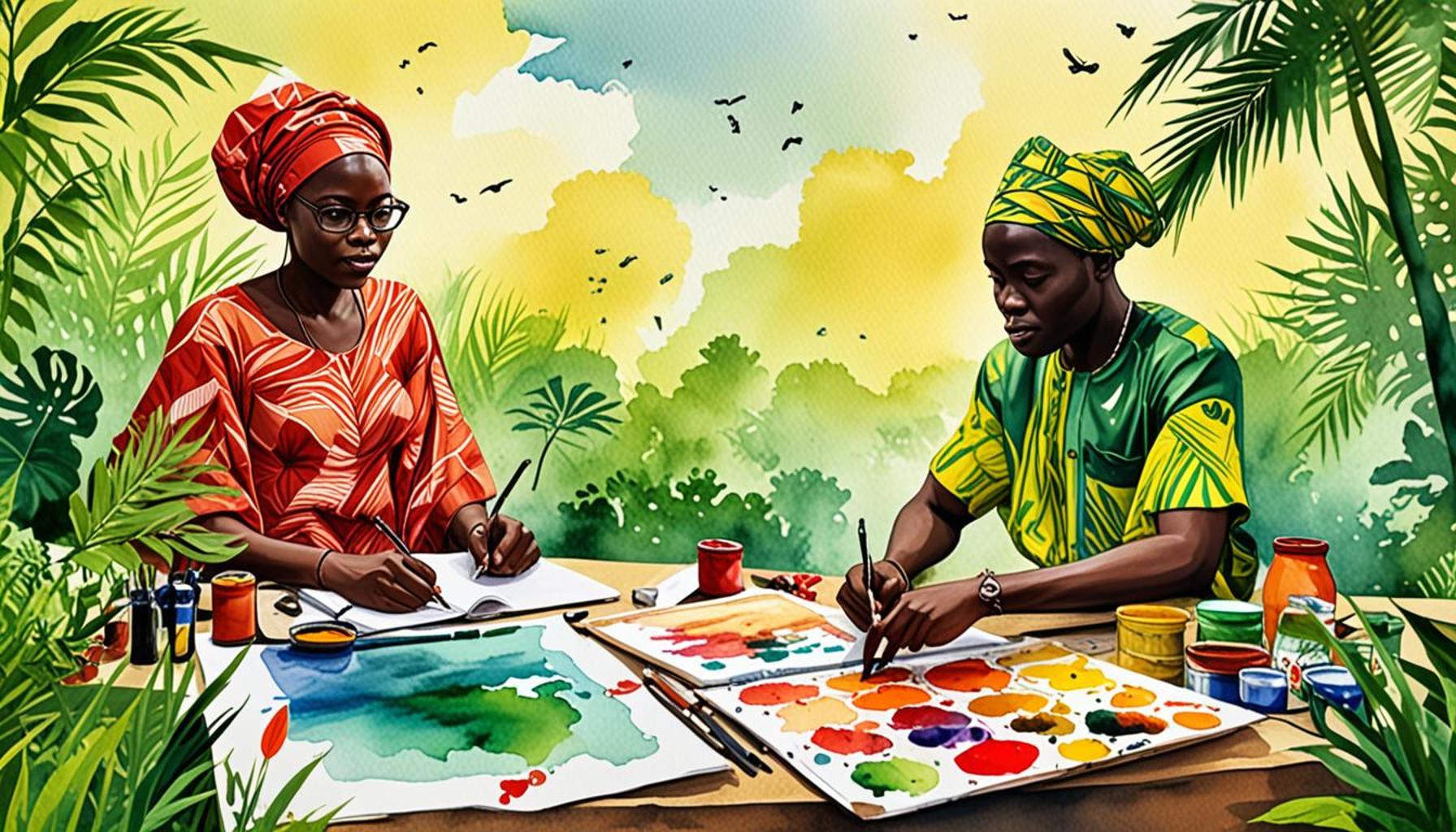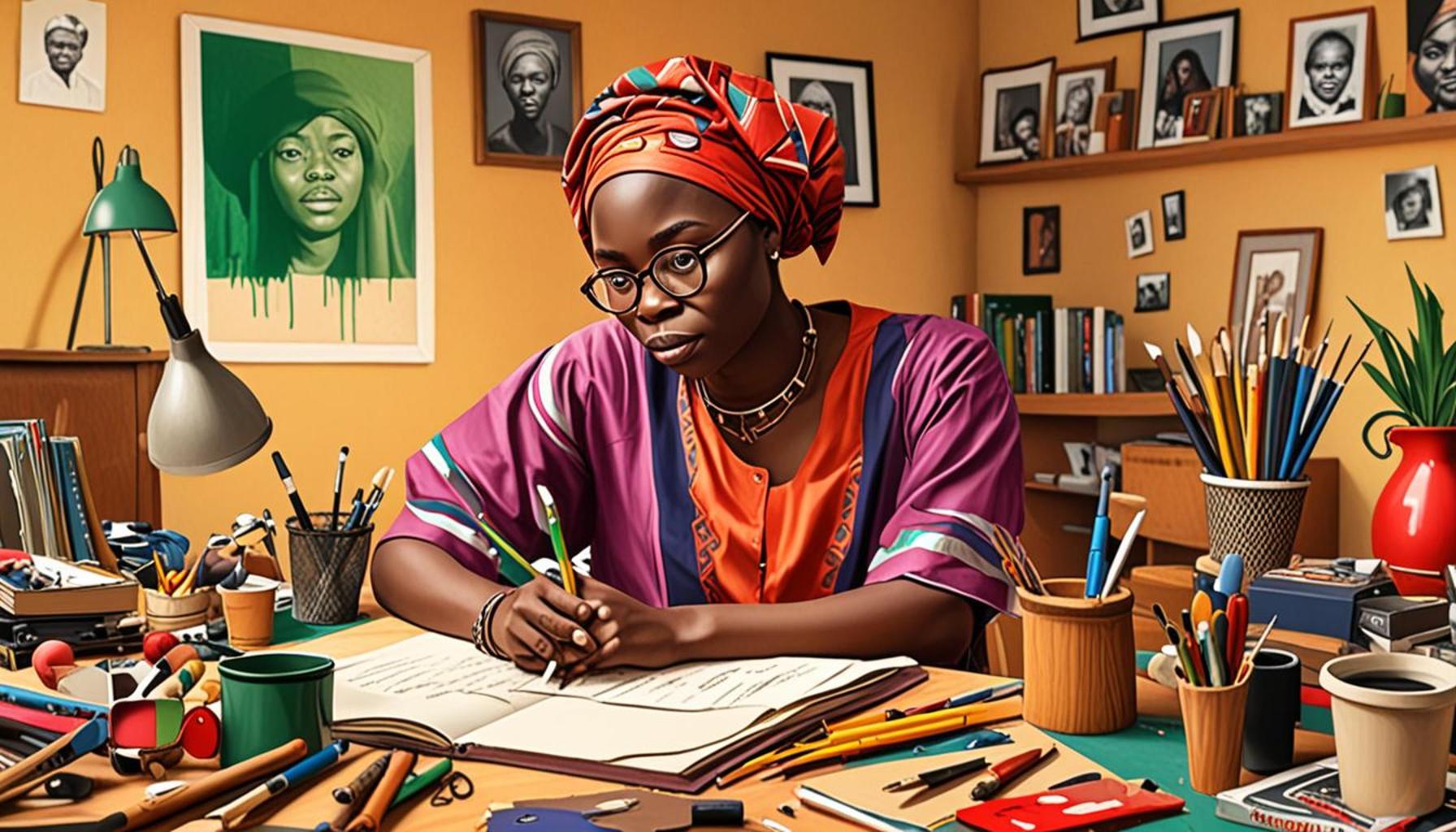
The Influence of Social Media on Artistic Pursuits: New Opportunities for Nigerian Artists
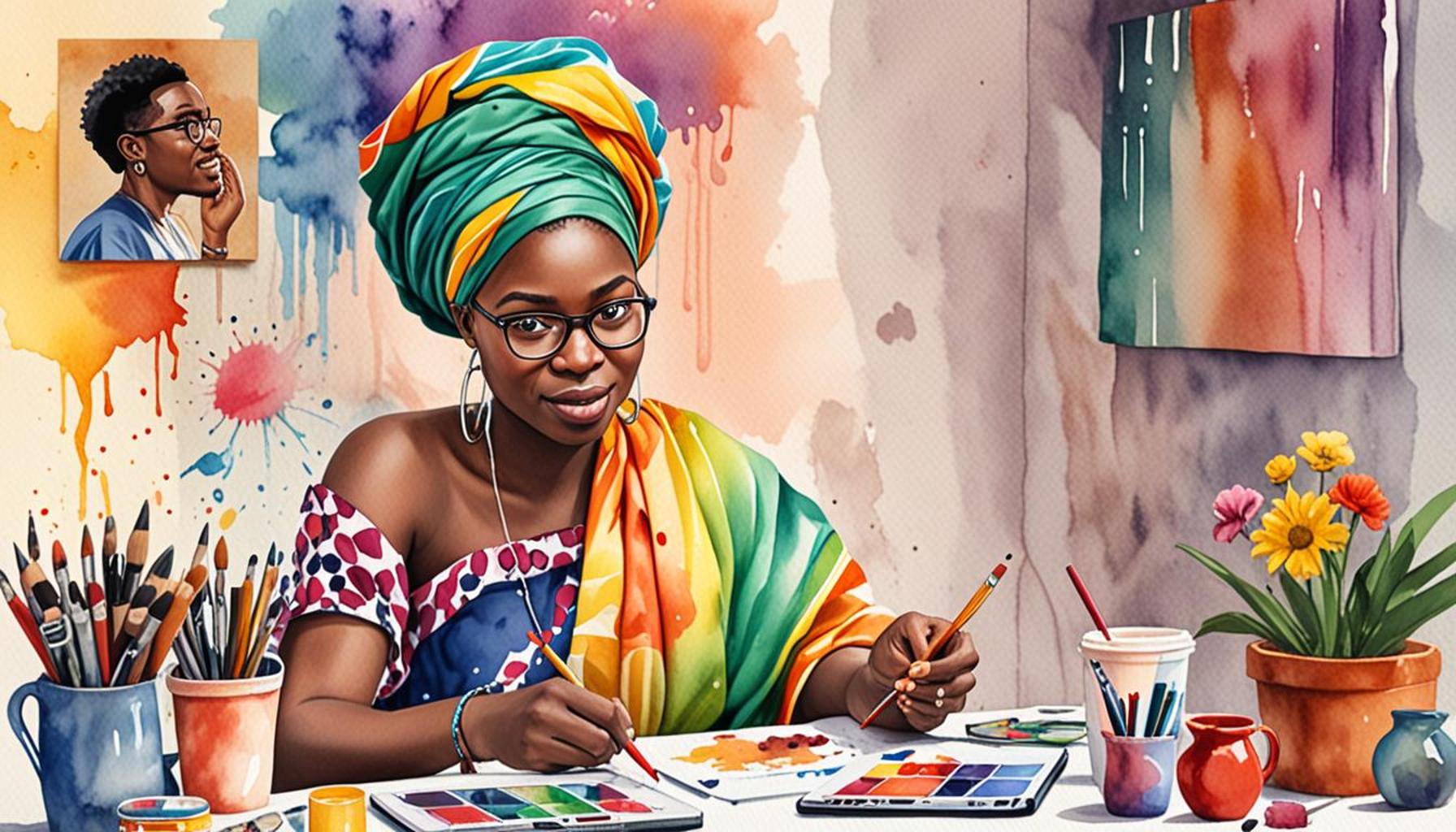
Transforming the Nigerian Art Scene through Digital Platforms
In an era where connectivity reigns supreme, social media has become a dynamic channel for artistic expression, empowering Nigerian artists in unprecedented ways. No longer restricted to the physical confines of traditional galleries and exhibitions, creatives can now engage a vast global audience with a simple click. Platforms such as Instagram, Facebook, and Twitter are becoming digital canvases where art can be shared, celebrated, and critiqued.
The Advantages of Social Media for Artists
The benefits of social media are manifold, significantly transforming how art is produced and consumed:
- Wider Reach: The ability to showcase artwork beyond local borders is a game-changer for many Nigerian artists. Even emerging talents from rural areas can gain visibility; for instance, a digital painting by an artist from Jos can garner attention in New York or London through platforms like Instagram. This global exposure not only broadens potential sales avenues but also invites diverse interpretations of their work.
- Networking: Today’s artists can easily connect with fellow creatives and influencers. Collaborative projects are becoming increasingly common, often leading to innovative artistic endeavors. For example, Nigerian artists often partner with musicians or fashion designers to create multimedia experiences that resonate with a larger audience, further enriching the tapestry of Nigeria’s creative landscape.
- Feedback and Engagement: Social media allows artists to receive immediate feedback, enabling them to refine their craft and adapt to market trends. An artist might post a new piece and almost instantaneously receive comments and insights, shaping their next creation. This real-time interaction not only helps artists make informed decisions but also fosters a sense of belonging and support among their followers.
The art scene in Nigeria is flourishing amidst this digital transformation. As traditional boundaries dissolve, artists are experimenting with various forms of expression, including digital painting, photography, and mixed media, all of which reflect contemporary societal issues and the rich cultural heritage that defines the nation. For instance, artists like Njideka Akunyili Crosby are blending traditional Nigerian motifs with Western techniques to comment on cultural identity and diaspora experiences.
Building Community through Creative Discourse
The impact of social media transcends mere promotion; it cultivates a robust sense of community among artists and art lovers alike. Platforms facilitate vibrant discussions around art, culture, and societal issues, making creativity a central thread in Nigeria’s social discourse. Hashtags like #NigerianArt and #ArtForChange have gained traction, allowing artists to align their work with movements addressing social justice, environmental concerns, and political discourse.
As we explore the intricate relationship between social media and artistic pursuits, we observe a radical shift in the local and global artistic landscapes. Nigerian artists are no longer passive participants but active contributors to a dialogue that resonates well beyond the confines of their communities. The digital canvas has become a vital frontier for cultural exchange, showcasing Nigeria’s rich artistic potential to the world.
RECOMMENDED: Check out this similar article
Empowering Creative Expression in a Digital Era
The transformative power of social media extends far beyond mere exposure; it reshapes the very fabric of how art is conceived, produced, and experienced by audiences. In Nigeria, where rich traditions collide with modern aspirations, artists are leveraging platforms like Instagram, TikTok, and Facebook to forge new paths. The digital realm empowers them to showcase not only their artistic talents but also the stories and cultural narratives embedded within their work.
Redefining Artistic Accessibility
One of the most profound changes brought by social media is the democratization of art. Unlike in the past, when access to galleries was often restricted to those with privileged connections, today any artist with a smartphone can share their work with the world. This shift offers several advantages:
- Instant Visibility: Emerging Nigerian artists can achieve recognition quickly, as a single post may attract the attention of art enthusiasts from diverse backgrounds. For example, artists like Otis Kwame Kye Quaicoe gained international acclaim by simply sharing their portfolios online, drawing interest from collectors and critics globally.
- Affordability and Accessibility: Social media allows budding artists to promote and sell artwork without the financial burden typically associated with traditional galleries. Through platforms like Etsy or even their own Instagram pages, they can reach customers without hefty commission fees, breaking down economic barriers to access.
- Engagement with Diverse Artists: By showcasing their work online, Nigerian artists can engage with a global pool of creatives, exchanging ideas and learning from one another. This cross-pollination of styles fosters innovation and nurtures originality, fueling creative growth throughout the Nigerian art community.
This vibrant, interconnected landscape is giving rise to a new generation of artists who embrace technology to enhance their craft. The rise of digital art forms, such as virtual reality installations or animated works inspired by Nigerian folklore, is a testament to how social media fosters a culture of experimentation. Artists harnessing digital tools can capture the intricacies of culture in ways previously unimagined, creating narratives that resonate with both local and international audiences. Moreover, the rise of popular art challenges traditional forms and conventions, paving the way for dynamic and progressive expressions of identity.
Showcasing Cultural Heritage in Innovative Ways
As social media becomes a medium for sharing and discussing art, it encourages the blending of traditional techniques with modern storytelling methods. Nigerian artists are increasingly incorporating cultural symbols and themes into their digital work, emphasizing their heritage while appealing to contemporary audiences. Creatives like Afronova and the artists at the National Museum of Unity in Ibadan have utilized social media to amplify the richness of Nigeria’s cultural tapestry.
Nigeria’s art scene is at a pivotal crossroads, where the robust oral traditions and vivid histories intertwine with cutting-edge technology. As they navigate this new landscape, artists are not just chronicling contemporary issues but are also contributing to a broader dialogue that encompasses both the heart of Nigeria and the world at large. Truly, social media is more than a tool; it is a catalyst for artistic revival and social change.
The Role of Social Media in Elevating Artistic Visibility
In recent years, social media platforms have emerged as vital avenues for Nigerian artists to showcase their work to a global audience. Platforms such as Instagram, Twitter, and Facebook afford them the ability to share their artistic journeys, engage with followers, and build communities around their creative expressions. This newfound visibility is not merely an advantage but a crucial turning point for many artists trying to escape the confines of traditional art spaces. By leveraging the power of hashtags, artists can reach audiences who share similar interests or appreciate their unique styles. This not only increases their exposure but also fosters meaningful connections between artists and art lovers, galleries, and potential buyers. For instance, the hashtag #NigerianArt has transformed the way local artists can present themselves on an international stage, opening doors to collaboration and sponsorship that were once hard to achieve.Furthermore, the ability to immediately receive feedback empowers artists to refine their work based on audience reaction. This interaction creates a dynamic feedback loop that encourages originality and innovation. Artists can experiment with their styles, pushing boundaries that might have been restricted by traditional gallery exhibitions in the past. Such platforms also offer the potential for viral moments that can suddenly elevate an artist’s career overnight. Social media also serves as a bridge for cultural exchange, allowing Nigerian artists to share their narratives and cultural heritage seamlessly with the world. This immediacy not only enriches the global art narrative but also showcases the rich tapestry of Nigerian culture, often highlighted in contemporary art today. Artists can tap into trending topics on social media, expressing their viewpoints and commentary through their art, thus becoming a part of broader conversations that resonate far beyond their local contexts.The integration of social media into the artistic workflow is a game-changer, transforming the landscape of art in Nigeria. The barriers that previously limited exposure and accessibility are slowly eroding, paving the way for *diverse voices* and artistic talents to take center stage. As artists continue to explore the capabilities of these platforms, it’s evident that social media is not just an adjunct to art; it is becoming a pivotal element in how art is perceived and consumed both locally and internationally. By embracing social media, Nigerian artists are not only cultivating their unique identities, but they are also contributing significantly to the larger global artistic discourse. As we delve deeper into the multifaceted influence of social media on artistic pursuits, it becomes clear that this digital revolution is far from over, and its implications are profound.
| Category | Advantages |
|---|---|
| Increased Reach | Artists can showcase their work to a global audience without geographical limitations. |
| Direct Engagement | Social media facilitates immediate feedback, enabling artists to interact with their audience effectively. |
| Cultural Exchange | Artists can share their narratives, broadening the understanding of Nigerian culture internationally. |
YOU MAY ALSO LIKE: Read read another article
Building Communities and Fostering Collaborations
The impact of social media extends beyond individual exposure; it cultivates communities that connect artists with like-minded creators and art enthusiasts. In Nigeria, where a rich communal culture thrives, social media serves as the perfect vehicle for building supportive networks. Artists are finding camaraderie in online spaces, sharing resources, knowledge, and feedback, creating a vibrant artistic ecosystem.
Collaborative Projects and Initiatives
Through social media platforms, Nigerian artists are discovering new opportunities for collaborative projects that transcend geographical boundaries. Initiatives like “Art for Change,” which gained traction on various social media platforms, unite artists to address pressing social issues through their work. These collaborations not only expand the reach of their messages but also result in innovative art forms that blend different styles and perspectives.
Furthermore, local galleries and organizations are tapping into social media to foster partnerships among artists. For instance, the National Museum in Lagos has utilized platforms like Facebook to organize online exhibitions that feature multiple artists, encouraging collective storytelling and showcasing the diverse narratives present in Nigeria’s vast art landscape. Such initiatives help artists amplify their voices and gain visibility in ways traditional methods often stifled.
Engaging with Art Lovers and Collectors
Social media also bridges the gap between artists and art lovers, allowing direct engagement with audiences. Artists such as Laolu Senbanjo have mastered the art of storytelling via platforms like Instagram, using captivating visuals and narratives to connect with potential buyers. By sharing their creative process and behind-the-scenes glimpses, they cultivate a deeper relationship with their audience, enabling art lovers not just to buy art but to buy into the artist’s journey.
In addition, Nigerian artists leverage social media algorithms to their advantage, using hashtags like #NigerianArt and #BuyNigerianArt to attract both local and international collectors. These strategies have proven effective, as several artists report increased interest in their work and sales, suggesting that the market for Nigerian art is thriving as broader audiences become aware. With social media, collectors no longer rely solely on traditional market mechanisms; they can discover emerging talents through their feeds and support them directly.
Education and Skill Development
Social media has also opened doors for education and skill development among aspiring Nigerian artists. Platforms like YouTube and TikTok host countless tutorials that break down complex art techniques, allowing self-taught artists to refine their craft. Notable artists often share their own methods, tips, and insights on these platforms, fostering a culture of learning that transcends traditional art programs, which may be inaccessible for some.
Moreover, social media enables access to masterclasses and webinars hosted by experienced artists and art institutions. For example, organizations like the African Artists Foundation utilize social media to promote art workshops, ensuring that artists from various backgrounds can engage in professional development. This approach helps aspiring artists build their skills and empowers them to participate actively in the fast-evolving art market.
In this new age of art born from social media, Nigerian artists are not merely adjusting to the digital landscape; they are embracing it wholeheartedly, transforming the way art is shared, celebrated, and commercialized. Through collective empowerment, innovative collaborations, and accessible skill-building, social media continues to chart an exciting path for talented creatives across the nation.
SEE ALSO: Click here to read another article
Conclusion
The intersection of social media and artistry has catalyzed a transformative wave among Nigerian artists, providing unprecedented avenues to express themselves and engage with a global audience. This digital landscape not only enables artists to showcase their work but also fosters a collaborative spirit, allowing creators to work together on innovative projects that tackle socio-cultural issues relevant to their communities.
As seen through various initiatives like “Art for Change,” social media serves as a platform that amplifies voices and narratives that are often underrepresented in traditional art circles. The direct engagement between artists and art lovers creates a new dynamic where relationships are nurtured, ultimately transforming the process of buying art into a shared journey of appreciation and support.
Moreover, the wealth of educational resources available online is empowering aspiring artists to develop their skills and refine their craft, regardless of geographical or financial barriers. They now have access to a global community of mentors, workshops, and tutorials that allow them to grow and thrive in an ever-evolving art market.
As the art scene in Nigeria continues to flourish in the digital age, it is crucial for artists to leverage these social media tools strategically. The opportunities to connect, collaborate, and cultivate their unique voices have never been more vibrant. By embracing this digital revolution, Nigerian artists are not just part of a trend; they are at the forefront of a cultural movement that redefines the essence of art within society. As we move forward, it will be exciting to see how these evolving platforms will further shape and enhance the artistic landscape in Nigeria.