The Unique Power of Nigerian Artistry
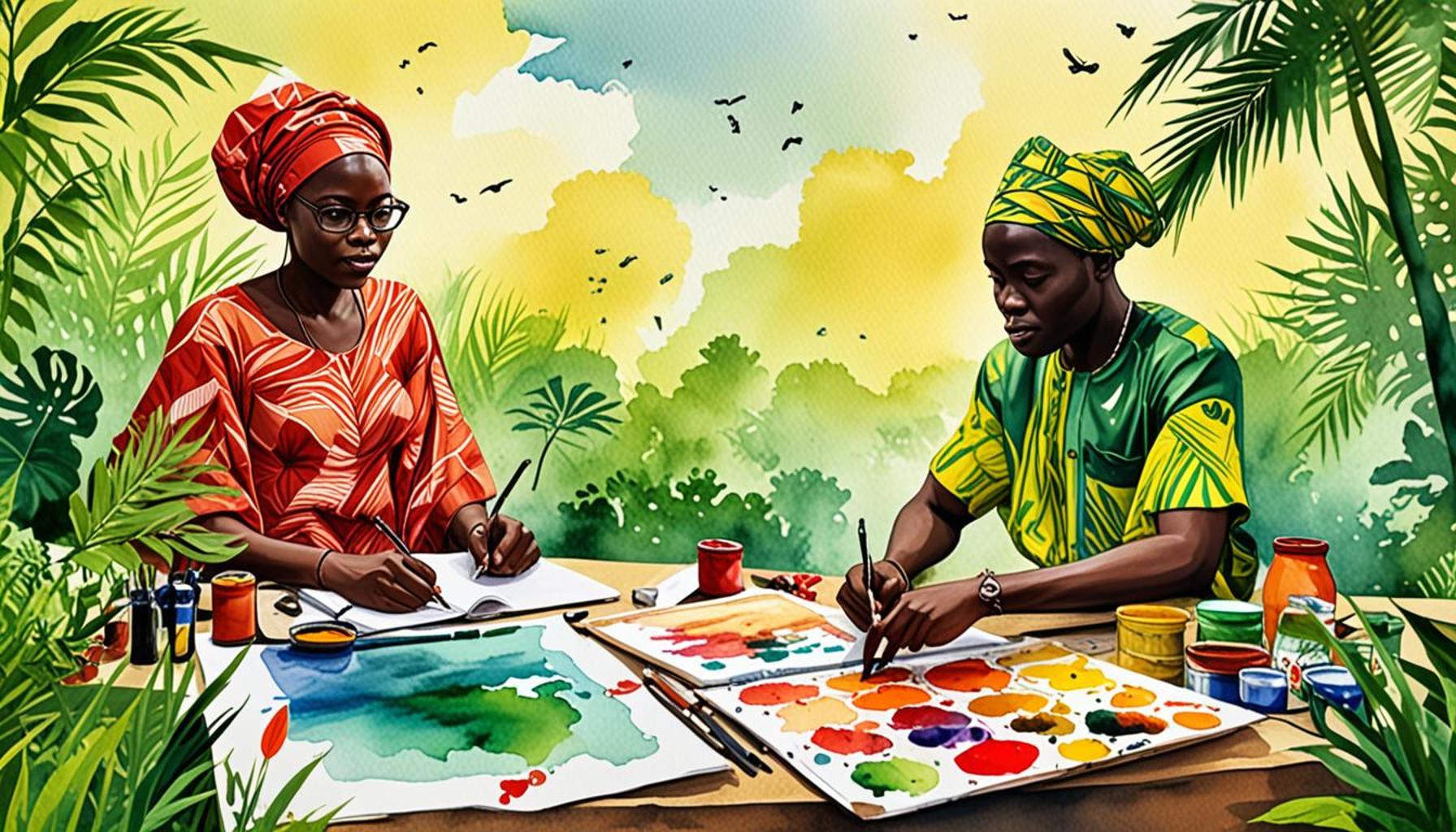
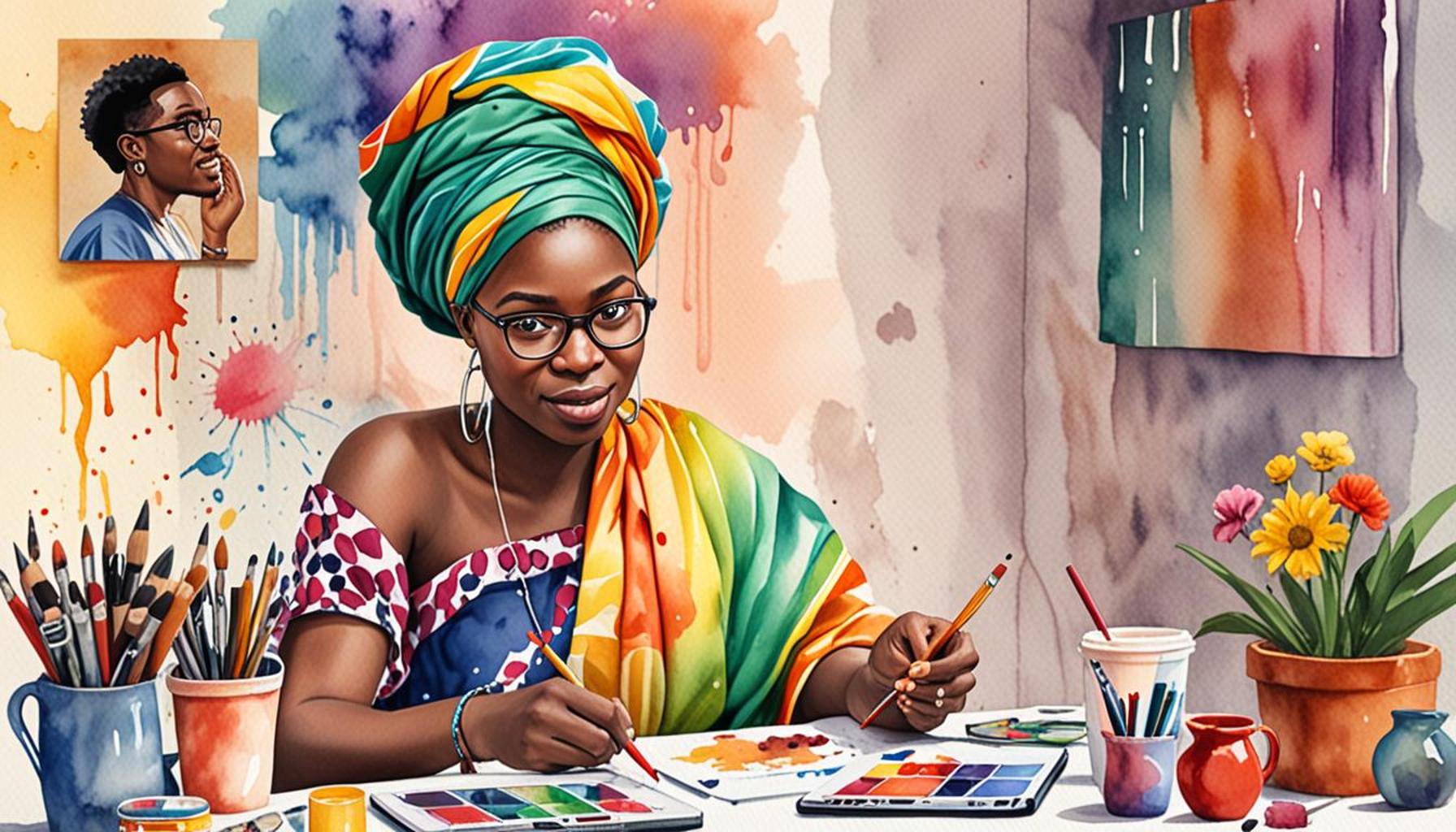
Nigerian artists possess a unique ability to capture the delicate balance of beauty and environmental challenges within their work. Their artistic expression reflects not only the stunning landscapes of Nigeria but also the pressing issues that nature faces today. This dynamic relationship between art and the environment invites viewers to ponder their own connection to the world around them.
The Interplay of Beauty and Challenges
- Themes of natural beauty: Artists capture Nigeria’s breathtaking diversity, ranging from the vibrant greens of the Niger Delta’s mangroves to the golden hues of the Sahara Desert. Works by artists like Victor Ehikhamenor embody the vivid essence of Nigeria’s ecosystems, showcasing the grandeur of its fauna and flora.
- Environmental challenges: Many artists use their platforms to address critical issues such as climate change, deforestation, and air and water pollution. For instance, Peju Alatise creates thought-provoking installations that expose the impact of human actions on Nigeria’s rivers and natural resources, urging the audience to reconsider their daily choices and their environmental impact.
- Cultural significance: The fusion of traditional practices with contemporary methods allows artists to express their heritage while responding to modern challenges. This can be seen in the work of the Art Twenty One Collective, which combines age-old Nigerian folktales with modern artistic techniques, creating a unique narrative that speaks to the past and present interplay.
Through paintings, sculptures, and installations, these artists offer insightful reflections on nature. Their work creates a dialogue between the viewer and the environment, urging observers to acknowledge the impact of human activity on natural landscapes. Notable exhibitions, such as “The Earth is Our Home” held in Lagos, showcase how local artists confront local issues, elevating the conversation about sustainability beyond the realms of art and into the heart of communities.
Why This Matters
Understanding how Nigerian artists interpret nature is essential for appreciating their cultural narratives. By engaging with these artworks, we cultivate a broader awareness of the environmental challenges facing not only Nigeria but the world as a whole. Each piece serves as a catalyst for conversation, inviting audiences to reflect on their role in protecting Nigeria’s rich natural heritage. Furthermore, as the country grapples with rapid urbanization and industrialization, the art community plays a critical role in shaping the dialogue about sustainability and environmental conservation.
As viewers, we are encouraged to explore further, consider our actions, and participate in initiatives aimed at preserving not only the beauty depicted in these artworks but also the vibrant ecosystems that inspire them.
YOU MAY ALSO LIKE: Read read another article
Exploring the Essence of Nigeria’s Natural Landscape
The interpretation of nature by Nigerian artists goes beyond mere representation; it encapsulates an intimate understanding of their environment’s extraordinary beauty and alarming vulnerabilities. Through diverse mediums such as painting, sculpture, and installation art, these artists forge a connection that invites viewers to appreciate the splendor of Nigeria’s ecosystems while confronting the environmental crises that threaten them.
Celebrating Nigeria’s Natural Beauty
Nigeria’s geographical landscape is a rich tapestry of contrasts—from lush rainforests to arid deserts—providing an endless source of inspiration for artists. Yahya Adebayo Adeleke, for instance, focuses on the vibrant colors and patterns found in Nigeria’s diverse flora, celebrating the intricate beauty of the country’s wildflowers and foliage. His works, characterized by vivid palettes, not only capture the eye but also evoke a deep sense of connection to the earth.
Similarly, Njideka Akunyili Crosby uses her art to blend personal narratives with elements of nature, drawing influence from her Nigerian heritage. Her intricate collages often depict domestic settings intertwined with lush, natural elements, inviting the audience to reflect on the coexistence of urban life and the natural world. This intermingling of beauty serves to remind viewers of the importance of preserving these landscapes amidst growing development.
Confronting Environmental Challenges
While artists celebrate nature’s beauty, many also take a stand against the pressing environmental challenges that Nigeria faces. Olanrewaju Tejuoso uses his art as a medium to provoke thought and action about the consequences of climate change. His large-scale murals depict the devastation caused by flooding and erosion, reflecting the reality of many coastal communities in Nigeria. Through these impactful portrayals, he encourages dialogue around sustainability and the urgent need for change.
Furthermore, the work of Peju Alatise stands vividly in this narrative. Her installations focus on the profound effect of human activity on Nigeria’s rivers and natural resources. Utilizing recycled materials, Alatise constructs immersive environments that evoke the contamination of waterways and the loss of biodiversity. This powerful approach not only raises awareness but also acts as a clarion call to communities to take collective action in safeguarding their environment.
Art as a Reflection of Cultural Heritage
- Integration of folklore: Many contemporary Nigerian artists incorporate traditional narratives and folklore into their works, bridging the gap between cultural heritage and environmental concerns. This creates a rich dialogue that resonates with audiences who can relate to both the stories and the pressing issues depicted.
- Community engagement: Art initiatives that engage local communities serve as platforms for collaboration, allowing artists to work with traditional craftsmen and advocate for sustainable practices that respect both heritage and nature.
- The role of education: Workshops and exhibitions aimed at educating the public about environmental issues foster a deeper understanding of the impact of art on societal perceptions of nature, empowering individuals to become advocates for change.
Thus, the intersection of beauty and environmental challenges in Nigerian art allows for a profound exploration of identity, culture, and responsibility. Through their unique perspectives, Nigerian artists not only document the natural world but also inspire a collective effort towards preservation and sustainability. As these artworks reach wider audiences, they invite everyone to engage, reflect, and act in the face of Nigeria’s environmental dilemmas.
The Role of Cultural Heritage
Nigerian artists draw upon their rich cultural heritage to interpret nature’s beauty and the environmental challenges facing their communities. Through traditional storytelling methods infused into their art, they reflect the interdependence between nature and human existence. This cultural lens allows them to express both reverence for the land and a poignant commentary on issues such as deforestation, pollution, and climate change.
Visual Symbolism
Visual symbolism plays a pivotal role in conveying complex themes through artistic representation. For instance, the recurring use of colors, textures, and materials often relates directly to the Nigerian landscape—lush greens depicting fertile land, earthy browns representing the soil, and vibrant hues symbolizing the diverse flora and fauna. Artists like El Anatsui and Njideka Akunyili Crosby utilize mixed media to explore themes of beauty intertwined with narratives of struggle, highlighting how environmental degradation influences everyday life.
Community Engagement
Many Nigerian artists engage directly with their communities, utilizing art as a platform for advocacy and awareness of environmental issues. Workshops and exhibitions serve not only to showcase their work but also to educate viewers on sustainable practices and conservation efforts. In this way, art becomes a form of activism, pushing the audience to reconsider their relationship with nature and prompting discussions around ecological sustainability.
Modern Techniques and Global Influence
The fusion of traditional techniques with modern artistic practices allows Nigerian artists to reach global audiences. Through exhibitions in various countries, they showcase how environmental challenges in Nigeria resonate universally. This interplay of local narratives and global dialogues enables them to highlight pressing issues while celebrating the unique beauty of their cultural landscape.
Conclusion
As Nigerian artists continue to explore the intricate dynamics between nature and society, their works not only captivate viewers aesthetically but also provoke meaningful conversations about the looming environmental challenges of our time.
LEARN MORE: This related article may interest you
Blending Art with Advocacy
Nigerian artists have increasingly recognized their roles as advocates for environmental consciousness, utilizing their skills to spark conversations around the pressing issues faced by their communities. The interplay between art and activism fundamentally reshapes the narrative surrounding nature, encouraging a collective responsibility and proactive measures among viewers.
Artistic Collaborations and Community Impact
Collaborative efforts have flourished in the Nigerian art scene, where artists partner with local communities to create artwork that is not only visually compelling but also rooted in communal narratives. One notable example is the Art for Nature initiative, which engages local artists in the Niger Delta region to produce pieces reflecting the impact of oil spills on their livelihoods and environment. These collaborative projects foster a sense of ownership among community members while simultaneously amplifying their voices through artistic expression.
Moreover, artists like David Alabi have made significant contributions by working directly with local fishermen and farmers to understand the real-life effects of climate change. His paintings often portray the delicate balance between biodiversity and the daily struggles faced by these communities, emphasizing their interconnectedness with the land. This method serves dual purposes: it educates the artist on lived realities while offering a platform for marginalized voices.
Innovative Mediums and Techniques
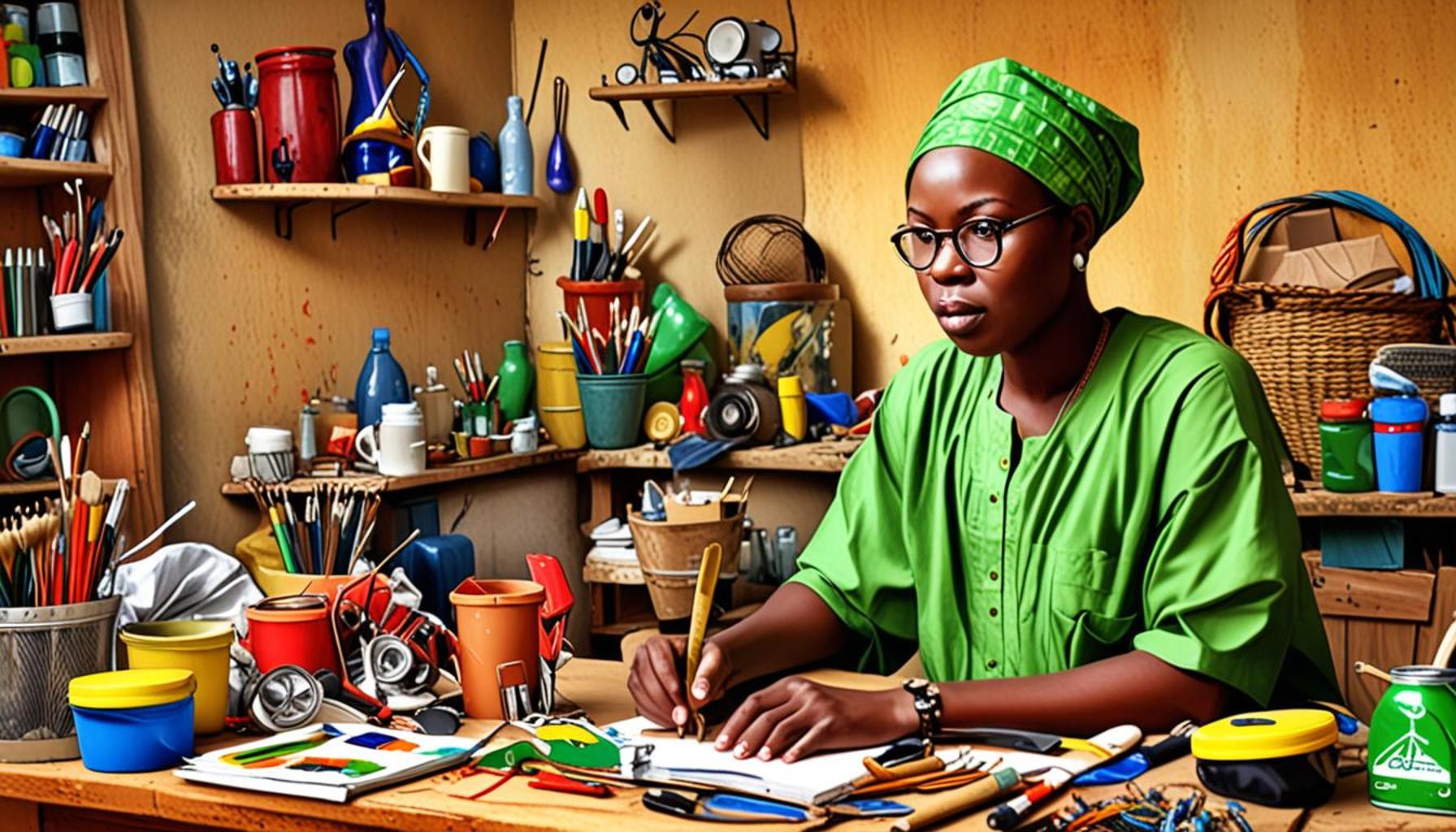
As the narrative surrounding sustainable practices evolves, Nigerian artists are also embracing unconventional mediums and techniques to convey their messages. Jideka Dorcas is among those pushing the boundaries by incorporating found objects and waste materials in her art. Through her tactile sculptures that highlight pollution and waste management issues, Dorcas challenges the perception of discarded items, transforming them into poignant visual statements about waste and neglect.
This innovative approach has drawn significant attention, showcasing how repurposed materials can create meaningful dialogues around consumerism and environmental degradation. By shifting perspectives on waste, artists like Dorcas inspire change and understanding among patrons, compelling them to reevaluate their own relationship with consumer behaviors.
The Role of Digital Platforms
The rise of digital media has further amplified the voices of Nigerian artists, allowing them to disseminate their environmental messages far beyond the confines of traditional galleries. Social media platforms, such as Instagram and Facebook, have become vital tools for artists to engage broader audiences with their work—showcasing not just static images but also dynamic, interactive content that invites participation. For instance, projects like Creative Africa Collective leverage social media to promote awareness about ecological issues, fostering community discussions and facilitating workshops that emphasize sustainability.
Additionally, platforms like the Lagos Art and Culture Festival provide spaces where artists can convene to address environmental themes. Such events encourage networking and dialogue, creating a robust ecosystem in which art serves as a catalyst for innovation and change. The convergence of tradition and modern techniques, facilitated by digital avenues, expands the reach and impact of these artistic endeavors.
As Nigerian artists weave together narratives of beauty and environmental challenges, they invite a myriad of responses from their audiences. Through celebration, confrontation, and advocacy, their works reflect the intricate balance between appreciation for natural beauty and the need for urgent action in response to ecological crises. In doing so, they create a vibrant tapestry that encourages both self-reflection and societal change on pressing environmental issues.
ADDITIONAL INSIGHTS: Expand your understanding here
Conclusion
The exploration of nature through the lens of Nigerian artists highlights a profound interplay between beauty and environmental challenges. As artists engage with their surroundings, they not only capture the essence of Nigeria’s rich landscapes but also confront the urgent issues affecting these very environments. This dual narrative serves to broaden the audience’s understanding and appreciation of the complexities that intertwine culture, identity, and ecological considerations.
Through collaborative initiatives, artists create impactful dialogues that resonate within local communities, thus reinforcing the importance of art as a vehicle for social change. The incorporation of innovative techniques, from found objects to digital platforms, reflects a responsiveness to modern challenges, allowing these artists to push boundaries and reach wider audiences than ever before. Such advancements not only elevate the discourse around artistic expression but also enhance awareness about the delicate balance between human activity and environmental sustainability.
As viewers of their work, we are prompted to recognize our part in this collective narrative. The visual expressions of Nigerian artists serve as both a celebration of natural beauty and a sobering reminder of the environmental challenges we face. By fostering a deeper connection between art, activism, and community, they inspire us to rethink our relationship with nature. Ultimately, their poignant reflections urge us to take action, encouraging a narrative where appreciation for beauty aligns with a robust commitment to environmental stewardship. Engaging with these artistic pursuits is not merely an aesthetic experience; it is a call to cultivate a more sustainable future for ourselves and generations to come.