The Intersection of Music and Dance in Nigerian Cultural Celebrations
Unveiling the Essence of Cultural Celebrations
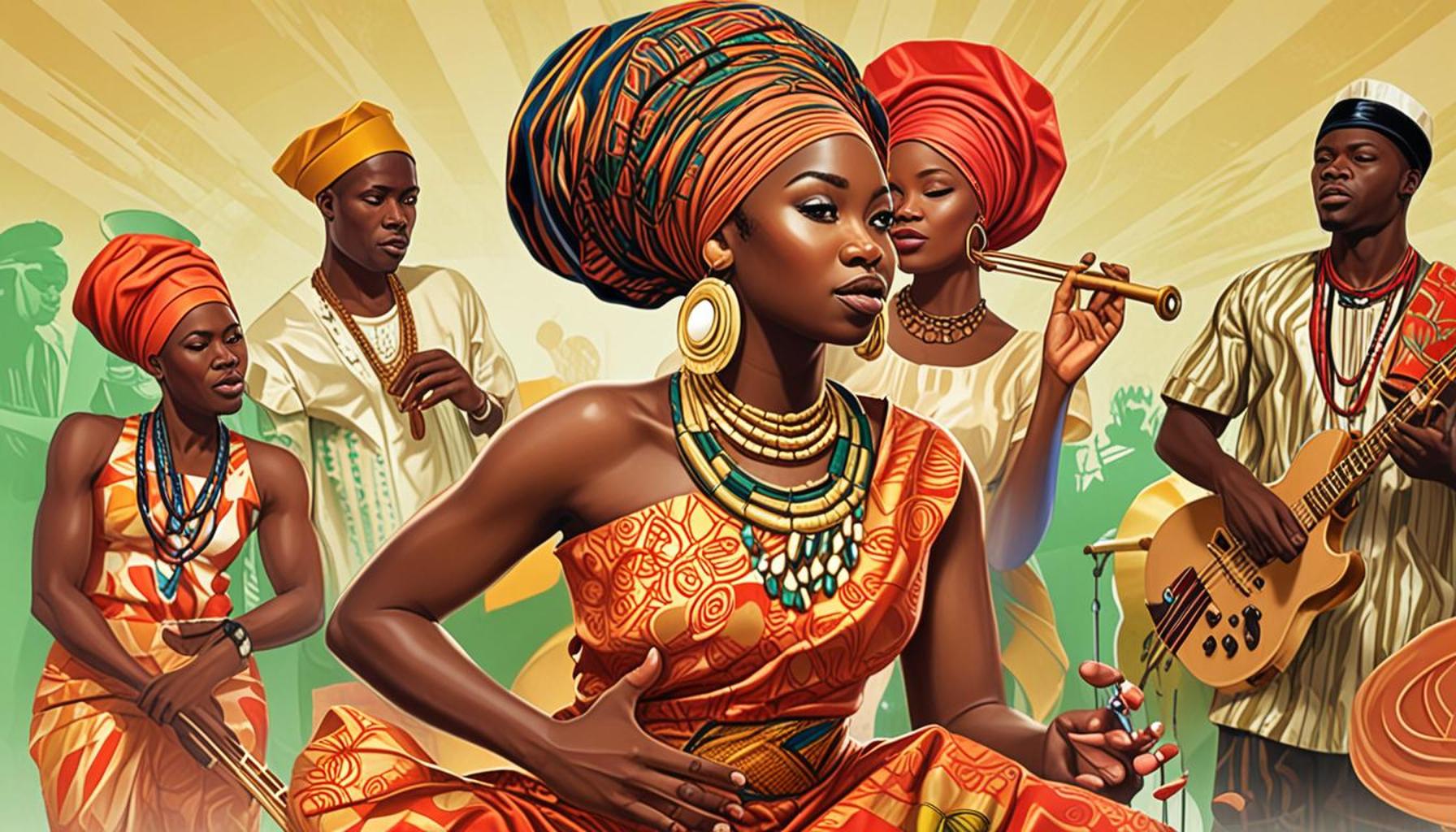
Nigeria’s culture is a vibrant mosaic, where the elements of music and dance are deeply intertwined. These art forms extend far beyond mere entertainment; they serve as vital vehicles for expressing communal identities, heritage, and even social messages.
Throughout the year, various cultural festivities illustrate this intricate bond between music and dance. Each event has its own unique flavor, enriched by the diverse ethnic backgrounds found across the country. Here are some prominent examples:
- Weddings: Traditional Nigerian weddings are often grand affairs that showcase the local culture. Live performances highlight genres such as Highlife, Fuji, and Juju music. These genres combine with traditional dances like the Osun-Osogbo, where dancers adorned in vibrant attire sway to the beats created by talented drummers, creating an atmosphere filled with untamed joy.
- Festivals: The Eyo Festival in Lagos, dedicated to honoring the spirits of the deceased, is a stunning spectacle of culture. Dancers dressed in white sing and perform with grace, supported by the rhythmic pulsation of drums that signify more than just a beat—they represent a spiritual connection and ancestral homage. The combined visual and auditory feast captivates locals and tourists alike, immersing them in Nigerian heritage.
- Carnivals: The Calabar Carnival, often dubbed the ” biggest street party in Africa,” brings together a colorful tapestry of costumes, music, and dance routines that celebrate the unity and diversity of Nigeria. Participants often engage in dances inspired by traditional styles meshed with contemporary influences, creating energetic routines that invite spontaneous participation from onlookers, further fueling the celebration.
The marriage of music and dancing during these events creates a dynamic synergy that elevates the overall experience. Traditional instruments, such as the talking drum and shekere, are not mere accessories but are essential to the pulsating energy that draws everyone into celebration. With every beat and every dance step, stories are narrated, histories are acknowledged, and vibrant communal identities are reinforced.
This exploration sheds light on how music and dance serve as pillars of cultural expression, continuously evolving while remaining rooted in tradition. Each rhythm tells a story, and every dance move echoes the heritage of the land. As you embark on this journey through Nigeria’s cultural activities, prepare to uncover the fascinating tales and rich traditions that make these celebrations unforgettable.
RECOMMENDED: Check out this similar article
Rhythms Rooted in Tradition
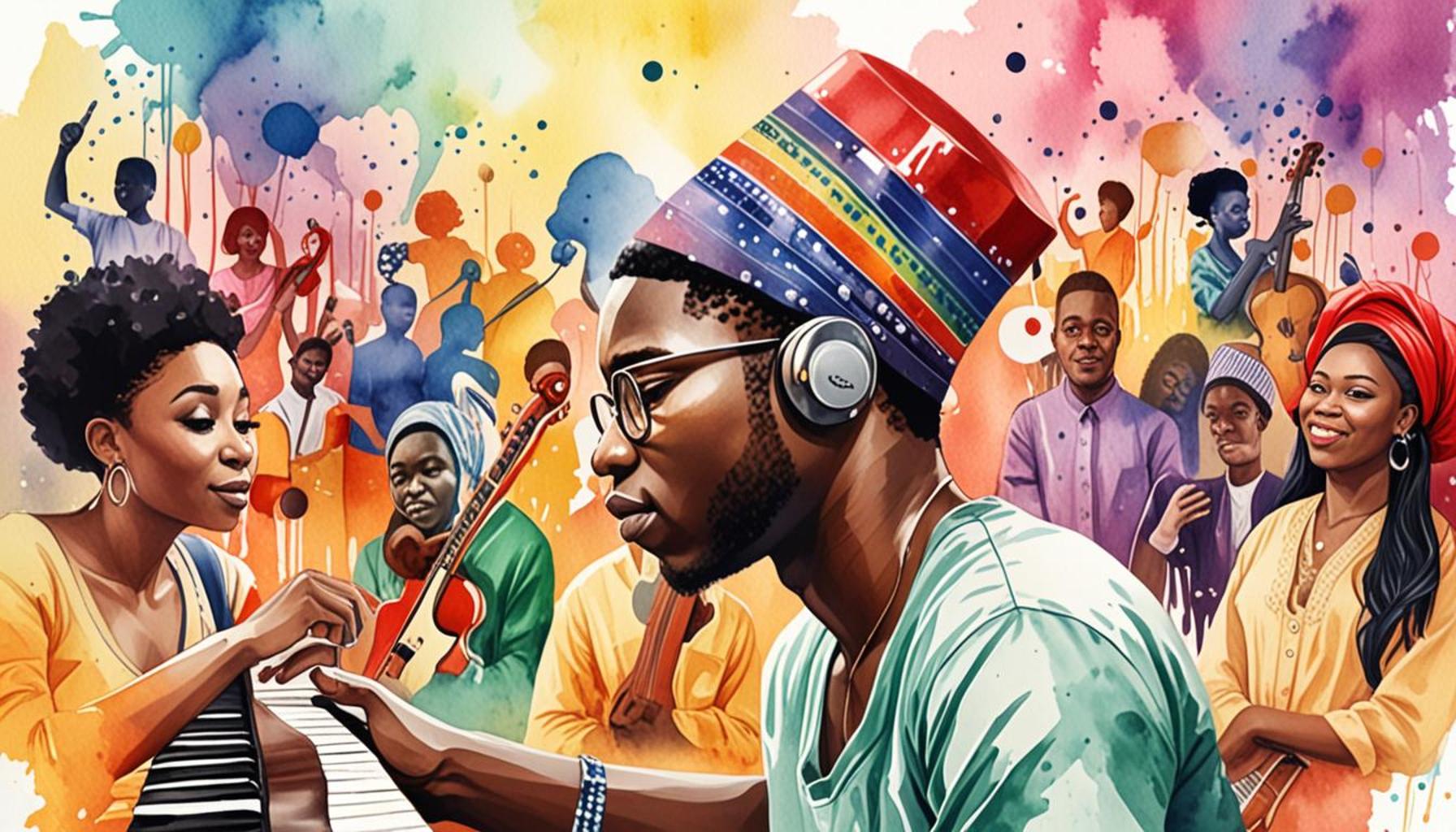
At the heart of Nigerian cultural celebrations lies a profound connection between music and dance that reflects the nation’s rich history and diversity. Music and dance, as intertwined modalities, are not only forms of expression but also tools for storytelling, historical preservation, and community bonding. They carry the nuances of language, customs, and social values, offering an insight into Nigeria’s multifaceted identity.
Nigerian music varies significantly across the different regions and ethnic groups, influencing the corresponding dance styles developed over centuries. Traditional Igbo, Yoruba, and Hausa music each possess distinct rhythms and instruments that deeply influence local dance forms. The synergy between these two artistic expressions showcases how celebrations can encapsulate the essence of a culture and create a shared experience beyond borders.
Consider the following noteworthy elements that illustrate the profound interplay at various cultural gatherings:
- Traditional Instruments: Instruments such as the talking drum (dun dun) and sekere are pivotal in creating the unique sounds that are synonymous with Nigerian celebrations. The talking drum’s ability to mimic human speech allows for a dynamic communication between the musicians and dancers, enriching the overall performance and anchoring the participants within the cultural narrative.
- Social Commentary: Many dances and songs carry messages that address societal issues or celebrate significant historical events. For example, the Bawa Dance is common among the Ebira people and often serves as a social critique while entertaining. This blend of entertainment and social commentary reinforces the community’s values and serves as a platform for dialogue.
- Ritualistic Significance: In many cultural celebrations, dance rituals are performed to invoke blessings from ancestors or to honor deities. The Uli dance of the Igbo, with its intricate body movements and vibrant body art, exemplifies such rituals where participants aim to reconnect with their spiritual roots and ancestral heritage through rhythmic expression.
Each cultural event offers visitors and locals a chance to immerse themselves in the joyful creations born from Nigeria’s diverse heritage. As each rhythm dances through the air and every figure moves to the beat, they create an experience that transcends individual backgrounds, forging connections through the universal languages of music and dance. This beautiful amalgamation not only entertains but serves as a repository of cultural memory, ripe for exploration by those who wish to delve deeper.
As we proceed on this journey of discovery, we will delve into the implications of music and dance on community identity, the evolving nature of these art forms, and their continued relevance in contemporary celebrations. Through this lens, we witness how Nigeria’s cultural celebrations remain a stage where tradition and innovation coexist, creating a dynamic experience that resonates across generations.
| Cultural Expression | Importance in Celebrations |
|---|---|
| Music as a Narrative Tool | Music communicates historical stories and cultural values efficiently during festivities. |
| Dance as a Bonding Mechanism | Dance fosters unity among participants, reinforcing community ties during significant events. |
| Rhythmic Diversity | Different regions in Nigeria showcase unique rhythms, enriching the cultural tapestry at celebrations. |
| Spiritual Connection | Music and dance serve as a conduit for spiritual experiences, linking participants with their ancestors and tradition. |
As we delve deeper, the synergy between music and dance reveals a vital aspect of Nigerian culture. Each celebration, be it a wedding, festival, or religious event, presents an opportunity for participants to engage in vibrant expressions of identity. These activities not only entertain but also convey essential messages about heritage. The integration of music and dance has been a medium for storytelling, where traditional songs narrate the lineage of families and the history of communities. This narrative aspect is particularly important, as it offers a platform for oral histories to be passed down through generations. Moreover, the rhythmic diversity found in Nigerian celebrations showcases the myriad of ethnic groups in the country. Each group brings its unique flair and style, creating a beautiful mosaic of cultural expression. For instance, the intricate movements of the Igbo *afo* dance may contrast sharply with the energetic *sango* performances of the Yoruba tribe. Additionally, music and dance provide a spiritual journey for many participants. Through these performances, individuals often experience a profound connection to their ancestors, invoking traditional spirits that guide and protect them. This spiritual connection highlights the importance of these art forms beyond mere entertainment, symbolizing the lifeblood of cultural heritage in Nigeria. Indeed, the intersection of music and dance in Nigerian cultural celebrations is a vibrant testament to the country’s rich artistic legacy. Exploring further into this intersection opens up a realm of understanding about the ways in which traditions are preserved, celebrated, and transformed through time.
ADDITIONAL INSIGHTS: Expand your understanding here
Cultural Identity Through Movement and Sound
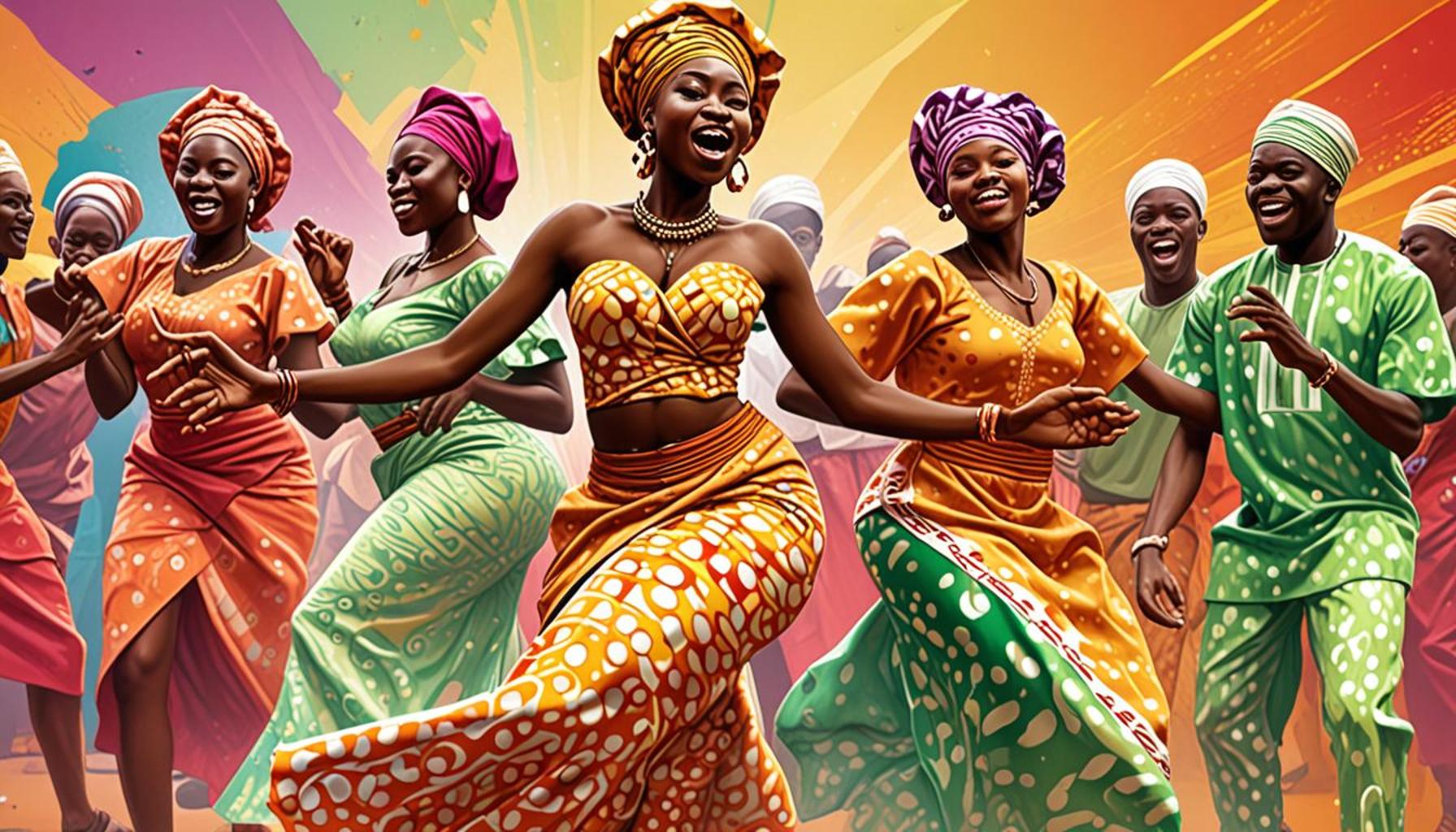
A pivotal aspect of Nigerian cultural celebrations is how music and dance foster a sense of cultural identity and community belonging. From vibrant festivals to intimate family gatherings, the rhythm and movement act as a conduit for unity among participants and spectators alike. When communities gather to celebrate, music and dance transform the environment into a space of collective expression, which can be particularly seen in traditional weddings and festivals.
Particularly noteworthy is the Eyo festival in Lagos, celebrated in honor of the deceased, where participants don elaborate costumes resembling spiritual beings. The accompanying music—rich with the sounds of traditional drums—guides the fluid movements of the dancers, evoking homage to ancestral spirits while reinforcing the cultural tapestry of the Yoruba people. This interplay between music and dance not only entertains but also strengthens community ties through collective participation and shared experience.
Moreover, the fusion of music and dance is integral to the development of cultural identity among Nigeria’s younger generations. In urban centers, traditional dance styles often undergo a transformation, blending with contemporary music genres such as Afrobeats and Hip-hop. This amalgamation reflects a cultural evolution that respects traditional roots while embracing modern influences. The Azonto dance, for example, is a prime illustration of how contemporary rhythms inspire new dance forms, empowering youth to engage with their heritage in innovative ways. These new expressions retain the core values of storytelling and community engagement while appealing to a broader audience.
Additionally, the participation of female dancers in cultural celebrations often tells a compelling story of empowerment and representation. In many Nigerian societies, traditional dance is seen as an avenue for women to exhibit their skills and express their individuality. The Masquerade dance, often performed by women, showcases not only grace and strength but also acts as a commentary on women’s roles within the community. By taking center stage during these performances, women assert their place within the cultural narrative, fundamentally shaping how music and dance influence societal perspectives.
Community-centric music and dance practices also play a vital role in the transmission of cultural knowledge across generations. Elder members often use song and dance to pass down lessons about history, folklore, and ethics. For instance, the Gerewu dance performed during the Eid celebrations among the Hausa-Fulani serves as a medium of both celebration and education, where younger participants learn the community’s values and beliefs while enjoying the festivities. The enriching practice fosters continuity and brings a sense of purpose as participants realize their role in preserving cultural heritage.
As we explore these cultural dimensions, it becomes increasingly apparent that the relationship between music and dance is dynamically intertwined with the fabric of Nigerian society. From the significance of community gatherings to the role of youth in shaping contemporary expressions, the ongoing evolution of these age-old traditions offers an enriching lens through which to view Nigeria’s vibrant cultural landscape. Each celebration is not merely an event, but a living narrative in which music and dance together tell stories of resilience, identity, and unity amidst diversity.
LEARN MORE: This related article may interest you
Celebrating Heritage Through Rhythm and Motion
In summary, the intersection of music and dance in Nigerian cultural celebrations is a powerful testament to the country’s rich heritage and communal spirit. Through the dynamic expressions of music and dance, Nigerians not only celebrate significant life events but also reinforce their cultural identity in an evolving society. Festivals such as the Eyo festival and performances like the Masquerade dance illuminate how rhythm and movement serve as vital narratives, bridging generations and instilling a profound sense of belonging.
The blending of traditional elements with contemporary styles, as seen in the emergence of dance forms like Azonto, highlights the adaptability and resilience of these cultural practices. This fusion encourages the youth to engage with their ancestry while embracing modern influences, fostering a continued appreciation of Nigeria’s diverse cultural tapestry. Furthermore, the role of gender in these performances underscores the importance of representation and empowerment within the community, as women take center stage through dance, contributing to the social narrative.
As we reflect on the monumental role that music and dance play in cultural celebrations, it becomes clear that these artistic expressions offer not only entertainment but also serve as vital tools for education, community building, and the preservation of cultural heritage. The ongoing evolution of these traditions invites broader engagement from both local communities and the global audience, urging everyone to explore Nigeria’s vibrant and multifaceted cultural landscape. Ultimately, the synthesis of music and dance in Nigerian celebrations embodies a profound storyline—one of resilience, unity, and a relentless celebration of cultural pride.