The Minimalist Approach: Simplifying Your Cleaning and Organizing Process

Embrace a Simpler Life
In a world filled with distractions and excess, embracing minimalism can dramatically transform your cleaning and organizing routine. An effective minimalist approach not only declutters your space but also simplifies your mind. By focusing on what truly matters, you can create an environment that fosters peace and productivity.
Key Benefits of Minimalism
- Reduced Stress: Fewer items in your space can lead to reduced decision fatigue. Living with less allows for a clearer mind, reducing anxiety and stress associated with overwhelming surroundings. Studies suggest that clutter can negatively affect mental health by creating feelings of chaos and disarray.
- Increased Efficiency: A streamlined process saves time during cleaning and organizing. For example, with fewer items to manage, you can implement faster routines, like a 10-minute daily tidying session, instead of devoting hours to intricate cleaning. This efficiency means you can spend more time on enjoyable activities.
- Enhances Focus: A clear environment promotes concentration and creativity. When distractions are removed, it is easier to focus on work or even on hobbies. Many individuals have found that minimalism in their workspace leads to greater productivity—some report a 20-30% increase in task completion rates.
As you consider adopting minimalist principles, it’s essential to analyze your current habits. The first step is to identify the clutter in your life, not only in your physical space but also in your cleaning products and methods. Ask yourself:
- What items do I really need? Focus on utility and sentiment to determine what to keep. Does that sweater bring you joy, or has it simply taken residence in your closet for years?
- How can I simplify my cleaning supplies? Consolidate products; for instance, consider using a multi-surface cleaner instead of different products for each surface, thus minimizing your cleaning arsenal.
- Which organizational strategies align with a minimalist lifestyle? Explore ideas such as the ‘one in, one out’ rule—when you bring something new into your home, make it a point to donate or discard an existing item.
This exploration into minimalism offers a pathway towards simplifying your cleaning and organizing process. By prioritizing quality over quantity, you will discover innovative ways to maintain a clean, harmonious living space. For example, selecting multifunctional items, such as a coffee table with storage capabilities, can help reduce clutter while serving multiple purposes. Establishing efficient routines is also crucial; dedicating specific days or times of the week for cleaning tasks can create a sustainable habit.
Ultimately, the minimalist approach invites you to reflect on your belongings and redefine your environment. It encourages not just a physical decluttering but a shift in mindset, paving the way for a life filled with intention and mindfulness. Are you ready to start your minimalist journey and transform your living space into a sanctuary of calm and focus?
DISCOVER MORE: Click here to learn the truth about sanitization
Streamlining Your Cleaning Routine
To truly embrace minimalism in your cleaning process, it’s crucial to adopt specific strategies that will help you simpler methods. By making conscious choices about what items to keep and how to organize them, you can foster a sense of clarity and tranquility in your living space. This phase not only enhances your home’s aesthetic but also enriches your overall well-being.
Decluttering Made Simple
The first step in your minimalist journey is tackling the clutter that accumulates over time. Begin by categorizing your belongings and evaluating each item with a critical eye. Ask yourself questions like:
- Do I use it? If an item hasn’t found its way into your daily life for several months, it may be time to consider whether it truly needs a spot in your home.
- Does it hold sentimental value? While they can be meaningful, sometimes items accumulate emotional baggage. Limit sentimental items to a designated space to prevent overwhelm.
- Will I miss it? If the thought of parting with something doesn’t evoke a strong emotion, letting it go could free you from unnecessary clutter.
Many individuals find success by implementing the 30-Day Minimalism Game, which challenges participants to eliminate a certain number of items daily for 30 days. This practical approach not only quantifies the decluttering process but also fosters an engaging method for persistence and progress.
Simplifying Cleaning Supplies
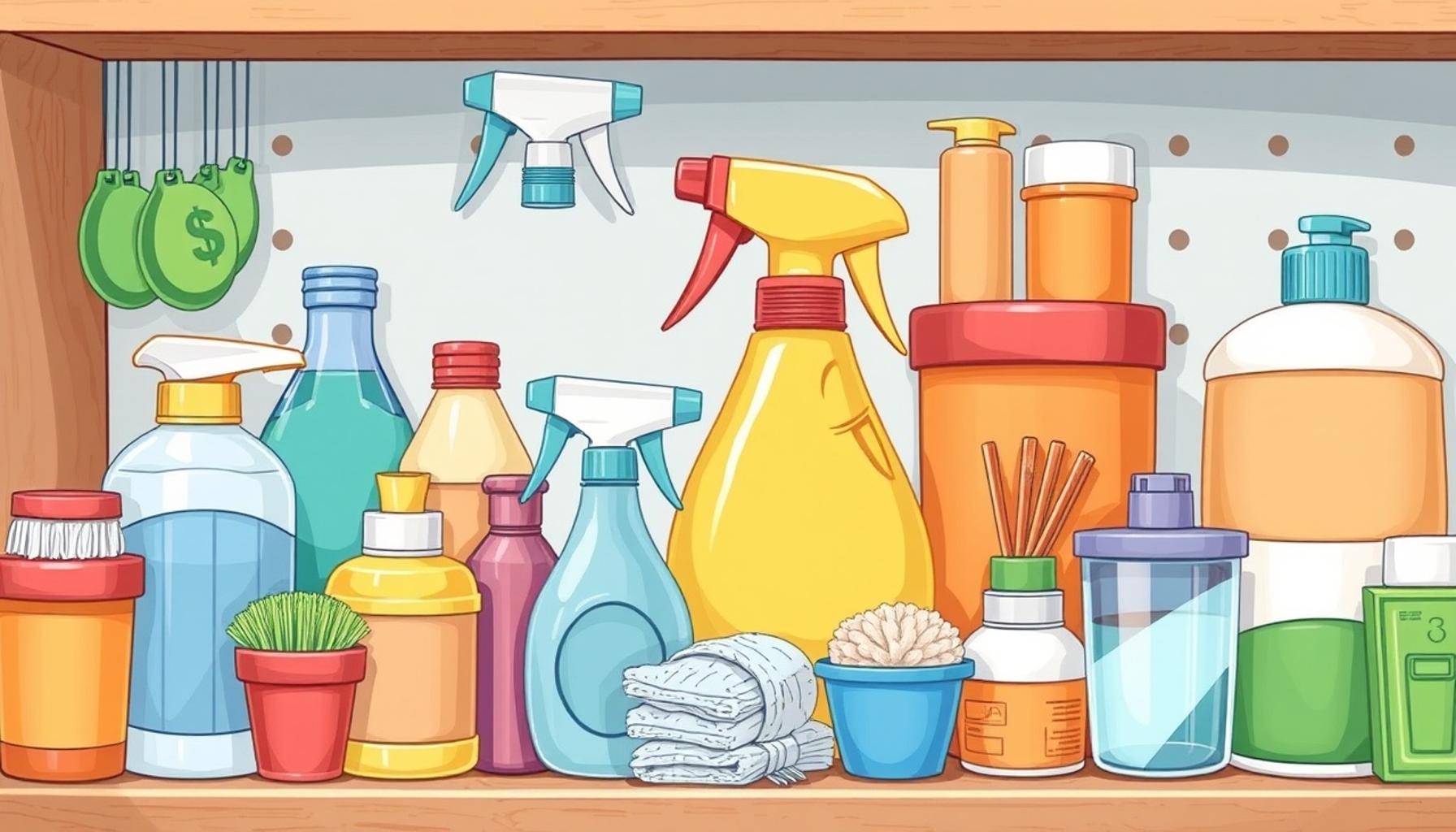
An often-overlooked aspect of the minimalist approach is streamlining your cleaning products. Instead of a cabinet full of various items designed for each specific task, consider consolidating to a few key, multipurpose products. For instance, a simple all-purpose cleaner can tackle surfaces from your kitchen counters to bathroom fixtures, reducing both clutter and cost.
Additionally, utilizing natural cleaning solutions—such as vinegar, baking soda, and essential oils—effectively decreases chemical exposure while offering a minimal selection of environmentally friendly products. Save space while making sustainable choices that benefit both your home and the planet.
Organizational Strategies for Minimalism
To maintain a minimalist lifestyle, adopting effective organizational strategies is essential. Here are some methods to consider:
- The One-In, One-Out Rule: Every time you bring a new item into your home, commit to removing an existing one. This rule helps maintain boundaries on the items you accumulate.
- Use Clear Storage Solutions: Transparent bins and containers help you visualize what you have while minimizing the urge to buy more unnecessary items.
- Designate Specific Spaces: By assigning specific places for categories or functions, you will reduce the likelihood of items lingering in random locations in your home.
Implementing these minimalist organizational strategies can create a sense of order, and when combined with a regular cleaning routine, they encourage a system that is easy to maintain. You can spend more time enjoying your living space and less time managing it.
In conclusion, the minimalist approach to cleaning and organizing offers a refreshing wave of simplicity in our often chaotic lives. It allows you to carve out a serene environment where productivity thrives and stress fades away. As you begin to adopt these strategies, the transition towards a cleaner, more organized life becomes both attainable and gratifying.
| Advantages | Details |
|---|---|
| Clutter Reduction | Minimizing possessions decreases distractions, making environments calm and productive. |
| Time Efficiency | Simplified cleaning routines reduce time spent on chores, allowing more focus on priorities. |
| Cost Savings | Fewer items require less maintenance and procurement, leading to financial benefits. |
| Mindfulness | Embracing a minimalist lifestyle encourages presence and appreciation for the essentials. |
Engaging in the minimalist approach not only streamlines your cleaning tasks but also fosters a new mindset about your possessions. This method highlights the importance of quality over quantity, encouraging individuals to carefully evaluate each item in their living spaces. By adopting this perspective, the clutter that often overwhelms our homes transforms into an organized sanctuary, ultimately leading to a significant reduction in both mental and emotional stress.Moreover, time savings are significant when routines are simplified. You learn to prioritize tasks that truly matter, enabling you to tackle what’s important instead of being sidetracked by non-essential chores. This transition towards a minimalist ethos amplifies productivity, allowing more time for creative endeavors or relaxation.In addition, the minimalistic lifestyle promotes mindful decisions regarding consumption and spending, which subsequently leads to greater financial freedom. As you become more aware of what you genuinely need, unnecessary purchases will dwindle, resulting in a more sustainable and fulfilling way of living. Engage in this rewarding journey towards a simpler and more organized life, and discover the profound impacts it can have on your daily routine.
LEARN MORE: Click here for the truth about sanitization
Creating a Minimalist Mindset
Embracing minimalism involves more than just decluttering and organizing your space; it also requires a shift in mindset. By cultivating a minimalist mentality, you can anchor your cleaning and organizing process in intention and purpose. This journey towards simplification can illuminate pathways to deeper satisfaction and mindfulness in your daily life.
Mindful Consumption
One of the cornerstones of minimalism is mindful consumption. Before making any purchase, pause to assess its necessity. This approach encourages individuals to buy only what adds genuine value to their lives. Research indicates that over 60% of Americans consider themselves to be cluttered, and a large part of this stems from impulsive buying habits. To counteract this, implement techniques like the 24-Hour Rule—wait a day before purchasing an item to evaluate its true importance.
Adopting a “less is more” mantra can transform the way you shop. Rather than filling your cart with items on sale or trendy novelties, prioritize durability and usefulness when selecting new possessions. This mindset resists the temptation of consumer culture while affording you the freedom to enjoy your current belongings more fully.
The Power of Routines
Establishing effective routines can significantly streamline your cleaning and organizing process. Rather than viewing cleaning as a burdensome chore, integrate it into your daily habits. The “10-Minute Tidy” concept encourages setting aside ten minutes each day to tackle small areas, whether it’s decluttering a countertop or straightening up a single room. This practice not only keeps mess at bay but also reinforces the minimalist principle of maintaining a clear and serene environment.
Additionally, consider developing a weekly cleaning schedule that assigns specific tasks to different days. For instance, designate Mondays for dusting, Wednesdays for vacuuming, and Saturdays for tackling laundry. This systematization allows you to break down cleaning into manageable portions, reducing the overall time and effort required while fostering a sense of accomplishment.
Creating Tranquility Through Aesthetics
The physical aspects of your environment play a substantial role in mental clarity. A well-organized, simplified space promotes a sense of calmness and productivity. Focus on creating aesthetic harmony by incorporating neutral colors and natural materials that evoke tranquility. Studies suggest that the visual appeal of a space can directly impact mood and mental health. Therefore, creating a minimalist aesthetic enriches not only the appeal of your home but can also enhance your overall well-being.
When selecting décor, strive for fewer pieces but choose items with intention and meaning. For instance, a single piece of art that resonates with you can make a more substantial impact than an assortment of random knick-knacks. This focus on intentional design culminates in a space that feels not only tidy but genuinely personal and invigorating.
Incorporating the Digital Realm
Minimalism can transcend physical spaces and extend into the digital realm. Just as clutter accumulates in our homes, our devices often become cluttered with thousands of files, photos, and apps. Allocate time to declutter your digital life by deleting unnecessary files and organizing your folders. Tools such as cloud storage can help streamline access while preventing physical clutter tied to paper documents.
Moreover, consider adopting digital organization systems that prioritize simplicity, such as minimalist task managers or calendar apps. These platforms can facilitate your planning and scheduling efforts without overwhelming you with options, complementing your efforts to live a more minimal lifestyle.
By fostering a minimalist mindset through mindful consumption, structured routines, aesthetic choices, and digital organization, you pave the way for a more streamlined cleaning and organizing process that resonates deeply with your values and aspirations.
DIVE DEEPER: Click here to discover the latest in cleaning technology
Conclusion
In a world increasingly defined by excess and distraction, embracing a minimalist approach can be a transformative experience, particularly when it comes to cleaning and organizing. By adopting a mindful consumption strategy, you not only reduce clutter but also cultivate a greater appreciation for the items you choose to keep. This thoughtful approach reshapes your home into a sanctuary of simplicity and tranquility, ultimately enhancing your mental well-being.
Moreover, the integration of structured routines into your daily life allows cleaning to become less of a dreaded task and more of a natural part of your lifestyle. The “10-Minute Tidy” system and weekly schedules provide sensible strategies to maintain a clutter-free environment without overwhelming effort. These practices reinforce the minimalist philosophy, thus inviting a sense of calm and accomplishment into your daily routine.
In addition, minimalism extends beyond physical spaces and can permeate our digital lives. By organizing your digital existence alongside your physical environment, you create a cohesive sense of order that bolsters productivity and focus. As consumers, a commitment to intentional living leads us to embrace what truly matters, rediscovering joy in both our possessions and our time.
Ultimately, the minimalist approach is about more than decluttering; it’s about redefining how we interact with our spaces, our belongings, and ourselves. By exploring the principles of minimalism, you will uncover a lifestyle that is not just simpler, but richer, allowing you to focus on what genuinely brings value and joy to your life. This journey toward simplicity promises a more satisfying and meaningful way of living.

Linda Carter
Linda Carter is a writer specializing in efficient house cleaning and maintenance. With extensive experience helping readers keep their homes clean, organized, and well cared for, Linda shares practical guidance on cleaning routines, household upkeep, stain removal, and time-saving methods. Her goal is to provide simple tips and effective strategies that make home care easier, faster, and more manageable.