
Establishing a Family Cleaning Calendar: Engaging Everyone in Home Maintenance
The Building Blocks of a Family Cleaning Calendar
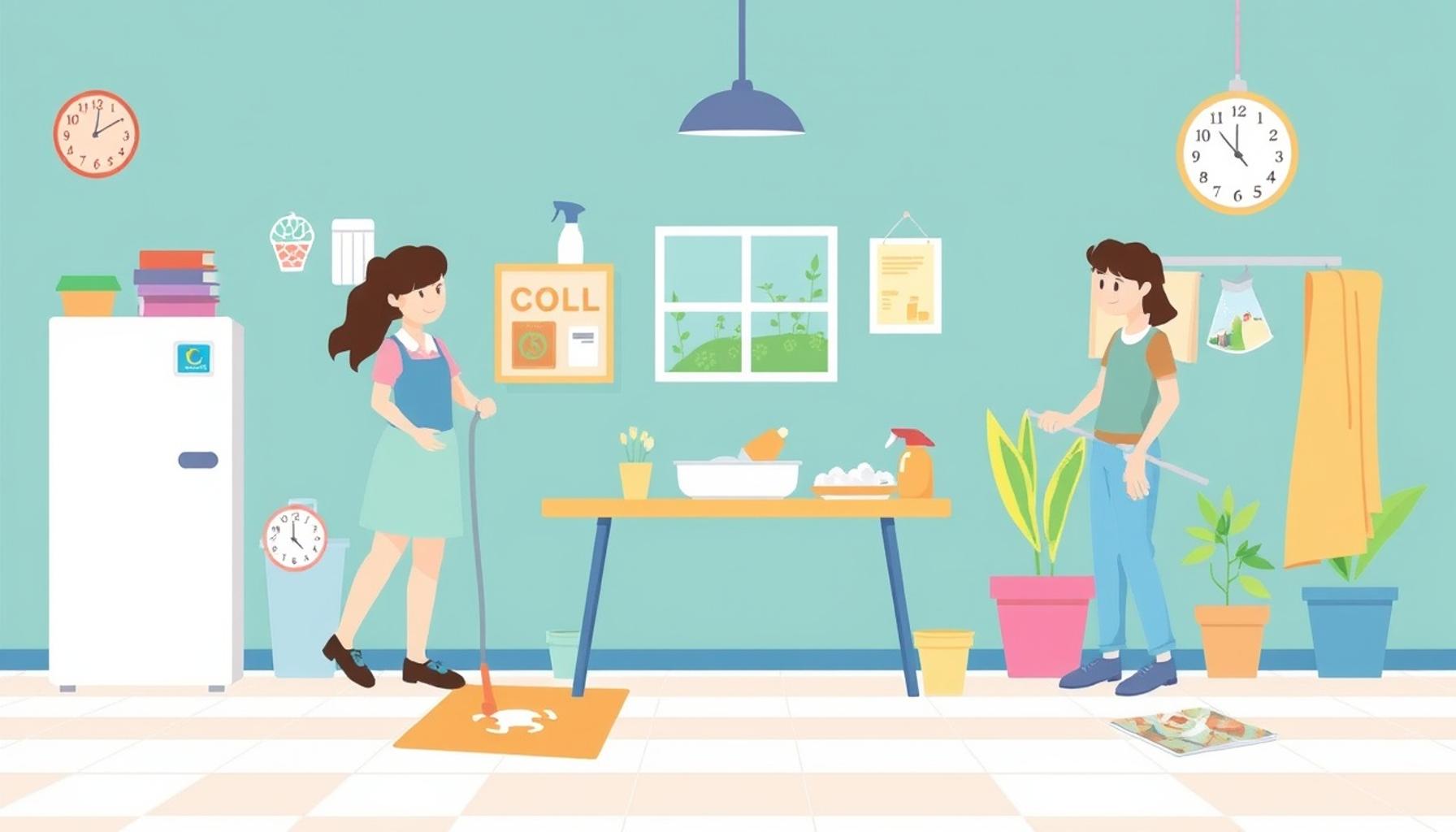
Establishing a family cleaning calendar can radically change the dynamic of household chores, allowing for a more organized and harmonious living space. The idea resonates with families across the United States, where chaotic schedules often lead to overlooked cleaning tasks. By integrating a collective effort toward home maintenance, families can strengthen their bonds while promoting responsibility.
Engaging every member of the household is crucial. For instance, young children can be assigned age-appropriate tasks like picking up toys or dusting low surfaces while teenagers may be entrusted with more substantial chores like vacuuming, doing laundry, or even washing the dishes. This inclusivity cultivates a sense of ownership—everyone knows their contributions matter. In many families, the completion of these chores can also pave the way for rewarding experiences, such as family outings or movie nights, reinforcing positive behavior.
Instilling Accountability and Reducing Stress
Accountability is another essential element of an effective cleaning schedule. By clearly delineating responsibilities, family members are less likely to overlook tasks. A robust cleaning calendar allows everyone to track what has been completed and what still needs attention. For example, you might create a color-coded system where each family member has a designated color for their tasks, making it visually easy to see who is responsible for what and when it is due.
This systematic approach also reduces the anxiety associated with sudden cleaning sprees. Rather than tackling a colossal cleaning job in one weekend, spreading responsibilities throughout the week fosters a more manageable and less stressful environment. Parents can often find that enforcing a routine also helps children develop important skills, such as time management and responsibility—vital aspects that extend beyond just cleaning the house.
Creating a Customizable Schedule
A significant advantage of a family cleaning calendar is its flexibility. It can be adapted to fit the unique schedules of each household member, whether they’re managing school, work, or extracurricular activities. Families can opt for digital calendars, like Google Calendar, which send reminders and can easily be updated. Alternatively, a traditional paper calendar placed in a common area can serve as a constant visual reminder. The options can be plentiful—some families even turn to bulletin boards where they pin notes or use magnets on a whiteboard to mark tasks off as they are completed.
Enjoying the Process
Incorporating elements of fun can also boost motivation. Families might create a points system, where completing tasks earns members points that accumulate for a collective family reward, such as a night out or a special treat. By making cleaning less of a chore and more of a family activity, members may engage with their responsibilities more positively. This can transform mundane tasks into enjoyable experiences, ensuring that cleaning becomes part of the family culture rather than a dreaded obligation.
As we explore the steps to establish an effective family cleaning calendar, keep in mind the potential benefits it holds for creating a cleaner home while also nurturing family connections. Embracing shared responsibilities can not only lead to a tidier environment but also foster a sense of community and teamwork that enriches family life.
LEARN MORE: Click here to discover the impact of cleaning tool materials
Understanding Family Roles and Responsibilities
When it comes to establishing a family cleaning calendar, understanding each member’s roles and responsibilities plays a vital role in fostering engagement and competence. Clear communication about who does what is essential, as it sets expectations and encourages participation from everyone in the household.
Begin by considering the ages and abilities of all family members. Conduct a family meeting where you can discuss and assign chores based on individual strengths and availability. Families may find it helpful to categorize tasks into three main groups:
- Daily Tasks: These include routine activities such as making beds, doing dishes, and quick clean-ups. Even young children can help in these daily rituals, making it a part of their everyday routine.
- Weekly Tasks: More intensive jobs, like vacuuming, dusting, or cleaning bathrooms, can be evenly spread out over the week. This not only prevents overwhelming workloads but also helps instill the value of consistent maintenance.
- Monthly or Seasonal Tasks: These can include deep cleaning, yard maintenance, and organizing spaces. Assigning these tasks on a rotating basis can allow family members to take turns tackling larger projects.
By arranging tasks this way, you encourage a sense of teamwork among family members, as each person contributes to maintaining the home. The sense of accomplishment that comes from completing these chores reinforces positive attitudes toward responsibility.
Visual Tools for Tracking Progress
A practical way to maintain transparency and motivation in the family cleaning calendar is through visual tools. Utilizing a wall calendar or digital apps can serve as constant reminders of responsibilities. Consider creating a chore chart that can be easily updated, allowing everyone to see who is accountable for which tasks at any given time.
Some families might even implement a reward system that visually tracks progress. For instance, a simple star chart can encourage children to complete their chores by earning stars for every task accomplished. Accumulation of these stars could eventually lead to small rewards, such as extra screen time or a favorite dessert. These visual cues not only elevate excitement about cleaning but also promote a familial spirit of achievement.
The Role of Consistency in Engagement
Maintaining a consistent cleaning schedule is key to achieving long-term success with a family cleaning calendar. Setting specific days for particular tasks imbues a sense of routine and structure, helping family members to better assimilate these chores into their lives. It might be beneficial to designate Sundays as “clean-up days” to prepare for the week ahead, or mid-week check-ins on specific chores like laundry on Wednesdays.
Additionally, integrating open discussions about the cleaning calendar during family meetings provides an opportunity for feedback and adjustments. Families can discuss what is working, what isn’t, and how tasks might be better divided as schedules change. This ongoing dialogue ensures that everyone feels heard and encouraged to remain engaged in home maintenance.
As you forge ahead with establishing an effective family cleaning calendar, think critically about these essential elements. Engagement and transparency will be the cornerstone of a clean, organized home that every family member can efficiently maintain together.
Understanding the Importance of a Family Cleaning Calendar
Establishing a family cleaning calendar serves as a vital blueprint for home maintenance, ensuring that every member of the household is engaged and responsible for maintaining cleanliness. By implementing a structured schedule, families can experience enhanced efficiency in their cleaning routines. This approach simplifies the distribution of tasks, thus avoiding the stress of last-minute cleaning frenzies. Families can designate specific days for particular chores, allowing for proper planning around busy schedules. Additionally, the use of colorful charts or digital reminders can create a visually appealing and interactive way to allocate tasks, making it easier for everyone to remember their responsibilities. For instance, involving children in this process not only teaches them valuable life skills but also instills a sense of pride in contributing to the household.Moreover, a well-organized cleaning calendar can significantly improve household communication. Regular meetings to review the cleaning calendar foster open discussions about responsibilities, encouraging collaboration and teamwork among family members. This ultimately transforms the cleaning process from a mundane chore into an engaging and inclusive experience. Not only does this approach lighten individual workload, but it also strengthens family bonds.Incorporating incentives can amplify motivation. Consider setting up a reward system that recognizes completed tasks or a family fun day after a month of diligent cleaning. This can add a layer of excitement and appreciation for team effort. By intertwining responsibility with fun, families can look forward to maintaining a clean and organized environment.Overall, the implementation of a family cleaning calendar is much more than simply assigning chores; it involves creating a harmonious living space that everyone contributes to and values. As we delve further into specific strategies and tools to establish this calendar, families will find themselves better equipped to maintain their home in a timely and enjoyable manner.
| Category | Advantages |
|---|---|
| Organization | Improves workload distribution and reduces last-minute cleaning. |
| Engagement | Encourages participation, especially from children, fostering teamwork. |
| Communication | Facilitates open discussions about responsibilities among family members. |
| Motivation | Creates incentives and rewards for completing tasks, enhancing enthusiasm. |
DIVE DEEPER: Click here to discover the evolution of cleaning tools
Enhancing Team Spirit Through Group Cleaning Events
Along with establishing individual roles and maintaining a consistent cleaning schedule, organizing group cleaning events can significantly bolster family engagement in home maintenance. These events transform routine chores into fun, shared experiences that foster bonding while promoting responsibility. By creating a lively atmosphere during these cleaning days, families can turn mundane tasks into enjoyable activities.
For instance, a monthly cleaning party can serve as an opportunity for everyone in the family to tackle larger tasks together, such as tackling clutter in shared spaces or organizing the garage. Incorporating music, setting a timer, or even creating friendly competitions can help keep energy levels high and make the work feel lighter. By reframing the perception of cleaning from a chore to a group effort that yields visible results, families are likely to nurture a positive attitude towards home maintenance.
Special Themes and Celebrations
To further add an element of excitement, families can implement themed cleaning days. Such themes may vary from “Spring Cleaning Spectacular” to “Back-to-School Clean-Up.” Utilizing seasonal or holiday inspirations can motivate everyone to engage, encouraging each family member to contribute ideas that reflect their preferences. Family members might create themed decorations or even dress in coordinating outfits to elevate the spirit. These unique occasions can create lasting memories, making it easier for everyone to participate willingly in the cleaning calendar.
- Spring Cleaning Spectacular: Refresh and rejuvenate living spaces by deep-cleaning and decluttering to welcome the new season.
- Halloween Haunt Cleanup: Prepare for the spooky season by organizing and decorating the house to add a festive touch.
- Holiday Prep Day: Create a clean and organized home ahead of family gatherings and celebrations, ensuring a welcoming environment.
Such well-planned and themed events can also encourage input from individual family members, turning planning into yet another opportunity for teamwork and collaboration. Everyone having a say can result in a variety of fun and engaging cleaning strategies, reinforcing commitment to a clean home.
Incorporating Learning Opportunities
Using the family cleaning calendar as a chance for educational development can significantly enhance engagement. Many life skills are gained while cleaning, from time management and organizational skills to teamwork and communication. When parents take the time to explain the “why” behind cleaning tasks, children gain a greater appreciation for responsibility and pride in their contributions.
Additionally, consider integrating educational components during cleaning sessions. For example, while dusting bookshelves, family members can take turns sharing fun facts about the books they are handling. During yard work, an exploration of local flora can turn the task into a mini-biology lesson. Such integration transforms housekeeping moments into enriching experiences, elevating the educational competence and the morale of the household.
By adopting these strategies and focusing on enhancing engagement through family cleaning calendars, every household member can feel included and valued, reinforcing in them the importance of maintaining a clean and organized living space. Each successful cleaning task not only contributes to a tidy home but also to a supportive family environment.
DISCOVER MORE: Click here for essential maintenance tips
Conclusion: Embracing a Shared Responsibility
Establishing a family cleaning calendar is more than just organizing chores; it’s about cultivating a culture of teamwork, responsibility, and shared pride in maintaining a home. By involving each family member in a meaningful way—whether through individual roles, themed cleaning events, or educational opportunities—you ensure that everyone feels a sense of ownership and accountability for their living environment. These approaches not only transform cleaning from an obligatory task into a family bonding experience, but they also allow for valuable life lessons in collaboration and organization.
As families implement their cleaning calendars, they create enjoyable routines that keep their homes tidy and foster lasting memories. Whether it’s dancing to music during a cleanup or learning about local ecosystems while gardening, the integration of fun and education into these activities reinforces the importance of maintaining a clean and organized home. By engaging every family member, from the youngest to the oldest, in these responsibilities, you shape a supportive environment that values contribution and teamwork.
In conclusion, a well-structured family cleaning calendar not only streamlines home maintenance but also creates an enriching platform for deeper connections within the family. As families embark on this journey, they can look forward to a cleaner home, a stronger bond, and a shared sense of accomplishment. By investing in a cooperative spirit, every household can enjoy the lasting benefits of combined effort and newfound joy in home maintenance.

Linda Carter
Linda Carter is a writer specializing in efficient house cleaning and maintenance. With extensive experience helping readers keep their homes clean, organized, and well cared for, Linda shares practical guidance on cleaning routines, household upkeep, stain removal, and time-saving methods. Her goal is to provide simple tips and effective strategies that make home care easier, faster, and more manageable.